
Here’s a number that surprised me the first time I ran it: three visits to Zion, Grand Teton, and Arches in the same year would cost a family $105 in entrance fees alone, yet the pass that covers all three, plus over 2,000 other federal sites, still costs $80. That gap is exactly why national park pass savings tips matter more in 2026 than in any year since the program started, because the National Park Service just rolled out its biggest fee overhaul in decades. If you’re planning even two or three park stops this year, the choices you make about which pass to buy and when to buy it will decide whether you save real money or quietly overpay.
TL;DR
- The America the Beautiful Annual Pass still costs $80 for U.S. residents in 2026, but nonresidents now pay $250, so check your residency status before you buy.
- You break even after about two to three visits to fee-charging parks like Yosemite, Zion, or Grand Canyon.
- There are 10 fee-free days in 2026, but for the first time they only apply to U.S. citizens and residents.
- Seniors get the best deal in the whole program: a lifetime pass for $80 or an annual one for just $20.
| Key Takeaway | What It Means For You |
|---|---|
| Annual Pass price (US residents) | $80, unchanged for 2026 |
| Annual Pass price (nonresidents) | $250, new as of January 1, 2026 |
| Break even point | 2 to 3 fee-charging park visits |
| Senior Annual Pass | $20 (lifetime version $80) |
| Fee-free days in 2026 | 10 days, US citizens and residents only |
| Military, 4th grade, Access, Volunteer passes | Free |
Is the America the Beautiful Pass Worth It in 2026?
Short answer: for most travelers doing more than one park stop, yes. The America the Beautiful pass worth it question comes down to simple math rather than opinion. Most fee-charging parks charge somewhere between $30 and $35 per vehicle, so two visits already get you close to the $80 pass price, and a third visit puts you ahead.

I’ve bought this pass every year since 2018, and the year I got the most value out of it was a Utah loop through Zion, Bryce Canyon, Capitol Reef, and Arches. Three of those four parks charge a vehicle fee, and just those three visits would have cost $105. The pass paid for itself before we even left Utah.
There’s also a math shortcut worth knowing. If you’re entering somewhere that charges per person instead of per vehicle, like Yosemite at $20 per person, a group of four adults breaks even on a single visit. That’s a detail plenty of general “is it worth it” articles skip, and it changes the calculation for hikers or public transit travelers who don’t drive in.
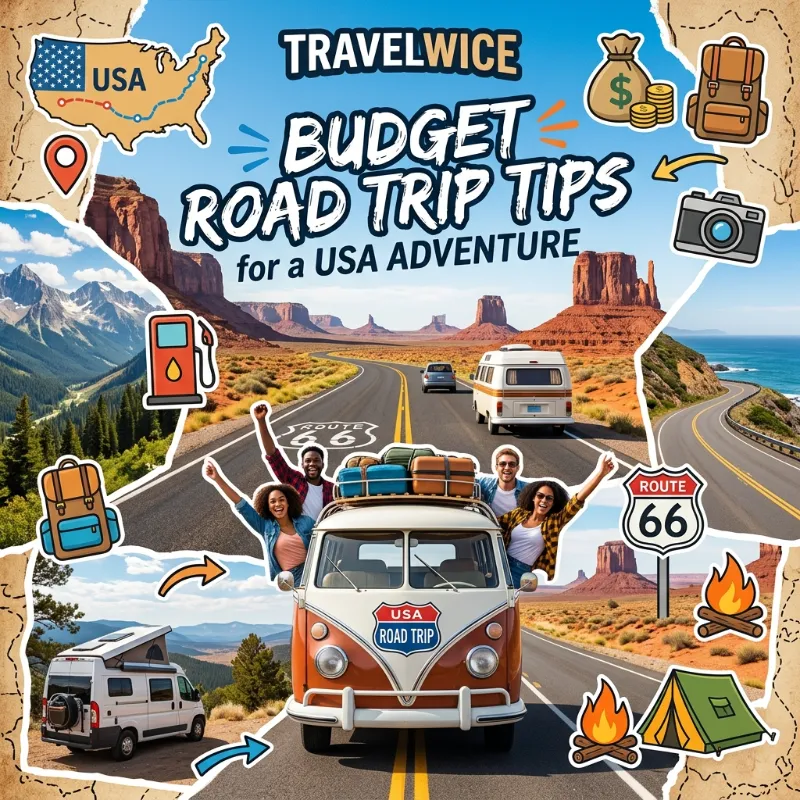
Budget Road Trip Tips for a USA Adventure
If your trip only touches parks that never charge an entrance fee, such as Great Smoky Mountains or Congaree, the math flips and you don’t need the pass at all. For those cases, our guide to free things to do across the USA is a better starting point than paying for a pass you won’t use.
National Park Annual Pass Price in 2026: What Actually Changed
The national park annual pass price stayed flat for U.S. residents this year, but the surrounding fee structure did not. Starting January 1, 2026, the Department of the Interior introduced a resident focused pricing model, and it’s worth understanding before you plan a trip.
| Pass Type | 2026 Price | Who Qualifies |
|---|---|---|
| Annual Pass (US resident) | $80 | Anyone, valid 12 months from purchase month |
| Annual Pass (nonresident) | $250 | Non-US citizens or residents, new for 2026 |
| Senior Annual Pass | $20 | US citizens/residents 62 and older |
| Senior Lifetime Pass | $80 | US citizens/residents 62 and older |
| Military Pass | Free | Active duty military and dependents |
| 4th Grade Pass | Free | US 4th graders, valid Sept through August |
| Access Pass | Free, lifetime | US citizens/residents with permanent disabilities |
| Volunteer Pass | Free | 250 service hours with a federal land agency |
The nonresident change matters more than it looks on paper. Beyond the $250 annual pass, 11 of the most visited parks now charge international visitors an extra $100 per person on top of the standard entrance fee, unless they’re already holding that nonresident annual pass. If you’re a UK or European reader planning a US park trip, this is the single biggest 2026 change to budget around, and it’s a detail a lot of older blog posts haven’t caught up on yet.
Every pass is also going digital for the first time. According to the Department of the Interior’s own announcement, Annual, Military, Senior, 4th Grade, and Access passes are now available through Recreation.gov in digital form, which means you can buy one from your phone at the trailhead instead of waiting on mail delivery. Physical passes still exist and now cover two motorcycles instead of one.
National Park Pass Savings Tips That Actually Work
These are the habits that separate people who genuinely save money from people who just bought a pass and hoped for the best. I’ve tested all of these on our own trips, not just read about them.
- Buy at your first fee-charging stop, not before your trip. A pass is valid through the last day of the month, one year later, so buying it in early April instead of March gets you an extra few weeks of coverage for free.
- Split it with a travel partner. The pass has two signature lines. You and a friend, sibling, or neighbor can each pay $40, sign your own line, and each take a separate carload to different parks all year. This is one of the most underused national park pass savings tips out there, and it’s completely legitimate under NPS rules as long as each signer is present with the pass.
- Match the pass to your travel style. If you’re flying in and using shuttles or hiking between entrances, a per-person fee site like Yosemite makes the pass pay off in a single visit for a group of four.
- Check whether you already qualify for a free version. Active military, recent 4th graders, and volunteers often buy the $80 pass without realizing they’re eligible for one at no cost.
- Stack it with a road trip route that hits paid parks back to back. Our budget road trip planning guide walks through how to sequence parks so the pass earns its keep in the first week.
For a deeper dive into the exact math for different visitor types, Park Chasers’ guide to national park passes is a solid companion resource, and it’s one I still reference when a reader asks about lesser known passes like the Volunteer Pass.
Free National Park Entry Days in 2026: The Dates and the New Rules
Free national park entry days are the easiest way to save money without buying anything at all, but 2026 brought the biggest change to this program in years. There are still 10 fee-free days, yet for the first time they apply only to U.S. citizens and residents.
| 2026 Fee-Free Date | Occasion |
|---|---|
| February 16 | Presidents Day |
| May 25 | Memorial Day |
| June 14 | Flag Day |
| July 3 to 5 | Independence Day weekend |
| August 25 | NPS 110th birthday |
| September 17 | Constitution Day |
| October 27 | Theodore Roosevelt’s birthday |
| November 11 | Veterans Day |
Two long standing free days, Martin Luther King Jr. Day and Juneteenth, were removed from the 2026 calendar, while Flag Day and a full Independence Day weekend were added. Nonresidents visiting on these dates still pay the standard entrance fee plus any applicable nonresident surcharge, so this particular saving no longer applies universally the way it used to.
Off Season Travel Savings Tips for the USA: A Practical 2026 Guide
One thing that trips people up: fee-free only waives the entrance fee itself. Parking reservations, timed-entry permits, and camping fees at places like Zion or Rocky Mountain still apply on free days, so check NPS.gov’s official passes page before you build a trip entirely around one of these dates.
National Park Pass for Seniors: The Best Deal in the Program
If you’re 62 or older, the national park pass for seniors is quietly the best value the federal government offers travelers. For $20 a year, or $80 once for a lifetime version, you get everything the standard $80 annual pass covers, plus a 50 percent discount on amenity fees like camping, boat launches, and some interpretive tours.
Group Travel Discount Tips for USA Vacations
I recommend the lifetime option to almost every senior traveler I talk to, because four years of the annual $20 pass already costs the same $80, and the lifetime version never expires or needs renewing. It does require proof of age and US citizenship or permanent residency, so bring an ID and be ready for a short processing wait if applying by mail.
Comparison: Which National Park Pass Actually Fits You
| Traveler Type | Best Pass | Annual Cost | Why It Fits |
|---|---|---|---|
| Family visiting 2+ paid parks | Standard Annual Pass | $80 | Covers a full vehicle, breaks even fast |
| Traveler 62 or older | Senior Lifetime Pass | $80 one time | Never expires, plus amenity discounts |
| Active military or dependent | Military Pass | Free | No cost, same benefits as standard pass |
| Household with a 4th grader | 4th Grade Pass | Free | Covers the whole family for that school year |
| Non-US resident visiting popular parks | Nonresident Annual Pass | $250 | Avoids the $100 per person surcharge at 11 major parks |
| Occasional visitor, 1 trip a year | No pass, pay per park | Varies | Cheaper unless the park charges per person for a group |
A Real Trip, With Real Numbers
Here’s a case study from our own planning notebook rather than a hypothetical. In June 2025, a family of four drove a loop covering Grand Canyon ($35 per vehicle), Zion ($35), and Bryce Canyon ($35), a total of $105 in entrance fees for three stops in ten days. The $80 pass covered all three, and the family still had nine more months of pass validity left for any other park visit that year. That’s the kind of concrete outcome the America the Beautiful pass worth it debate usually skips in favor of generic advice.
Compare that to a solo hiker doing a single weekend at Acadia, where the vehicle fee is $30. In that case, paying at the gate is the cheaper choice, and buying the pass would have been money left on the table. The lesson holds across almost every trip: pass math depends entirely on how many paid parks you’re actually hitting, not on how popular the pass itself is.
More Savings Tips for Road Trippers and Budget Travelers
A park pass is only one piece of a bigger travel budget. If you’re building a full itinerary, pairing your pass strategy with smart booking habits multiplies the savings. Our guide to finding cheap flights and our budget hotel booking tips for the USA cover the other two biggest line items in a national park trip, and together with these national park pass savings tips, they usually cut a week long park trip’s cost by 20 to 30 percent compared to booking everything at the last minute.
Student Travel Discounts in USA for 2026: Real Ways to Cut Your Trip Cost
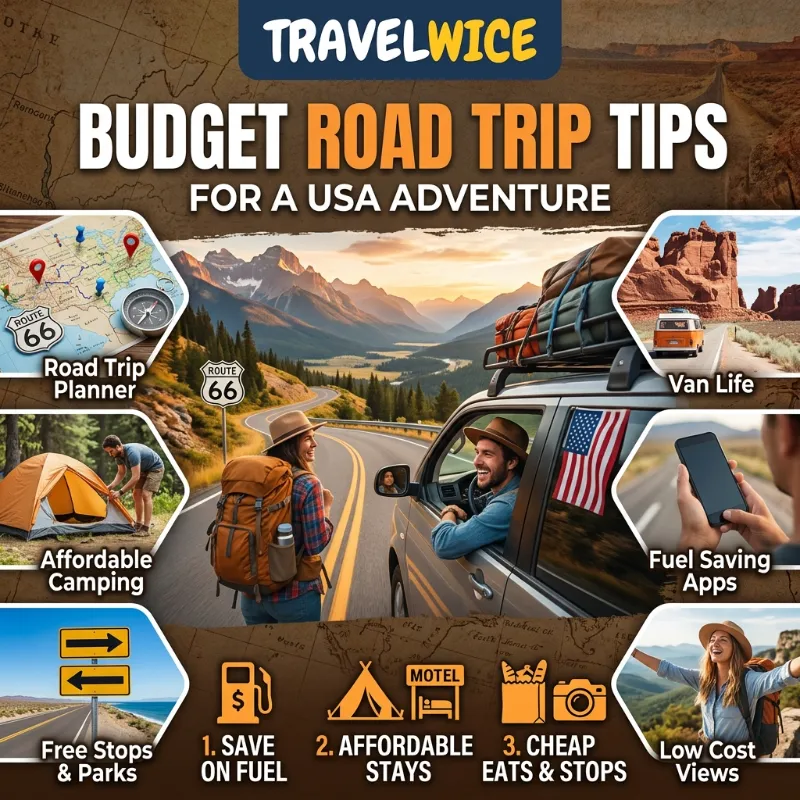
For a broader framework on stretching a US travel budget overall, our pillar guide to budget travel in the USA ties all of these pieces together in one place.
External resources worth bookmarking alongside this guide include USParkPass’s ongoing coverage of the 2026 fee changes and Everything Everywhere’s independent breakdown of pass value, both of which track policy updates closely throughout the year.
Frequently Asked Questions
Does the national park pass cover camping fees?
No. It covers standard entrance fees and, for Senior and Access pass holders, a 50 percent discount on some amenity fees. Full camping charges and special permits are separate.
Can I use one pass for two vehicles?
Only if you’re the pass holder present in the vehicle each time, or if you’ve used the second signature line to split the pass with another named holder traveling separately.
Are the free entrance days really free everywhere?
The entrance fee is waived at every site that normally charges one, but parking reservations and timed-entry fees at parks like Zion or Arches still apply, and as of 2026 the waiver applies to U.S. citizens and residents only.
Is the pass worth it for a single trip to Yellowstone?
If you’re visiting only Yellowstone, paying the $35 vehicle fee at the gate is usually cheaper than the $80 annual pass, unless you’re planning at least one more paid park visit within 12 months.
How has the price changed for international visitors in 2026?
Nonresidents now pay $250 for the annual pass, up from $80, and face a $100 per person surcharge at 11 of the busiest parks if they don’t hold that pass.
Quick Quiz: Test What You Just Learned
- How much does the standard America the Beautiful Annual Pass cost for US residents in 2026?
a) $50
b) $80
c) $150 - How many fee-free entrance days does the NPS offer in 2026?
a) 6
b) 10
c) 15 - What is the new annual pass price for nonresidents starting January 1, 2026?
a) $100
b) $150
c) $250 - True or false: fee-free days in 2026 apply to all visitors regardless of residency.
- How much does the Senior Annual Pass cost for US citizens 62 and older?
Answers: 1) b, $80. 2) b, 10 days. 3) c, $250. 4) False, they now apply to US citizens and residents only. 5) $20 for the annual version, or $80 for a lifetime pass.
Conclusion
The core of national park pass savings tips hasn’t changed much over the years, buy the pass when the math works and skip it when it doesn’t, but 2026 added new wrinkles worth knowing before you leave home. Residents still get a stable $80 price and a genuinely useful set of free days, while nonresidents face a steeper bill and fewer freebies than before. Run your own numbers against your actual itinerary, lean on the senior and military passes if you qualify, and you’ll come out ahead on almost every multi park trip this year.
References
- U.S. Department of the Interior, Modernized National Park Access announcement
- National Park Service, Entrance Passes official page
- Park Chasers, National Park Passes: The Ultimate Guide
- Everything Everywhere, The National Park Pass: Is It Worth It
- USParkPass, 2026 Fee and Pass Changes