

Austin Travel Guide 2026: Live Music, Tacos & Barton Springs
Austin is the city that made me fall for Texas. I landed on a Friday afternoon, dropped my bags, and within two hours I was eating a breakfast taco at a food truck, swimming in a spring-fed pool in the middle of the city, and listening to a band I had never heard of in a bar on Sixth Street. That is Austin in a nutshell: it moves fast, it sounds great, and it never takes itself too seriously. This Austin travel guide 2026 covers the best time to go, how to get around, the things you should not miss, where to stay, what to eat, and what it will cost.
TL;DR: Stay 2–3 nights, base yourself downtown, in South Congress or on South Lamar, and budget roughly $150–$220 per person per day. Spring (March–May) and fall (October–November) are the best months. Do not miss Barton Springs Pool, South Congress Avenue, the Congress Avenue Bridge bats at sunset, and at least one night of live music. Book hotels early for March, when South by Southwest fills the city.

Why Visit Austin in 2026
Austin calls itself the Live Music Capital of the World, and for once a city slogan is not an exaggeration. There are more than 250 live music venues here, and on any given night you can hear blues, country, indie rock, Tejano, jazz and hip-hop within a few blocks of each other. Music is not a special event in Austin. It is the background noise of everyday life — in the bars, in the parks, in the grocery store parking lot, on the airport stage. The city also hosts two of the biggest music gatherings in the country: South by Southwest in March, which mixes music, film and tech, and Austin City Limits Music Festival in October, two weekends of big-name acts in Zilker Park.
But Austin is more than music. It is a city built around water and green space in a way that surprises first-timers. Lady Bird Lake runs right through downtown, with a ten-mile hike-and-bike trail around it, kayaks and paddleboards for rent, and the Congress Avenue Bridge bats overhead at dusk. Barton Springs Pool, a three-acre spring-fed pool in Zilker Park, has been the city’s swimming hole since the 1920s. The Hill Country starts just west of the city, with swimming holes, wineries and wildflower fields an hour’s drive away. Austin is the easiest Texas city to enjoy outdoors, and the one where a morning swim and a late night out fit in the same day.
The food scene is the third reason to come. Austin’s breakfast tacos are famous for a reason, the barbecue is among the best in the state, and the food truck courts — Thai, Vietnamese, Mexican, vegan, you name it — mean you can eat brilliantly for about $10–$15 a meal. The city has a young, creative energy that comes from the University of Texas, the tech industry and decades of musicians and artists moving here for the cheap rent and the good times. It is not cheap any more, but it is still the most fun city in Texas, and the one most first-timers love most. Austin is also a natural starting point for a wider Texas trip — our Texas travel guide for 2026 shows how it fits with San Antonio, Houston and Big Bend, and our San Antonio travel guide for 2026 covers the historic city just 80 miles south.
Best Time to Visit Austin
Spring, from March to May, is the best time to visit Austin. Temperatures sit in the 70s and low 80s, the wildflowers are out in the Hill Country, and the city’s festival calendar is at its peak. March brings South by Southwest, which is wonderful if you have a badge or a wristband and a plan, and chaotic if you do not — hotel prices can double and the city is packed. If you want spring weather without the festival crowds, come in April or early May, when the bluebonnets are still out and the pools are warm enough to swim in.
Fall, from October to November, is the other sweet spot. The summer heat breaks, humidity drops, and the city becomes comfortable again. October brings the Austin City Limits Music Festival, two weekends in Zilker Park, and the same warning applies as in March: great festival, high hotel prices, book early. Late October and November are quieter and often the most pleasant weeks of the year, with highs in the 70s and clear skies.
Summer, from June to August, is hot — regularly over 100°F in July and August — but it is also when Austin’s swimming culture shines. Barton Springs stays at about 68°F all year, the Hill Country swimming holes are at their best, and the city runs its full summer calendar of free concerts in Zilker Park and outdoor movies. Do your sightseeing in the morning, swim in the afternoon, and go out at night when the temperature drops. Drink far more water than you think you need, and wear a hat.
Winter, from December to February, is mild and underrated. Highs run in the 60s, the crowds are gone, and hotel rates are at their lowest. Austin gets a few freezing nights each winter and the occasional ice storm, but a winter weekend here can be lovely — especially around the holidays, when the Trail of Lights fills Zilker Park and the city puts on its festive side. Check the National Weather Service forecasts before you travel, since a cold front can drop the temperature 20 degrees in a few hours.
Getting to Austin and Getting Around
Austin–Bergstrom International Airport (AUS) sits about 15 minutes southeast of downtown, and it is one of the easiest big-city airports in the country to get through. It has direct flights from most major US cities, plus a growing list of international routes. A rideshare or taxi downtown costs about $20–$30, and the Capital Metro bus runs downtown for a few dollars.
Austin is a car-friendly city, but you do not need one every day. Downtown, South Congress, Zilker Park and the University of Texas area are all walkable or a short rideshare apart, and the city has a good network of bike lanes and scooter rentals. The Lady Bird Lake hike-and-bike trail connects downtown, Zilker Park and the east side on foot or by bike. If you plan day trips to the Hill Country, Fredericksburg or the swimming holes, rent a car for a day or two — the drives are the point, and public transport does not reach the swimming holes. Rental cars at the airport run about $40–$70 a day.
Parking downtown runs about $10–$25 a day in garages, and street parking is metered. A practical tip: stay somewhere you can walk from in the evening, and use rideshares at night — Austin’s bar scene runs late, and you do not want to be hunting for parking on Sixth Street at midnight. The Visit Austin official tourism site has current transport information and neighbourhood maps.
Top Things to Do in Austin
Austin rewards a slow pace and a curious attitude. These are the experiences I would not skip, and the ones I send every first-timer to.
Watch the Bats at the Congress Avenue Bridge
From March to October, around 1.5 million Mexican free-tailed bats live under the Congress Avenue Bridge, and every evening at dusk they pour out in a long, swirling ribbon to hunt insects over Lady Bird Lake. It is free, it is spectacular, and it is the most Austin thing you can do. Arrive about 30–45 minutes before sunset and stand on the bridge itself, on the hike-and-bike trail below, or on a bat-watching boat cruise on the lake (about $15–$25 per person). The bats emerge in waves and the show lasts 20–30 minutes. Bring a camera, but put it down for a minute and just watch — the sound of a million wings is something you will not forget. The bats leave for Mexico in late fall, so do not plan a bat trip between November and February.
Swim at Barton Springs Pool
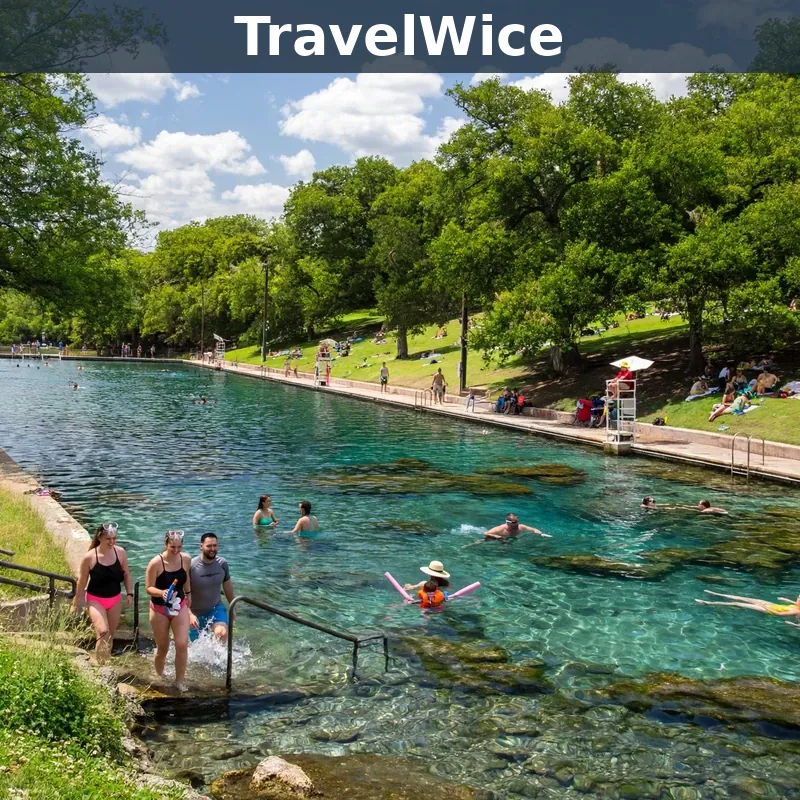
Barton Springs Pool is a three-acre spring-fed pool in Zilker Park, fed by natural springs that keep the water at about 68°F all year round. It has been Austin’s swimming hole since the 1920s, and on a hot day there is no better place in the city. The pool is big enough for lap swimmers at one end and families splashing at the other, with grassy banks for sunbathing and huge pecan trees for shade. Admission is a few dollars for adults, and the pool can get crowded on summer weekends — go early in the morning, when the water is calm and the regulars are doing laps. Next door is the free Barton Springs spillway, known as the “free side,” where locals swim without paying. Bring a towel, sunscreen and water, and note that the pool sometimes closes for cleaning — check before you go.
Stroll South Congress Avenue
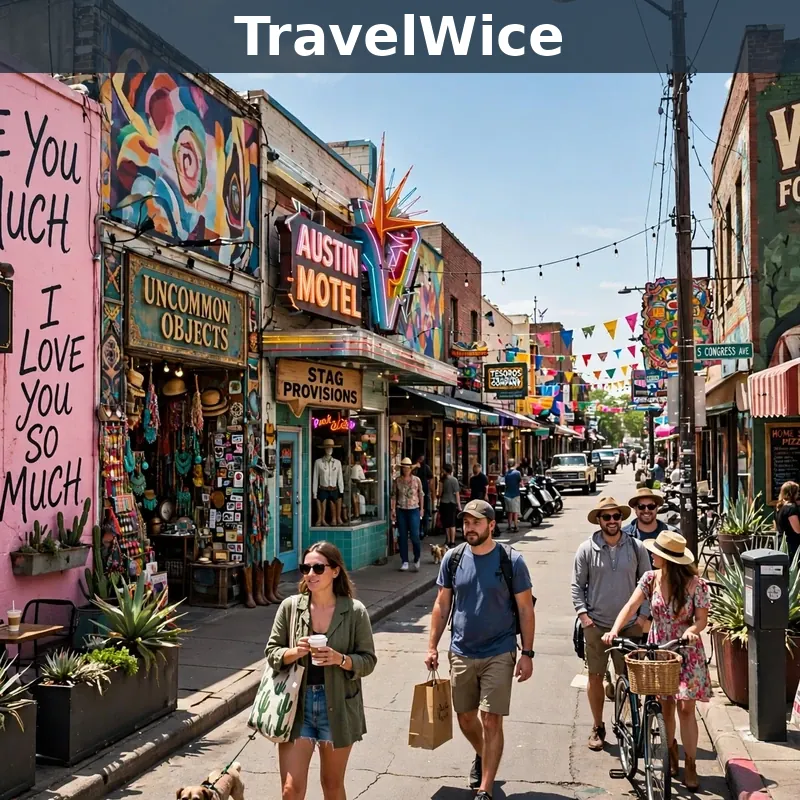
South Congress Avenue — SoCo — is a mile of vintage shops, food trucks, murals and cafes running south from Lady Bird Lake, and it is the best walk in Austin. Start at the river end and walk south: the “I love you so much” mural, the vintage clothing stores, the cowboy boot shops, the food truck court, and the cafes with shaded patios. It is best in the late afternoon, when the light turns golden and the crowds thin out, and the view back toward downtown from the top of the hill is one of the great Austin postcards. Budget an hour or two, wear comfortable shoes, and leave room for a taco at one of the trucks. The Continental Club, a legendary live music venue on South Congress, is worth a night out on its own.
Sixth Street and the Live Music Scene
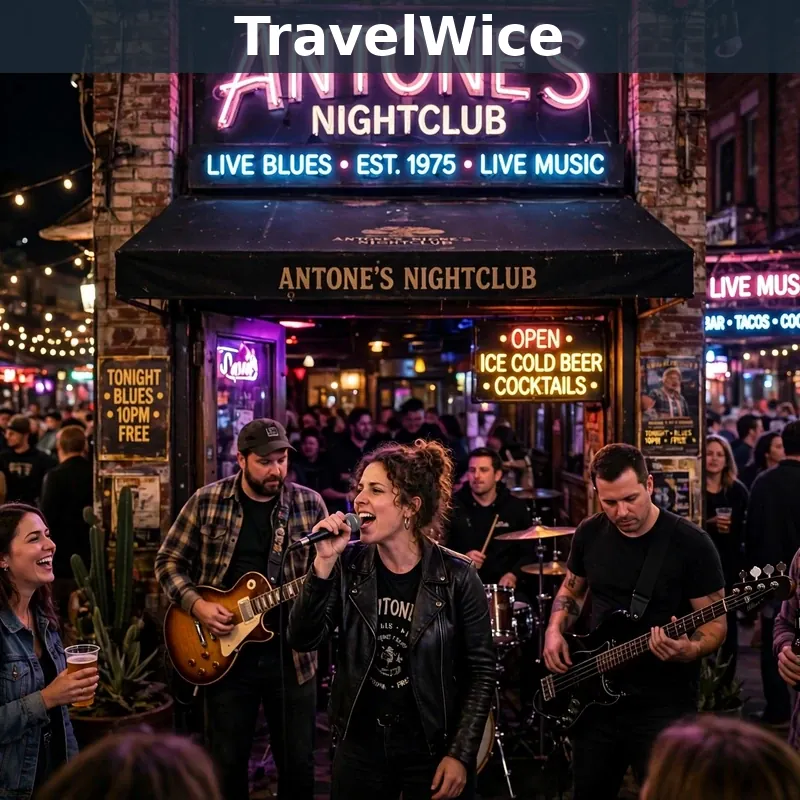
Sixth Street is Austin’s famous entertainment strip — six blocks of bars, clubs and live music venues in the heart of downtown. It is loud, crowded and fun, especially on weekend nights, and it is worth seeing once. The best live music in Austin is not always on Sixth Street, though. The Red River Cultural District, a few blocks east, has the venues where touring bands and serious local acts play, and South Lamar and South Congress have listening rooms where the sound matters more than the scene. Cover charges run about $5–$20, and many daytime shows are free. My advice: pick one night for Sixth Street, and spend your other nights at a smaller venue. Check the Visit Austin official tourism site for show listings before you go, and buy tickets in advance for popular acts.
Mount Bonnell and the Lake Views
Mount Bonnell is the highest point in Austin, a limestone hill on the west side of the city with a panoramic view over Lake Austin and the Hill Country. It is a short climb — about 100 steps from the parking area — and the view at sunset is one of the best in the city. Come in the early evening, bring water, and stay for the light changing over the lake. It is free, it is easy, and it pairs well with a drive along the lakefront roads afterward. Weekends get busy, so weekday evenings are the quietest time.
Zilker Park and the Greenbelt
Zilker Park is Austin’s central park — 350 acres on the south bank of Lady Bird Lake, home to Barton Springs Pool, the Zilker Botanical Garden, the Utopia Theatre’s outdoor shows and the Austin City Limits festival grounds. It is where the city goes on a sunny day: picnics, frisbee, kayaking, and the miniature train that loops the park. The Barton Creek Greenbelt, a seven-mile trail system that starts near Zilker, is the city’s best urban hike, with limestone cliffs, swimming holes and shaded trails — at its best after rain, when the creek is flowing. Both are free, and both are the reason Austin feels greener than other Texas cities.
Day Trips: Hill Country Swimming Holes and Small Towns
Austin’s best day trips are west, into the Hill Country. Hamilton Pool, about 45 minutes away, is a collapsed grotto with a waterfall and a jade-green pool — but you need a reservation, and it books out weeks ahead in summer. Jacob’s Well in Wimberley, about an hour away, is a deep artesian spring and one of the most beautiful swimming spots in Texas, also reservation-only. Fredericksburg, about 80 miles west, is the hub of Texas wine country, with more than 50 wineries and a charming Main Street. Enchanted Rock, a huge pink granite dome you can hike in about 45 minutes, sits just north of Fredericksburg — go at sunrise or sunset and reserve a day pass in advance through the Texas Parks and Wildlife Department. A Hill Country loop from Austin makes a perfect second or third day, and it is the most relaxing drive in Texas.
Austin Neighbourhoods at a Glance
Austin’s neighbourhoods each have a distinct feel, and picking the right base changes the trip. This table is my honest summary of the main areas.
| Neighbourhood | Best for | Vibe | Typical hotel rate |
|---|---|---|---|
| Downtown / Sixth Street | First-timers, nightlife | Busy, central, walkable | $180–$280 |
| South Congress (SoCo) | Shopping, food, views | Trendy, relaxed, scenic | $170–$260 |
| South Lamar / Zilker | Families, Barton Springs | Leafy, local, outdoorsy | $140–$220 |
| East Austin | Food trucks, art, music | Creative, young, up-and-coming | $130–$200 |
| North Austin / The Domain | Shopping, business stays | Modern, polished, suburban | $120–$190 |
Downtown is the easiest base for a first visit — you can walk to Sixth Street, the lake trail and the museums, and rideshares to South Congress take ten minutes. South Congress is my favourite place to stay: quieter at night, prettier in the morning, and full of good food within walking distance. East Austin is the best value and the most interesting food scene, with food truck courts and craft breweries on every other block. South Lamar and Zilker suit families and anyone who wants Barton Springs and the park on the doorstep. North Austin and the Domain are the most polished and the cheapest, but you will drive everywhere.
Where to Stay in Austin
Stay downtown, in South Congress or on South Lamar if you want to walk to things; stay east or north for lower prices. A good mid-range hotel downtown runs about $180–$280 a night, and South Congress runs about the same. Boutique hotels are a strong choice in Austin — converted warehouses, historic buildings and design-led stays cluster downtown and on South Congress, and they often cost the same as the big chains. Vacation rentals work well for groups and families, especially east of downtown, where a house with a yard and a kitchen can cost less per person than two hotel rooms.
Book early for March and October. South by Southwest in March and Austin City Limits in October can double hotel prices, and the best small hotels sell out months ahead. If you are visiting during a festival weekend, consider staying north or east and ridesharing in — the savings can be $100 a night or more. Resort fees of $20–$35 a night and parking charges of $25–$40 a day are common downtown, so check the total before you book. For a wider Texas trip that starts in Austin, our Texas travel guide for 2026 has the full state plan, and our Texas family vacation guide for 2026 covers Austin with kids in detail.
What to Eat and Drink in Austin
Austin food runs on three things: tacos, barbecue and food trucks — and all three are taken very seriously here.
Breakfast tacos are the everyday Austin food, and they are everywhere: food trucks, taquerias, cafes, gas stations. Eggs, potatoes, bacon, beans, cheese and salsa in a flour tortilla, for about $3–$5 each, eaten standing up or in the car. They are the best cheap breakfast in Texas and the first thing I eat when I land. The best ones come from small trucks and taquerias rather than the big chains, so ask a local or follow the morning line.
Barbecue is the other pilgrimage. Central Texas brisket — slow-smoked over post oak, served on butcher paper with white bread, pickles and onions — is the style Austin is famous for, and the best spots sell out by early afternoon. Lines can run over an hour at the famous places, so go early, order brisket and beef ribs, and eat them hot. A full plate runs about $20–$30. Lockhart, about 30 miles south, is the small town with four legendary barbecue joints on one square, and it is worth a half-day trip on its own.
Food trucks fill the gaps. Austin has hundreds of them, parked in courts all over the city, serving Thai, Vietnamese, Mexican, Korean, vegan and everything in between, most dishes about $10–$15. The truck courts on South Congress, South Lamar and the east side are the best places to graze, and they stay open late. Tex-Mex is the other staple: queso, enchiladas, migas for breakfast, and the combination plate. For a sit-down dinner, South Congress and East Austin have the most interesting restaurants, with mains about $20–$35.
Drinks: Austin’s craft beer scene is strong, with breweries clustered on the east side and in the Hill Country, and the cocktail bars on South Congress and downtown are excellent. Happy hour runs late here, and many bars have free live music on weeknights. Drink water between rounds, eat before you go out, and do not drive after drinking — walk, or take a rideshare.
How Much Does an Austin Trip Cost?
Austin is the priciest city in Texas, but it is still good value compared with New York, San Francisco or Los Angeles. For a mid-range trip, plan on roughly $150–$220 per person per day, excluding flights. Our Texas trip cost guide for 2026 breaks down budgets across the state, but here is the Austin summary.
Lodging is the biggest cost: about $150–$280 a night for a good mid-range hotel, more during South by Southwest and Austin City Limits, less in winter and in East Austin. Food runs about $40–$70 a day per person if you mix food trucks and taquerias with one sit-down dinner — breakfast tacos $3–$5 each, a food truck lunch $10–$15, a barbecue plate $20–$30, a restaurant dinner $25–$40. A rental car runs about $40–$70 a day if you need one, and rideshares downtown are short and cheap, usually $8–$15 a trip. Activities are mostly cheap or free: the bats are free, Mount Bonnell is free, Zilker Park is free, Barton Springs is a few dollars, and live music cover charges run about $5–$20.
Ways to save: visit in April, May or November instead of festival season; stay east or north of downtown; eat at food trucks and taquerias; use the free sights — the bats, the lake trail, the parks, the murals. Austin gives you a lot for free, and the best memories — a sunset at the bat bridge, a swim in Barton Springs, a taco at a truck at midnight — cost almost nothing.

If Austin is one stop on a longer trip, San Antonio is an easy and cheaper add-on just 80 miles south — see our San Antonio travel guide for 2026. For a beach break after the city, our Galveston travel guide for 2026 and our South Padre Island travel guide for 2026 cover the Gulf Coast, and if you want the desert, our Big Bend National Park guide for 2026 is the plan. Houston and Dallas are also easy next stops — see our Houston travel guide for 2026 and our Dallas travel guide for 2026. And if the clearest water matters more than the city, our roundup of hidden beaches to visit in the USA has alternatives.
Chart: Austin Average Highs and Rainfall by Month
Austin’s weather shapes the trip more than almost anything else, so this chart shows approximate average daytime highs and monthly rainfall across the year.
| Month | Avg high (°F) | Avg rain (inches) |
|---|---|---|
| January | 62 | 2.0 |
| March | 74 | 2.5 |
| May | 86 | 4.5 |
| July | 97 | 2.0 |
| September | 92 | 3.0 |
| November | 71 | 2.5 |
What the chart shows is a city with a long, hot summer and two comfortable shoulders. Highs climb from the 70s in March to the high 90s by July and stay above 90°F through September — a four-month stretch where afternoons are genuinely hot. The shoulder months of March–May and October–November are the sweet spot, with highs in the 70s and 80s. Rainfall is spread fairly evenly through the year, with May the wettest month and July the driest, so rain rarely ruins a trip — it comes in short, sharp storms rather than all-day washouts. The practical takeaway: plan outdoor sightseeing for the morning in summer, save the afternoons for swimming, and book spring or fall if you want to walk the city all day.
References
- Visit Austin official tourism site — Austin shows, festivals, neighbourhoods and lodging.
- Travel Texas official tourism site — statewide trip planning, events and road trip routes.
- National Weather Service forecasts — forecasts and severe weather alerts.
- Texas Parks and Wildlife Department — state park passes, Enchanted Rock and swimming hole reservations.
- Recreation.gov bookings — federal campgrounds and tours.
Austin Travel Quiz
Test what you picked up from this guide before you go.
1. How many Mexican free-tailed bats live under the Congress Avenue Bridge in summer?
- A) Around 150,000
- B) Around 1.5 million
- C) Around 15 million
2. What temperature is the water at Barton Springs Pool all year?
- A) About 68°F
- B) About 78°F
- C) About 58°F
3. When is the best time to visit Austin for comfortable weather and festivals?
- A) July and August
- B) March–May and October–November
- C) Only in December
4. What is South Congress Avenue best known for?
- A) Skyscrapers and office towers
- B) Vintage shops, food trucks, murals and the “I love you so much” wall
- C) A beach and a boardwalk
5. How far is San Antonio from Austin?
- A) About 80 miles, roughly 1.5 hours by car
- B) About 200 miles, roughly 4 hours by car
- C) About 30 miles, roughly 30 minutes by car
Quiz Answers
- B) Around 1.5 million — About 1.5 million Mexican free-tailed bats live under the Congress Avenue Bridge from March to October.
- A) About 68°F — Barton Springs Pool is spring-fed and stays at about 68°F all year round.
- B) March–May and October–November — Spring and fall bring comfortable temperatures, wildflowers and the big festivals, without the summer heat.
- B) Vintage shops, food trucks, murals and the “I love you so much” wall — South Congress is Austin’s best walk, a mile of shops, trucks and street art.
- A) About 80 miles, roughly 1.5 hours by car — Austin and San Antonio are an easy drive apart on I-35, which is why they pair so well.