

Texas Trip Cost Guide 2026: What a Texas Trip Really Costs
“How much does a Texas trip cost?” is the question I get asked most, and the honest answer is: it depends on how you travel, but Texas gives you more control over the answer than most states. A couple can have a great long weekend in San Antonio for under $800, or a family can spend $3,000 on a week that mixes Houston, the Hill Country and the beach. The difference is not luck — it is lodging, timing and how many paid attractions you stack into each day. I have travelled Texas on a backpacker’s budget and on a comfortable one, and this Texas trip cost guide 2026 breaks down every line item with real numbers: flights, hotels, food, car rental, gas, attraction tickets and the hidden fees that catch people out. All prices are approximate ranges based on typical 2026 prices, so use them to plan, then check current rates before you book.
TL;DR: A mid-range Texas trip costs about $150–$250 per person per day, or roughly $1,000–$1,750 per person for a week, not counting flights. Budget travellers can manage $90–$130 a day, and a comfortable trip runs $300–$450 a day. Lodging is the biggest cost and the biggest lever. Travel in October–November or late April for the best balance of weather and prices, and book hotels and rental cars early for spring break and summer weekends.
Texas Trip Costs at a Glance
Here is the short version before we get into the detail. These are per-person daily costs for a typical trip, excluding flights to Texas.
| Budget level | Lodging | Food | Transport | Activities | Total per day |
|---|---|---|---|---|---|
| Budget | $35–$55 | $25–$40 | $15–$25 | $10–$20 | $90–$130 |
| Mid-range | $70–$110 | $40–$65 | $25–$40 | $25–$45 | $160–$250 |
| Comfortable | $130–$220 | $70–$110 | $40–$70 | $50–$90 | $290–$450 |
A couple travelling mid-range for five days should plan on about $1,600–$2,500 total, plus flights. A family of four on a mid-range week should plan on about $2,100–$3,200, plus flights, because kids share rooms and eat cheaper, which pulls the per-person number down. These ranges assume you are staying in cities or popular towns; a week camping in state parks can cost half as much, and a week in a downtown Austin hotel in March can cost half as much again. Our Texas travel guide for 2026 shows how the costs fit into the wider trip plan, and if you are comparing states, our Colorado trip cost guide for 2026 uses the same format.
Getting to Texas: Flights and Arrival Costs
Most visitors fly into one of four big airports: Dallas–Fort Worth (DFW), Houston Bush Intercontinental (IAH), Austin–Bergstrom (AUS), or San Antonio International (SAT). Dallas and Houston have the most flights and usually the cheapest fares, because both are major hubs. Austin is the priciest of the four on average, especially around South by Southwest in March.
Flight Prices
From the East Coast, round-trip fares to Dallas or Houston typically run about $200–$400 if you book a month or two ahead, and $350–$600 in peak summer or around the holidays. From the West Coast, expect about $250–$450 in advance and $400–$650 at peak times. From the Midwest, fares are often the cheapest — about $150–$300 round trip. Flying midweek, Tuesday to Thursday, usually saves $50–$100 per ticket over a Friday or Sunday flight.
The cheapest way to fly into Texas is often to fly into Dallas or Houston and drive, even if your main destination is Austin or San Antonio — the drive is about three hours, and the fare saving can be $100 or more per person. If you are flying as a family of four, that saving pays for a night in a hotel.
Airport to City Costs
Getting from the airport to your hotel is a real line item. A rideshare from DFW to downtown Dallas runs about $30–$45. From IAH to downtown Houston, about $35–$50. From Austin airport to downtown, about $25–$35. From San Antonio airport to the River Walk, about $20–$30. Public transport exists in all four cities, but it is patchy — a bus or light rail ride costs about $1.25–$2.50, and it works if your hotel is on a main line. If you are renting a car anyway, pick it up at the airport and skip the transfer cost entirely.
Hotels and Lodging: The Biggest Line Item
Lodging is where most of the money goes, and where you have the most control. Texas hotel prices vary enormously by city, season and day of the week.
City Hotel Prices
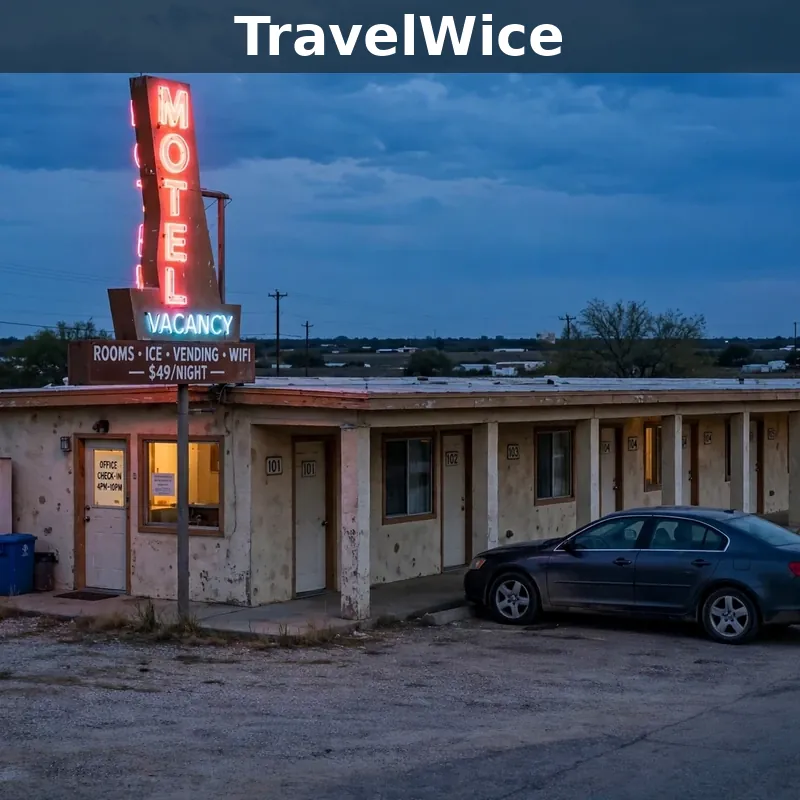
In Austin, a decent mid-range hotel downtown runs about $150–$250 a night, and $250–$400 during South by Southwest or a big festival weekend. A budget hotel or motel on the edge of town runs about $80–$130. In San Antonio, River Walk hotels run about $150–$250 a night, while good hotels a ten-minute walk away run $90–$150. Houston and Dallas are usually cheaper than Austin — a solid mid-range hotel downtown runs about $120–$200 a night, and $80–$120 in the suburbs. In Galveston and South Padre Island, beachfront hotels run about $180–$350 a night in summer and $90–$180 in winter.
Vacation Rentals and Alternative Stays
For stays of four nights or more, a vacation rental often beats a hotel. A two-bedroom apartment or house in Austin or San Antonio runs about $120–$220 a night, and a three-bedroom Hill Country house with a yard runs about $150–$280. The kitchen alone can save a family $40–$60 a day on breakfast and snacks. Hostels exist in Austin and Houston, with dorm beds around $35–$50 a night, and they are a real option for solo travellers.
Camping and Cabins
The cheapest roof in Texas is a state park campsite: about $15–$25 a night for a tent site, and about $75–$150 for a cabin with beds and electricity. Garner State Park, Inks Lake and Brazos Bend are the most popular for families, and cabins book out months ahead for weekends. Book through the Texas Parks & Wildlife Department site. A $70 annual Texas State Parks Pass pays for itself in about ten visits, and kids 12 and under enter free.
Hidden Hotel Fees
Watch for resort fees and parking. Resort fees of $20–$45 a night are common at beach and River Walk hotels, and parking adds $15–$40 a day in downtown garages. Always check the total price including taxes and fees before booking — Texas hotel taxes run about 13–17 percent on top of the room rate, so a $150 room is really about $175. A hotel that looks $30 cheaper but charges $35 a night for parking is not cheaper at all.
Food and Drink Costs
Texas is a good state for eating well without spending much. The food that Texas is famous for — barbecue, tacos, Tex-Mex — is also the cheapest food in the state.
Everyday Eating
A breakfast taco costs about $2–$4, and two of them plus a coffee make a proper breakfast for under $10. A barbecue plate with brisket, two sides and bread runs about $15–$22 at a good counter-service joint, and the portions are big enough that a light eater can share. A Tex-Mex lunch — enchiladas, rice, beans and a drink — runs about $12–$18. A sit-down dinner at a mid-range restaurant runs about $25–$40 per person with a drink, and a nice dinner out in Austin or Houston runs $50–$80 per person.
For a couple, a realistic food budget is about $60–$90 a day if you mix one restaurant meal with cheaper meals, and $90–$140 a day if you eat out three times. A family of four should plan on $90–$140 a day mid-range. Groceries help a lot: a supermarket run for breakfast food, sandwich supplies, fruit and drinks costs about $40–$60 for a family for two or three days, and it cuts the food bill nearly in half on road trip days.
Drinks and Coffee
Coffee runs about $3–$5 at a cafe and $2 at a gas station. A beer at a bar runs about $5–$8, and a cocktail about $10–$14. Texas has no state income tax, but alcohol is taxed, and restaurant bills in the big cities carry a local tax of about 8.25 percent. Tipping is the same as the rest of the USA — about 18–20 percent at sit-down restaurants, a dollar or two per drink at a bar, and a few dollars a day for hotel housekeeping.
Where the Money Goes
The honest truth about food costs in Texas is that the difference between a cheap day and an expensive day is almost entirely about dinner. A day with breakfast tacos, a barbecue lunch and a home-cooked dinner costs about $30 per person. The same day with a brunch, a food hall lunch and a steakhouse dinner costs $100 per person. Both are good days. Pick one splurge dinner per trip — a proper barbecue joint or a Hill Country restaurant with a patio — and keep the other meals simple.
Car Rental, Gas and Getting Around
You need a car in Texas. The cities have some public transport, but the distances between places — and between the cities themselves — make a car essential for almost any trip beyond a single downtown weekend.
Car Rental Prices
A standard rental car in Texas runs about $45–$70 a day, or $300–$450 a week, booked a few weeks ahead. Prices spike around spring break, summer weekends and big events — the same car can cost $90–$120 a day if you book late for a festival weekend. Renting from an off-airport location can save 10–20 percent, because airport rental taxes are high. Book the smallest car that fits your group and luggage; gas is cheaper in a sedan, and Texas parking spaces are generous.
Insurance is the add-on to watch. The rental desk will offer a collision damage waiver for about $20–$30 a day. Many credit cards already cover rental car damage, so check your card benefits before you pay for it. If your own car insurance covers rentals, you may not need the extra coverage at all.
Gas and Driving Distances
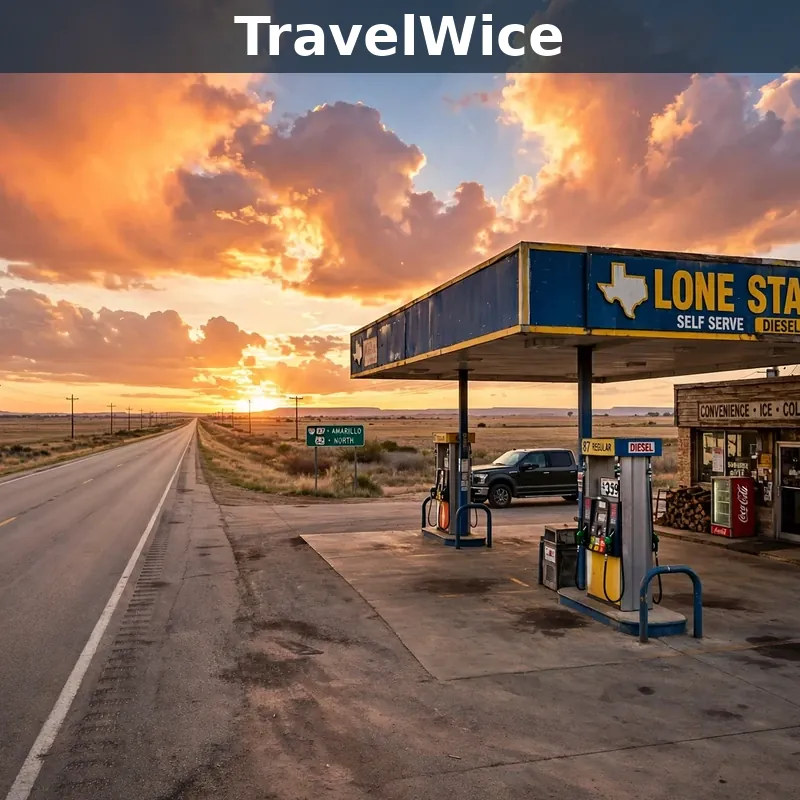
Texas gas is among the cheapest in the country, usually about $2.80–$3.50 a gallon. The distances are the real cost. Austin to San Antonio is about 80 miles, or 1.5 hours. Austin to Houston is about 165 miles, or 3 hours. Dallas to Austin is about 200 miles, or 3.5 hours. Houston to Galveston is about 50 miles, or an hour. Dallas to South Padre Island is about 550 miles, or 8 hours. A week-long road trip covering two or three cities easily adds 600–900 miles, which at 30 miles per gallon works out to about $60–$100 in gas for the week.
Tolls are a small but real cost. The highways around Austin, Dallas and Houston include toll roads, and a rental car toll pass can add $5–$15 a day if you use them a lot. Most toll roads have a free alternative that adds ten or fifteen minutes — use the navigation app’s “avoid tolls” setting if you would rather keep the money.
Rideshares and Parking
Inside a city, a rideshare trip runs about $10–$20 for a short hop and $25–$45 to the airport. Parking downtown runs about $10–$25 a day in a garage, and street meters run $1–$2 an hour. San Antonio’s River Walk area and Austin’s downtown are the priciest for parking; Houston and Dallas are a little easier. If your hotel charges for parking, factor that into the room comparison — a hotel that charges $30 a night for parking is not a bargain at any room rate.
Attraction and Activity Costs
Attractions are the most variable part of a Texas budget, because the state mixes free icons with pricey headline experiences. The trick is to pick one or two paid headliners per trip and fill the rest of the time with the free stuff.

The Big Tickets
Space Center Houston is the most expensive single attraction in the state for a family: about $30 per adult and $25 per child, so about $110 for a family of four, plus parking. It is worth it — give it a full day. Check current prices on the Space Center Houston official site. The Perot Museum in Dallas runs about $25 per adult and $18 per child. The San Antonio Zoo runs about $25–$30 per person. A River Walk barge cruise runs about $12–$15 per adult and less for kids. Moody Gardens in Galveston runs about $35–$45 per person for a day pass.
The Alamo, by contrast, is free — one of the most famous historic sites in the country, and it costs nothing to walk in. The The Alamo official site lists any fees for special exhibits or guided tours. The San Antonio Missions are free too, as is the state capitol building in Austin, which offers free guided tours. Barton Springs Pool costs about $5 per adult, and many city parks, trails and beaches cost nothing at all.
Beaches and Parks
Texas beaches are mostly free. Galveston, South Padre Island, Rockport and Port Aransas all have free public beach access, with paid parking of about $5–$15 a day in the busiest lots. Padre Island National Seashore charges about $10 per vehicle for a day pass. State parks charge about $7–$8 per adult per day, and kids 12 and under are free. Big Bend National Park charges about $30 per vehicle for a seven-day pass — check current fees on the Big Bend National Park official page. Campsites in national and state parks can be booked through Recreation.gov and the state parks site.
Tours, Water Parks and Day Trips
A half-day snorkel or dolphin-watching boat trip on the coast runs about $40–$70 per person. A Hill Country wine tasting runs about $15–$25 per person per winery, with tastings often waived if you buy a bottle. The big water parks — Schlitterbahn in New Braunfels, for example — run about $50–$70 per person for a day pass in summer, and they are worth it on a hot day if you arrive when the gates open. A guided food tour in Austin or San Antonio runs about $60–$80 per person. Texas day trips are mostly driving, and driving is cheap.
What Each City Costs: A City-by-City Breakdown
Prices are not the same across Texas, and picking your base city changes the budget by hundreds of dollars over a week.
Austin
Austin is the most expensive Texas city, driven by hotel rates and food. A couple should budget about $200–$300 a day mid-range, or $140–$180 a day on a tight budget. The Visit Austin official tourism site lists free events that help: free concerts, free museum days, and the bats, which cost nothing. Our Austin travel guide for 2026 has the full city plan.
San Antonio
San Antonio is the best value of the big four, because the main attractions are free or cheap and the hotels are reasonable. A couple should budget about $160–$240 a day mid-range. The River Walk, the Alamo and the Missions can fill two days for under $50 in attraction costs. The Visit San Antonio official tourism site has current deals. Our San Antonio travel guide for 2026 covers it in detail.
Houston
Houston sits in the middle: hotels are cheaper than Austin, food is excellent and affordable, and the big cost is Space Center Houston. A couple should budget about $170–$250 a day mid-range. The Visit Houston official tourism site lists free museum days, which can save $50 or more for a family. Our Houston travel guide for 2026 has the full breakdown.
Dallas
Dallas is close to Houston on price, with slightly cheaper hotels and a strong free scene — Klyde Warren Park, the Arboretum’s free days, and the arts district. A couple should budget about $160–$240 a day mid-range. The Visit Dallas official tourism site has the current event calendar. Our Dallas travel guide for 2026 covers the city.
Galveston and the Gulf Coast
The Gulf Coast is seasonal: summer is expensive, winter is a bargain. A couple should budget about $180–$280 a day in summer and $120–$180 in winter. Beach access is free, which keeps activity costs low, but beachfront hotels and resort fees push lodging up. Our Galveston travel guide for 2026 has the island details, and the Visit Galveston official tourism site lists seasonal rates. Families planning a beach week should also read our Texas family vacation guide for 2026 for kid-specific costs.

Three Sample Texas Budgets
Real numbers help more than ranges, so here are three complete trip budgets for a couple, excluding flights. Treat them as templates and adjust the pieces to fit your trip.
The Budget Long Weekend: 3 Days in San Antonio, About $700–$900
Two nights in a budget hotel away from the River Walk: about $180–$240. Food, mixing breakfast tacos, Tex-Mex lunches and one nice dinner: about $180–$240. A rental car for three days plus gas: about $150–$200. Attractions: the Alamo and the Missions are free, a River Walk barge cruise is about $30 for two, and the Japanese Tea Garden is free. Total: about $540–$710 before extras, or $700–$900 with parking, snacks and a souvenir or two.
The Mid-Range Week: 6 Days, Austin and San Antonio, About $1,900–$2,600
Five nights split between a mid-range Austin hotel and a San Antonio hotel: about $750–$1,100. Food for six days: about $420–$600. A rental car for the week plus gas: about $350–$450. Attractions: Barton Springs, a museum or two, a barge cruise and a Hill Country swimming hole: about $150–$250. Parking and extras: about $100–$150. Total: about $1,770–$2,550 for two people, or roughly $150–$210 per person per day.
The Comfortable Family Week: 7 Days, Houston, Galveston and the Hill Country, About $3,400–$4,800
Six nights, mixing a Houston hotel, a Galveston beachfront hotel and a Hill Country rental: about $1,500–$2,400. Food for a family of four for seven days: about $700–$1,000. A rental car, ideally an SUV, plus gas: about $450–$600. Attractions: Space Center Houston, Moody Gardens, the zoo and a water park day: about $450–$700. Parking, snacks and extras: about $200–$300. Total: about $3,300–$5,000 for a family of four, or roughly $120–$180 per person per day — families are cheaper per person because rooms and cars are shared.
Chart: Where the Money Goes on a Mid-Range Texas Trip
The table below breaks down a typical mid-range week for two people — six days, about $2,200 total — into shares of the budget. The point of the chart is to show which line items actually matter.
| Category | Cost for the week | Share of budget |
|---|---|---|
| Lodging (5 nights) | $800–$1,100 | 40% |
| Food and drink | $420–$600 | 25% |
| Car rental and gas | $350–$450 | 18% |
| Attractions and tours | $150–$250 | 9% |
| Parking, tolls and extras | $100–$150 | 5% |
| Shopping and souvenirs | $60–$100 | 3% |
What the chart shows is that lodging and food together swallow about two-thirds of a Texas trip budget, while attractions — the part people worry about most — are under a tenth. That is good news, because lodging and food are the two costs you control most. Dropping one hotel tier saves more than skipping every museum on the trip. Cooking two breakfasts and packing two picnic lunches saves more than skipping Space Center Houston. And the cheapest attractions in Texas — the Alamo, the River Walk, Barton Springs, the beaches, the bats — are also the most memorable. If you have to cut, cut the hotel, not the experience.
When to Go: How Season Changes the Price
Season is the second-biggest lever after lodging, and the price swings are large.
March is the most expensive month in Austin, because South by Southwest fills every hotel room in the city and rates can double. Spring break week in mid-March is the most expensive week statewide for family destinations — San Antonio, Galveston and South Padre all spike. Summer weekends run 20–30 percent above weekday rates at the beach and in the Hill Country. October and November are the cheapest months for the best weather: hotels drop 20–40 percent from summer peaks, rental cars are cheaper, and the attractions are quiet. January and February are the cheapest months overall, but the beach towns are quiet and some seasonal attractions close.
A practical rule: if you can travel in late April, late October or early November, you will pay shoulder-season prices for peak-season weather. Check the National Weather Service forecasts for the week you pick, and check the Travel Texas official tourism site for festivals and events that might push prices up in your chosen city.
How to Save Money on a Texas Trip
These are the savings that actually add up, in the order that matters most.
First, travel in the shoulder season. October, November and late April cut hotel rates by 20–40 percent and thin the crowds. Second, book the hotel and the rental car early — three to six weeks ahead for a normal trip, two to three months ahead for spring break or a festival. Prices almost never fall as the date approaches. Third, stay a little outside the centre. A hotel ten minutes from the River Walk or the beach costs $40–$70 less a night, and the drive is nothing in Texas terms.
Fourth, eat breakfast in the room and pack picnic lunches for park and beach days. A family that does this saves $40–$60 a day, which is $300 or more over a week. Fifth, use the free stuff deliberately: the Alamo, the Missions, the state capitol, the bats, the beaches, the swimming holes, and the free museum days that Houston and Dallas both run. Sixth, get the $70 Texas State Parks Pass if you will visit three or more parks — it pays for itself fast, and kids 12 and under are free anyway.
Seventh, fill the tank at big supermarkets and warehouse clubs on the highway, where gas is often 20–30 cents a gallon cheaper than at the small stations near the attractions. Eighth, check for city passes. Houston and San Antonio both have attraction passes that bundle several museums and tours at a discount — worth it if you plan to visit three or more of the included sights, not worth it if you only want one. Ninth, travel midweek. A Tuesday-to-Thursday stay is almost always cheaper than a Friday-to-Sunday stay, and the attractions are quieter too. Finally, keep one splurge and make it count: a great barbecue dinner, a sunset boat trip, or a night in a hotel with a pool the kids will remember. One good splurge beats five mediocre ones, and it costs less.
References
- Travel Texas official tourism site — statewide trip planning, deals and event calendars.
- Space Center Houston official site — ticket prices, tram tours and hours.
- The Alamo official site — free admission details and special exhibit fees.
- Visit Austin official tourism site — hotel rates, free events and city information.
- Visit San Antonio official tourism site — hotel deals and River Walk information.
- Visit Houston official tourism site — free museum days and family attractions.
- Visit Dallas official tourism site — events, hotels and city information.
- Visit Galveston official tourism site — seasonal rates and beach information.
- Texas Parks & Wildlife Department — state park fees, passes and reservations.
- Big Bend National Park official page — park entry fees and conditions.
- National Weather Service forecasts — forecasts and seasonal weather.
- Recreation.gov bookings — federal campsites and tours.
Texas Trip Cost Quiz
Test what you picked up from this guide before you go.
1. What is the biggest single cost on a typical mid-range Texas trip?
- A) Attractions and tours
- B) Lodging
- C) Food and drink
2. How much does the Alamo cost to visit?
- A) About $25 per person
- B) About $15 per person
- C) Free to visit
3. What is the cheapest month range for good weather and low prices in Texas?
- A) March, during spring break
- B) October–November and late April
- C) July and August
4. How much does a standard rental car typically cost per day in Texas?
- A) About $45–$70
- B) About $15–$25
- C) About $120–$150
5. What share of a mid-range weekly budget do lodging and food take together?
- A) About a quarter
- B) About two-thirds
- C) About a tenth
Quiz Answers
- B) Lodging — Lodging takes about 40% of a mid-range budget, the largest single share.
- C) Free to visit — The Alamo is free, though some special exhibits and tours charge a fee.
- B) October–November and late April — Shoulder season brings lower hotel rates with mild, pleasant weather.
- A) About $45–$70 — A standard rental car runs about $45–$70 a day booked a few weeks ahead.
- B) About two-thirds — Lodging at about 40% plus food at about 25% makes roughly two-thirds of the budget.