

Vail Ski Guide 2026: Terrain, Passes, Lessons, Lodging and Après-Ski
Vail is the largest ski mountain in Colorado, and this Vail ski guide 2026 covers its terrain, Back Bowls, lift passes, lessons, lodging, après-ski, summer activities and practical planning. Prices vary by date, demand and how early you book, so treat every price here as a range, not a fixed quote.
TL;DR: Vail opened for 2025–26 on 14 November 2025, typically runs to mid-April, and is planned to open for 2026–27 on 13 November 2026. It offers 5,317 acres, 278 trails, 32 lifts, a 3,450-foot vertical and about 354 inches of average snowfall. Buy an Epic Pass or Epic Day Pass in advance; walk-up tickets are most expensive, commonly $200–$375 at peak times. Beginners start at Golden Peak or Lionshead, strong intermediates try China Bowl first, and experts head for the Back Bowls.
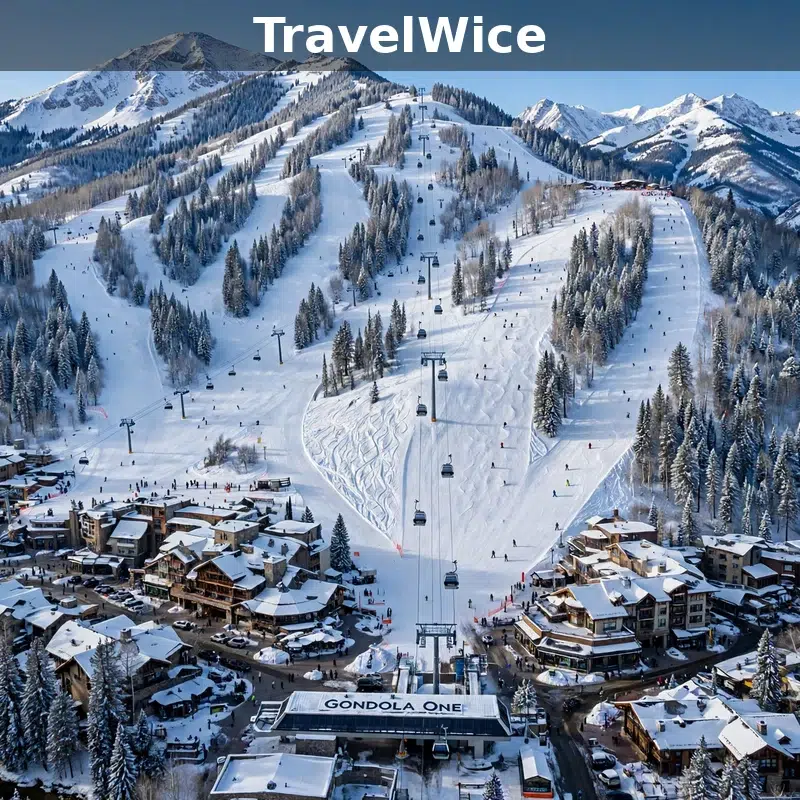
Why Vail Still Leads Colorado Skiing in 2026
Vail earns its reputation through scale, variety and polish. The mountain is large enough to ski for a week without repeating a favourite run, yet the villages are compact, car-free and easy to navigate on foot.
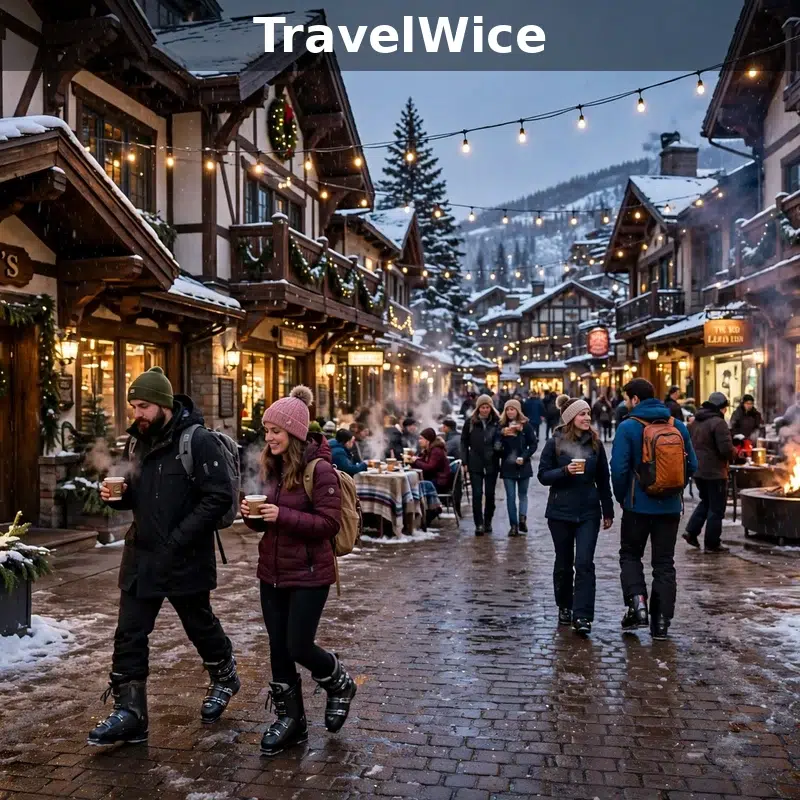
Vail Village was built in a Tyrolean alpine style, with heated cobbled streets, shops and restaurants that stay lively after the lifts close, while Lionshead is more modern and relaxed, with its own gondola.
Vail also makes a great base for a bigger Colorado trip. Our Colorado travel guide for 2026 puts it in context, and a Colorado road trip itinerary can link Vail with Beaver Creek and Breckenridge. Want to compare? See our guide to things to do in Aspen and the Telluride travel guide for 2026.
Vail Mountain at a Glance
The resort’s published statistics are below.
| Fact | Vail Mountain, 2026 |
|---|---|
| Skiable terrain | 5,317 acres |
| Trails | 278 trails |
| Lifts | 32 lifts, including 2 gondolas |
| Summit elevation | 11,570 feet |
| Base elevation | 8,120 feet |
| Vertical drop | 3,450 feet |
| Longest run | Riva Ridge, about 4 miles |
| Average annual snowfall | About 354 inches |
| Beginner terrain | 18% |
| Intermediate terrain | 29% |
| Advanced and expert terrain | 53% |
| 2025–26 opening day | 14 November 2025 |
| Typical season | Mid-November to mid-April |
| 2026–27 planned opening | 13 November 2026 |
| Pass | Epic Pass |
| Nearest major airport | Denver International Airport, about 120 miles east |
A 3,450-foot vertical means long runs and tired legs by mid-afternoon, especially on your first day at altitude.
Terrain: Front Side, Back Bowls and Blue Sky Basin
Vail has three terrain zones.
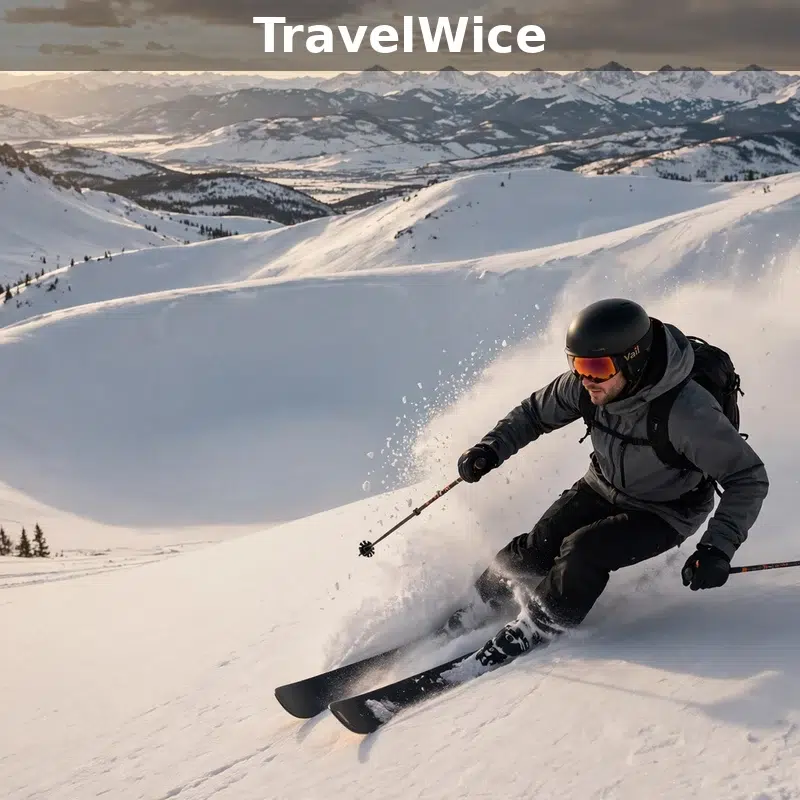
The Front Side: Groomers, Views and Warm-Up Runs
The Front Side faces north, towards Vail Village and Lionshead, and it’s where most of us start. It holds most of the groomed cruising, the main learning areas, and the easiest routes back to the villages.
Riva Ridge is the one to know: about four miles long, top to bottom, and a brilliant confidence-builder if you’re a solid beginner or intermediate.
The Back Bowls: Seven Bowls, 2,785 Acres
The Back Bowls are the bit people talk about in the lift line. They cover 2,785 acres — more than half the mountain — across seven bowls on the south-facing side: Sun Down, Sun Up, Tea Cup, China, Siberia, and Inner and Outer Mongolia, counted together. Wide-open faces, ungroomed powder, glades, long traverses.
If you’re a strong intermediate and it’s your first bowl, start with China Bowl. Its Poppyfields East and West runs are mellow, groomed intermediate terrain — an introduction to bowl skiing. Sun Up Bowl, the first bowl the founders skied, has The Slot, a groomed run giving access to China, Sun Down and Tea Cup.
The other bowls step things up. Sun Down has hidden entrances and cliff bands. Siberia mixes glades with large cliffs, including Rasputin’s Revenge. Inner and Outer Mongolia are secluded expert terrain, reached only by traverse — don’t wander in hoping for an easy way out.
None of the seven bowls is beginner terrain, and they open later than the Front Side, depending on snowpack, so check live terrain status first. Go with a partner, carry water, and do not enter a bowl late in the day without a clear exit plan.
Blue Sky Basin: Glades and a Backcountry Feel
Blue Sky Basin sits beyond the Back Bowls, at the far eastern edge of the mountain, and covers about 645 acres of gladed, natural terrain. It’s quieter and wilder, with aspen and pine glades and open meadows that reward unhurried skiing.
Terrain for Beginners and Families
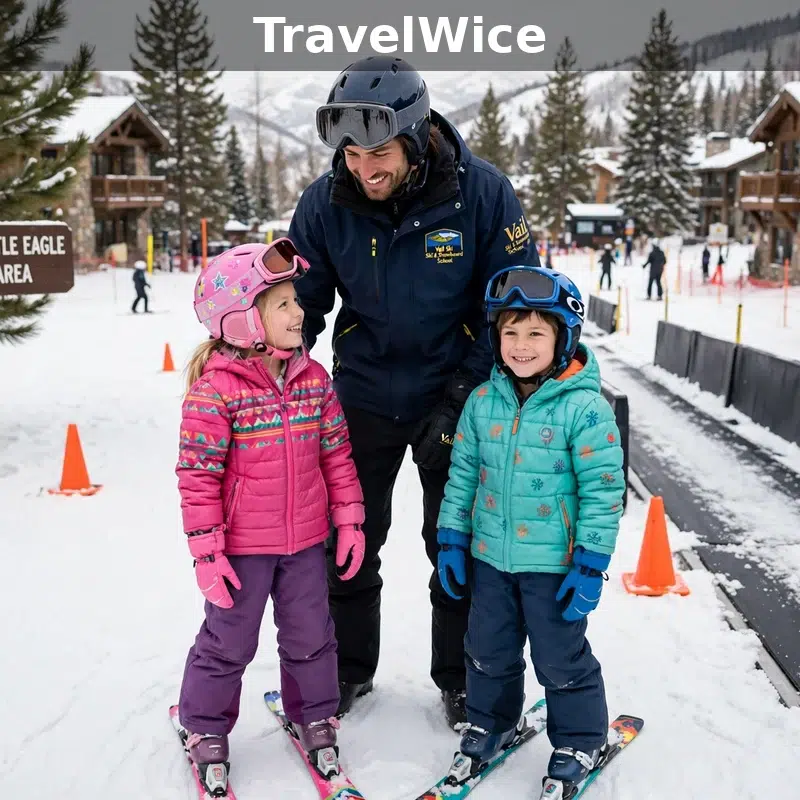
Beginners are well served, despite the mountain’s expert reputation. Dedicated learning areas sit at Golden Peak and Lionshead, with conveyor-belt lifts, gentle slopes and instructors who work with first-timers every day.
Progression terrain such as Sourdough lets you move beyond the magic carpet without jumping straight to a long blue run. Stay in the learning area until you can stop, turn and control speed confidently, then try the easiest green runs from Mid-Vail. Rushing that step is the classic beginner mistake.
When to Go: Season, Snow and Best Weeks
Timing shapes both the snow and the price. The best time to visit Colorado depends on what you want most: the deepest snow, the quietest slopes, the lowest prices, or the liveliest village buzz.
Early season, mid-November to mid-December, means lower prices and thinner crowds — but limited terrain, with only the Front Side usually open at first. January and February are the core of the season: the whole mountain is usually open, the base is deep, and powder days are most likely, although these are also the coldest months.
March is often the sweet spot, with longer days, milder temperatures, a deep base and a good chance of spring powder. Holiday weeks — Christmas to New Year, Martin Luther King Jr. weekend and Presidents’ Day week — are the busiest and most expensive. Check the National Weather Service forecast for Vail before you travel: conditions at the summit at 11,570 feet can differ sharply from the village at 8,120 feet.
Lift Passes and Ticket Prices in 2026
Lift access is the largest single cost for most Vail visitors, and the price depends far more on when you buy than on when you ski. Vail uses dynamic pricing, so the same day can cost very different amounts depending on demand and how far ahead you purchase. The ranges below are planning guides based on recent 2025–26 and 2026–27 reporting, not fixed official fees.
Epic Pass: Best for Five or More Days
The full Epic Pass was listed at about $1,075 for adults and about $548 for children at the lowest autumn price for 2025–26, rising later in the season; later reporting put the adult price at about $1,097. It offers unlimited access to Vail and more than 40 other Vail Resorts mountains, plus access to more than 90 resorts worldwide.
If you’ll ski five or more days at Vail, or combine Vail with Beaver Creek, Breckenridge, Keystone or Park City, it’s usually the cheapest option per day. The Epic Local Pass, listed at about $816 for adults, covers 29 resorts with holiday blackout dates at some mountains.
Epic Day Pass: Best for One to Seven Days
The Epic Day Pass is usually the best value for a short trip. You buy one to seven days in advance, choose whether to include peak dates, and pay a lower per-day rate than a walk-up ticket.
Recent reporting put it at about $100–$140 per day for a four- to seven-day pass, and about $144–$147 for a single restricted day, rising to about $175 with peak dates included. Buy early, because prices rise as the season approaches.
Walk-Up and Advance Day Tickets: The Expensive Option
A single-day ticket bought at the window is the most expensive way to ski Vail. Recent reporting puts walk-up prices at about $250–$350 a day in peak season, with some peak holiday tickets reaching about $374 for the 2026–27 season.
Advance purchase online, weeks ahead, can bring the same day down to about $140–$200 in off-peak periods, or about $199–$202 for an opening-day ticket. Children aged five to twelve usually pay less, with recent opening-day child tickets reported at about $139 online. Don’t just turn up and buy at the window.
Chart/Graph: How Vail Ticket Prices Rise From Advance to Walk-Up
The chart below uses ranges reported for the 2025–26 and 2026–27 seasons. It is not a price list for a single day; it shows the pattern that matters — the earlier you commit, the lower the per-day cost.
| Ticket option | Typical per-day cost, adult | When to buy | Best for |
|---|---|---|---|
| Epic Day Pass, 4–7 days | About $100–$140 | Before the season | A 4–7 day trip |
| Epic Day Pass, 1 day, restricted | About $144 | Before the season | One off-peak day |
| Epic Day Pass, 1 day, with peak dates | About $175 | Before the season | One peak day |
| Advance day ticket, off-peak, online | About $140–$200 | Weeks ahead | A flexible short trip |
| Advance day ticket, opening day, online | About $199–$202 | Weeks ahead | Opening week |
| Walk-up day ticket, peak season | About $250–$350 | On the day | Last-minute skiing |
| Walk-up day ticket, peak holiday | Up to about $374 | On the day | Holiday, no advance booking |
Interpretation: the cheapest rate, about $100–$140 for a multi-day Epic Day Pass, is roughly one-third of the most expensive walk-up holiday rate, about $374 — a difference of more than $230 per person per day, or more than $690 over three days. The full Epic Pass follows the same logic: its autumn price of about $1,075–$1,097 is less than three peak walk-up days at $374, which would total $1,122. If you will ski three days or more, price an Epic Day Pass or Epic Pass first. The gap widens sharply at peak times.
Lessons and Ski School: How to Improve Faster
A lesson is the fastest way to enjoy more of the mountain safely. Vail Ski and Snowboard School is one of the most established in the United States, and group lessons, private lessons and children’s programmes run from Vail Village, Lionshead and Golden Peak.
Adult group lessons were reported at about $175 for a half day in some sources, and from about $248 for a half day and about $331 for a full day in more recent 2026–27 checks. The difference reflects the season, the date and what is included — some packages include a beginner lift ticket and rental equipment, others do not.
Private lessons cost more: about $400 for two hours in some sources, and about $1,080 for three hours online in 2026–27 reporting.
Where to Stay: Lodging in Vail Village, Lionshead and Beyond
Lodging is usually the second-largest cost after lift access. Peak-season hotel rooms in Vail Village and Lionshead commonly run about $400–$600 a night for a standard mid-range room, with luxury hotels starting at about $700 a night and reaching $800–$1,200 a night in the Christmas to New Year week. Condos in West Vail or Avon, about ten minutes’ drive away, are often about $200–$300 a night, and studios through Vail Resorts Lodging were reported from about $350 a night, with two-bedroom units from about $600 a night. Prices drop by about 40% in early December and late April. Vail Village is best if you want to walk to Gondola One and be surrounded by restaurants and shops. Lionshead is quieter, with the Arrabelle, the Four Seasons and the Ritz-Carlton Residences offering ski-in, ski-out access to the Eagle Bahn Gondola.
Après-Ski, Dining and Village Life
Après-ski in Vail is part of the day. Ski until about 3.30 p.m., then head to a sunny deck for a drink and a snack, before changing out of ski boots and exploring the village. On the mountain, Mid-Vail and Two Elk Lodge are reliable lunch stops. At the base, the Red Lion is a classic après-ski bar with live music, The George is known for happy-hour deals, and the Slope Room at the Arrabelle in Lionshead suits a quieter drink. Expect about $10–$15 for a beer at a slope-side bar, and $20–$30 per person for a casual lunch on the mountain. Dinner ranges from casual to fine dining. Sweet Basil is a popular mid-range choice, with dinner from about $60 per person. Matsuhisa Vail, the local Nobu outpost, offers Japanese fine dining from about $80 per person. A pizza place, Mexican restaurant or brewpub can serve dinner for two for $50–$100 with drinks.
Beyond the Slopes: Other Winter Activities
Not every day needs to be a ski day. The Vail Nordic Center offers 17 kilometres of groomed cross-country ski track, plus snowshoe and fat-bike trails, with lessons and rentals on site. It is a gentler alternative to downhill skiing, and it suits non-skiers and anyone with sore knees.
The Colorado.com guide to Vail lists many of these activities, and the White River National Forest page for Vail Ski Resort explains that Vail operates under a Forest Service permit on national forest land. Beaver Creek is about 20 minutes west, while Breckenridge and Keystone are about an hour east, all on the Epic Pass.
Vail in Summer: Gondolas, Hiking and Epic Discovery
Vail is a year-round destination. In 2026 the summer mountain operation ran from 12 June to 27 September, daily through 7 September and then Friday to Sunday only. Gondola One opened on 12 June and the Eagle Bahn Gondola on 19 June.
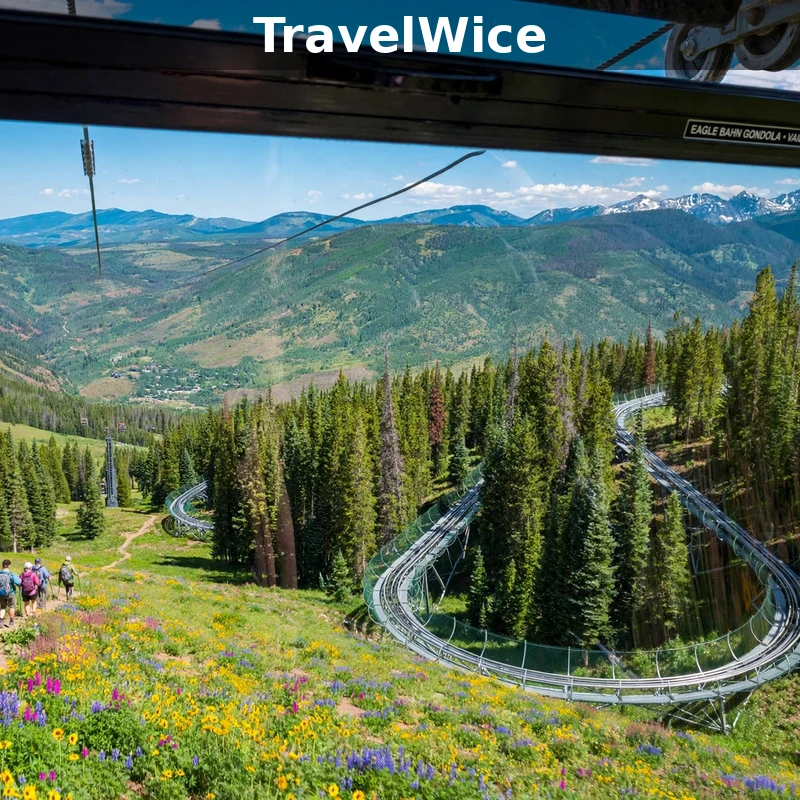
Epic Discovery, at Eagle’s Nest at the top of the Eagle Bahn Gondola, is the centrepiece of summer. It includes the Forest Flyer Mountain Coaster, a 3,400-foot alpine coaster where riders control their own speed, a summer tubing hill with 550-foot lanes, a 35-foot climbing wall, a bungee trampoline, a children’s zipline and mini-golf at the base in Lionshead.
Practical Tips: Getting There, Altitude, Packing and Saving Money
Getting There and Getting Around
Most visitors fly into Denver International Airport, about 120 miles east of Vail, and drive west on Interstate 70. The drive takes about two hours in good conditions and considerably longer in a snowstorm or on a busy weekend. Allow extra time, check road conditions before you leave Denver, and consider a shuttle such as Epic Mountain Express, reported at about $100–$150 per person round trip, rather than driving yourself in winter conditions.
Altitude: Take It Seriously
Vail Village sits at about 8,120 feet, and the summit is 11,570 feet. That altitude affects almost everyone on the first day, even fit skiers. Symptoms include headache, nausea, fatigue, poor sleep and shortness of breath. Drink more water than usual, avoid alcohol on your first night, eat regular meals, and take it easy on your first day — ski for a few hours, not a full day. If symptoms are severe or do not improve, seek medical advice promptly and consider descending to a lower elevation.
What to Pack and Rent
Pack layers, not one heavy jacket: a base layer, a mid-layer fleece and a waterproof outer layer let you adjust as the temperature changes. Bring sunscreen and lip balm with sun protection, because the sun is strong at altitude and reflects off the snow. Goggles are essential on a storm day, sunglasses are enough on a bluebird day, and a helmet is strongly recommended. Renting gear in Vail is convenient but expensive: a basic ski package was reported at about $50–$70 a day in Vail Village, and about $30–$50 a day if you rent in Avon or Denver before you drive up.
Saving Money Without Spoiling the Trip
Vail is expensive, and a mid-range trip for two people over five days can easily reach $5,000 or more, including lift tickets, lodging, food and gear. The biggest savings come from decisions you make before you travel: buy a pass or advance tickets early, book lodging 46 or more days ahead, stay in Avon or West Vail instead of the village, cook some meals in a condo kitchen, and rent gear outside the village.
References
- Colorado.com guide to Vail — the official state guide to Vail.
- Colorado.com skiing and snowboarding guide — Colorado ski areas and season length.
- White River National Forest page for Vail Ski Resort — Vail on White River National Forest land.
- National Weather Service forecast for Vail — the official Vail forecast.
Quiz: Test Your Vail Knowledge
1. How many skiable acres does Vail Mountain offer?
- A. 2,785 acres
- B. 5,317 acres
- C. 3,450 acres
2. Which bowl is the best first bowl for a strong intermediate skier?
- A. Siberia Bowl
- B. Inner Mongolia Bowl
- C. China Bowl
3. What is usually the cheapest way to ski Vail for four to seven days?
- A. Buying a walk-up ticket each morning
- B. Buying an Epic Day Pass in advance
- C. Buying a single-day ticket at the window on a holiday
4. When did Vail Mountain open for the 2025–26 ski season?
- A. 14 November 2025
- B. 13 November 2026
- C. 7 November 2025
5. What is the summit elevation of Vail Mountain?
- A. 8,120 feet
- B. 10,350 feet
- C. 11,570 feet
Quiz Answers
- B — 5,317 acres
- C — China Bowl
- B — Buying an Epic Day Pass in advance
- A — 14 November 2025
- C — 11,570 feet