
Acadia National Park Guide 2026: Cadillac Sunrise & the Rocky Coast
I flew into Bangor on a grey September morning. An hour later I stood on the rocks at Otter Point. Cold spray hit my face, and pink granite sat under my shoes. That first hour set the tone for my whole trip. Acadia packs mountains, forest, lakes, and a wild Atlantic coast into one small park. You can hike a peak in the morning and eat lobster on a dock by noon. This Acadia National Park guide covers the trip I actually took: the sunrise I booked and the roads I drove. It also covers the hikes that tired my legs and the mistakes I would skip next time.
TL;DR: Give Acadia three full days, and base in Bar Harbor so you can walk to dinner and catch the free shuttle. Book a Cadillac Mountain vehicle reservation the moment your dates open, and buy your $35 entrance pass online before you arrive. Drive the Park Loop Road early, hike the Beehive before lunch, and save Jordan Pond for a slow afternoon. Budget about $285 a day mid-range, with the hotel taking the biggest share.
Why Acadia Feels Different
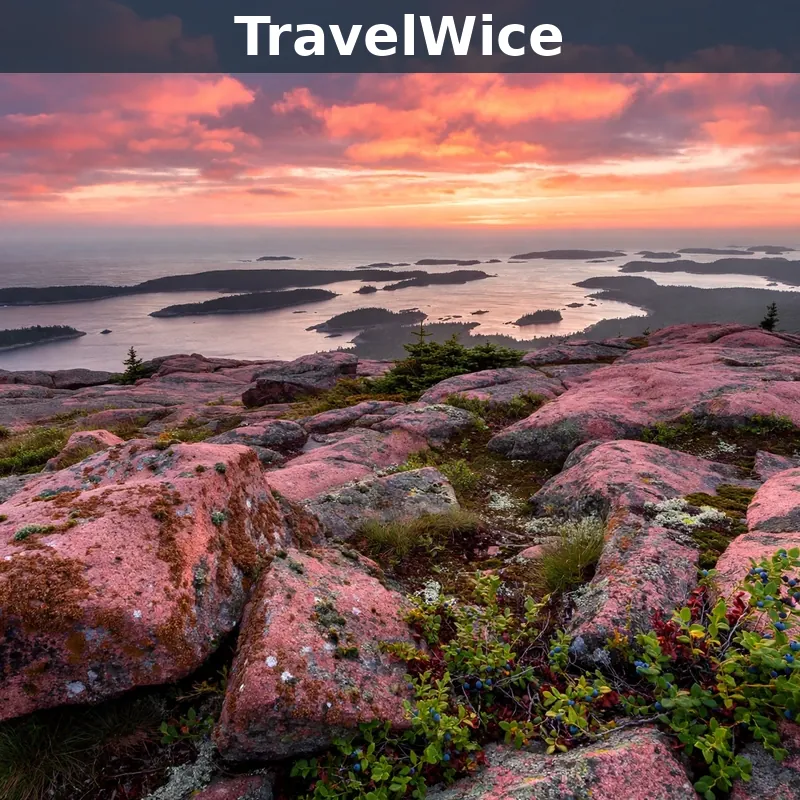
Also, Mount Desert Island holds the whole park in one hand, and the sea never leaves the picture. After that, Granite peaks rise straight out of the Atlantic. Spruce forest covers the valleys, and freshwater ponds sit a ten-minute walk from salt water. The island splits into two halves around Somes Sound, a fjard that cuts deep into the land. I hiked up a mountain in the morning and swam in a lake after lunch. Then I watched the tide pull back from a cobble beach before dinner. Few parks switch scenes that fast, and none of them do it on an island this small.
In fact, Acadia covers about 49,075 acres, and more than four million people visit each year. The park feels busy and wild at the same time. On top of that, October brings the fall color crowds, July brings families, and June brings fog that burns off by ten. I went in September, and I found warm days, cool nights, and parking spots I could actually use. Pick your month with care, because the park changes its mood every few weeks.
Getting There and Getting Around
Meanwhile, I flew into Bangor International Airport, and the drive to Bar Harbor took about an hour on quiet roads. In addition, Portland sits about three hours south, and Boston sits about five hours south. Bangor wins unless you want a road trip down the coast. Hancock County-Bar Harbor Airport takes small flights from Boston in summer, and the ride into town takes fifteen minutes. Book the rental car early, because Bar Harbor runs short of cars in July and August. Some visitors pair Maine with a city stop first, and our New York travel guide for 2026 covers that side of the trip.
You want a car for the first day, and you want to leave it parked after that. For example, the Park Loop Road lots at Sand Beach, Thunder Hole, and Jordan Pond fill by nine in the morning in summer. At the same time, cars crawl along the loop between ten and four. The visitor center lot fills too, so arrive early or ride the shuttle from town. I drove the loop once at dawn, and I rode the shuttle for everything after that. Bar Harbor itself stays walkable, and most hotels sit within a few blocks of the waterfront.
The Island Explorer Shuttle
After that, buses run free from late June through Columbus Day. They link Bar Harbor with the visitor center, the campgrounds, and the main trailheads. Some routes start on May 20, so check the schedule for your dates before you plan around them. I rode the Sand Beach route in the morning. I hopped off at Thunder Hole without touching my car keys. The buses carry bikes on front racks, and that trick turns a one-way hike into an easy loop.
Cadillac Mountain Sunrise
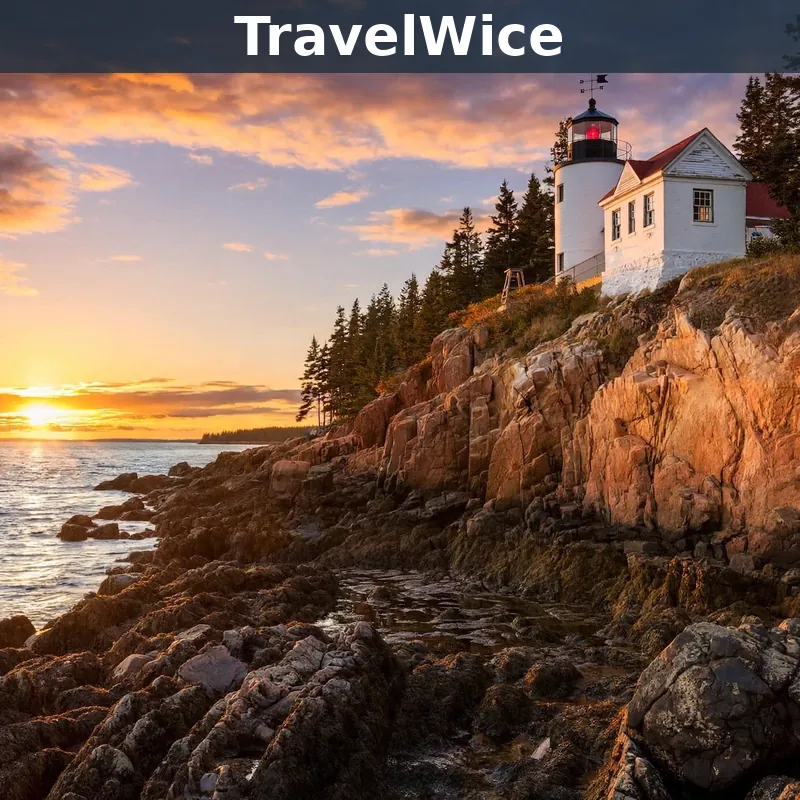
On top of that, my alarm went off at 3:30 in the morning. I drove up the three-mile summit road in the dark with a thermos of coffee in the cup holder. Cadillac Mountain stands 1,530 feet high, and it holds the highest point on the Atlantic coast of the United States. From fall through early spring, the summit sees the first sunrise in the country. In June the sun rises around 4:45 in the morning. I reached the top with an hour to spare. I watched the sky turn pink over the ocean while the islands below woke up one by one.
In addition, the view rewards the early start, and the crowd stays polite and quiet up there. Bring a warm layer even in August. The wind cuts across the bare granite, and the temperature drops fast before dawn. I wore a fleece and a rain shell, and I still wished for gloves. Stay after the sun clears the horizon. The light on the pink granite lasts about twenty minutes, and the crowds thin out fast. The summit road bans vehicles over 21 feet. Leave the RV in Bar Harbor and take the shuttle or a taxi to the top. If you love sunrise summits, our Bryce Canyon National Park guide covers a desert dawn over the hoodoos.
Booking the Reservation
At the same time, you need a vehicle reservation to drive Cadillac Summit Road from May 20 through October 25, 2026. The park sells them only on the Recreation.gov site. Each slot costs $6 on top of your entrance pass, and you cannot buy one at the park. About 30 percent of slots open 90 days ahead. The rest open at 10 in the morning Eastern time two days ahead. Sunrise slots give you a 90-minute entry window and one per vehicle each week. Daytime slots give you 30 minutes and one per day. I booked mine two days ahead at 10 sharp, and the sunrise slots went fast.
The Park Loop Road
Still, driving the loop gives you the whole park in one slow morning. I took three to four hours with stops. The road runs 27 miles, and much of it runs one way. You follow the flow and pull off at the overlooks in order. The road closes on December 1, and it reopens on April 15 if the weather allows. A two-mile stretch stays open all year. I drove it at sunrise, and I had the overlooks to myself until the tour buses woke up.
First, start at the Hulls Cove Visitor Center for a map and a bathroom, then follow the signs toward Sand Beach. The one-way stretch keeps traffic moving. A missed turn costs you a full loop, so watch the signs at each junction. I missed the Jordan Pond turn on my first drive, and I spent twenty minutes circling back through the trees. Slow down for bikes, because cyclists share the road and the curves hide them well. Yosemite runs a similar one-way valley loop in summer, and our Yosemite National Park guide covers how that shuttle works.
Thunder Hole and Sand Beach
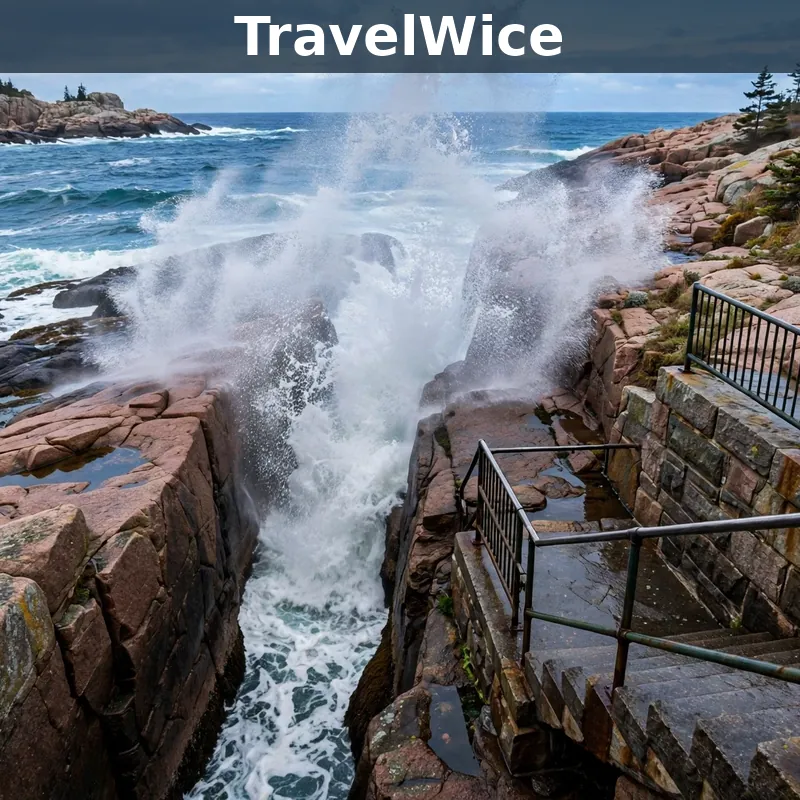
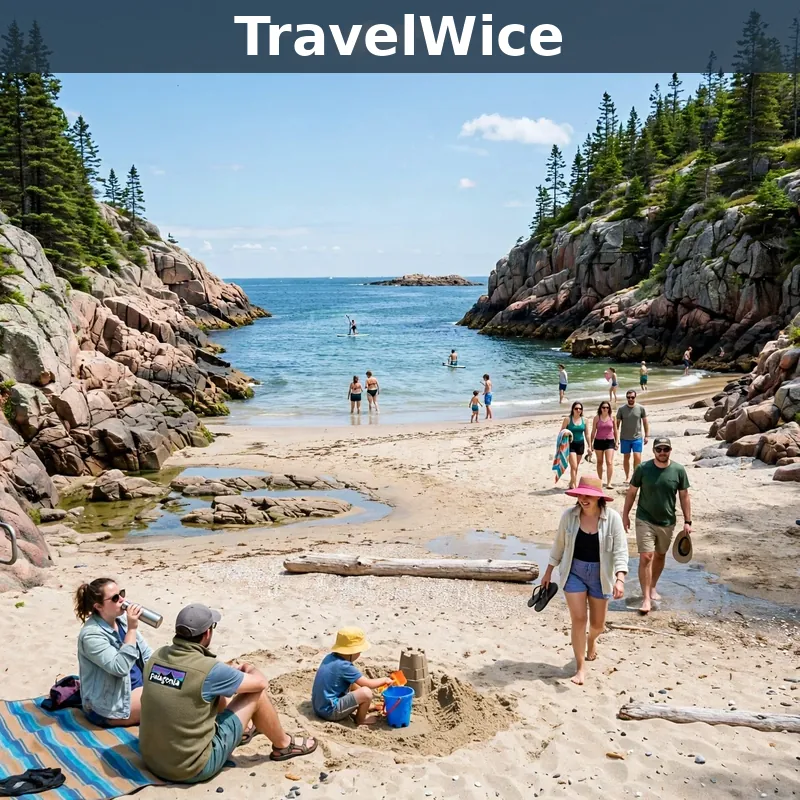
Next, waves crash into a narrow rocky inlet at Thunder Hole. The spray shoots into the air with a boom you feel in your chest. Time your visit for the two hours before high tide, when the waves hit hardest. Stand behind the rail, because the rocks stay slick and the sea surprises people every year. Sand Beach sits a short drive away. Its sand comes from crushed shells, so it feels soft and pale underfoot. The water stays cold, near 55 degrees even in August. I waded in up to my knees and came straight back out.
Jordan Pond and the Popovers
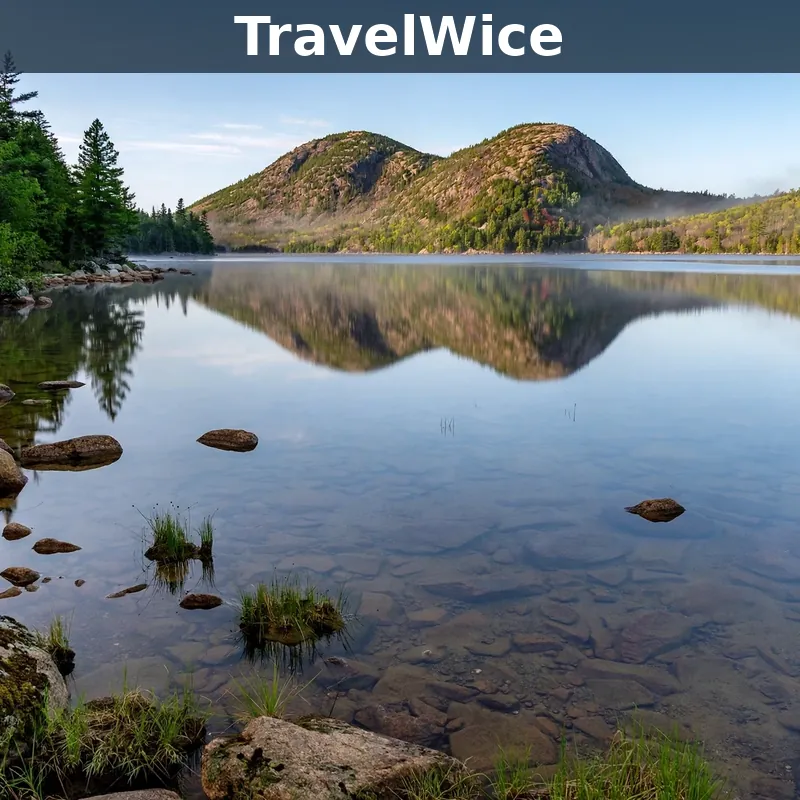
Then, lunch at Jordan Pond House means popovers and tea on a lawn above the water. The restaurant has served them since the 1890s. It sits at the south end of the pond. The lawn tables face the water and the twin peaks called the Bubbles. Popovers arrive hot and hollow, with butter and jam. The view across the pond to the Bubbles does the rest. Book a table ahead in summer, because the lawn fills fast and the wait runs long by noon. I booked two days ahead, and I still waited twenty minutes for a lawn table.
In the end, the pond loop runs about three miles, and it stays mostly flat. I walked it after lunch with my shoes still dusty from the morning hike. Wooden planks carry the trail over the marshy shore. The water stays so clear you can see the bottom near the edge. Carry water, because the sun hits the open stretch hard by midday. The loop ends back at the restaurant, and that makes the second popover easy to justify. The pond reminded me of the lakes in our Grand Teton National Park guide, only smaller and closer to the sea.
Hiking the Beehive and the Bubbles
My legs still remember the Beehive, and I mean that as praise. Also, the trail climbs about 500 feet in less than a mile. Iron rungs and granite steps carry you up the cliff face with the ocean behind you. The rungs date back to the trail’s early days, and they still feel solid underfoot. Skip it if heights bother you, because the ledges stay narrow and the drop stays real. I went up at seven in the morning. I shared the summit with four other hikers and a view across Frenchman Bay.
In fact, the South Bubble trail gives you a gentler climb. It ends at Bubble Rock, a boulder balanced on the edge of the cliff like a joke. The walk takes under an hour from the Jordan Pond lot, and families with kids handle it well. I sat by the rock for twenty minutes. I watched the pond shine below while the wind moved through the spruce. For a longer day, link the Bubbles with the Jordan Pond loop and call it a morning. The Beehive climbs fast for a small mountain. The thin air in our Rocky Mountain National Park guide makes the same climb feel twice as hard.
Biking the Carriage Roads
Meanwhile, Rockefeller built 45 miles of broken-stone carriage roads through the park between 1913 and 1940, and cars never touch them. The roads run wide and smooth, with stone bridges over the streams, and they suit bikes, walkers, and horses. I rented a bike in Bar Harbor for the morning. I rode the Eagle Lake loop in about two hours with stops for photos. E-bikes rent in town too, and they flatten the gentle hills nicely.
Schoodic Peninsula
For example, most visitors never cross to Schoodic, and that gap makes it the quiet half of the park. The peninsula sits about an hour from Bar Harbor by road. Its six-mile loop road follows the shore past crashing waves and spruce forest. The loop road passes a spruce forest and a rocky shore that looks wilder than the main park. The picnic areas sit right on the water. I drove it on my third day, and I parked at Schoodic Point for an hour without seeing another car. The waves hit the rocks hard here, and the spray hangs in the air long after each set.
Bring lunch, because Schoodic has no restaurant and the nearest town sits a drive away. After that, the Winter Harbor side gives you a small fishing village with a lobster pound and a quiet harbor. I ate a lobster roll on a picnic bench there, and it cost less than the ones in Bar Harbor. If the main park feels crowded, Schoodic resets your whole trip. For a wilder coast, our Olympic National Park guide covers 73 miles of Pacific beach.
The Ocean Path and Otter Cliffs
I walked the Ocean Path on my second morning, and it gave me the best easy miles in the park. On top of that, the trail runs about two miles from Sand Beach to Otter Point. It stays mostly flat, with granite steps and wooden rails along the shore. Waves break on the rocks below, and the pink granite glows in the morning light. I stopped at every overlook, and I still finished in under two hours with coffee in hand.
In addition, Otter Cliffs rise 110 feet above the sea at the far end, and they draw climbers on calm days. I watched a pair of climbers work the rock face while gulls circled below them. The cliffs face the open Atlantic, and the wind hits hard. Hold your hat and keep kids close to the rail. The path stays easy enough for kids, and the railings keep everyone back from the edge. Turn back at Otter Point, or catch the shuttle from the lot there and ride back to the beach.
Bar Harbor: Lobster and Rainy Days
At the same time, rain falls on Mount Desert Island often, and Bar Harbor handles a wet day well. I spent one grey afternoon in the shops on Main Street. I ducked into the Abbe Museum for an hour of Wabanaki history and craft. The waterfront gives you whale-watch boats in summer, and a ticket costs about $60 to $85 for a half-day trip. Humpbacks, finbacks, and minkes feed offshore in summer, and the boats run from late May through October. I skipped the boat when the fog rolled in, and I ate lobster instead, which felt like the right call.
Still, lobster rolls run about $25 to $35 in town. The best ones come from the shacks near the pier, not the white-tablecloth rooms. I ate mine standing up with butter on my chin. I paid $28 for a roll stuffed full enough to need two hands. For dinner, book ahead in summer, because the good rooms fill by six. The shops stay open late in July, and the ice cream stands draw a line down the block. Bar Harbor sleeps early in September, and the streets go quiet by ten.
Acadia at a Glance
First, here is the short version of my trip, with the costs and the timing that mattered most.
| Place | Best for | Cost or note | My tip |
|---|---|---|---|
| Cadillac Mountain | Sunrise, views | $6 reservation + pass | Book two days ahead at 10 |
| Park Loop Road | Scenic drive | Included with pass | Drive it at dawn |
| Jordan Pond | Easy loop, lunch | Lunch $20–$30 | Book a lawn table |
| Thunder Hole | Waves, spray | Free with pass | Go before high tide |
| Sand Beach | Swimming, sun | Free with pass | Wade, do not dive in |
| Carriage roads | Biking, walking | Bike rental $35–$50 | Ride Eagle Lake loop |
| Schoodic Peninsula | Quiet coast | Free with pass | Bring your own lunch |
Chart: Where a Mid-Range Acadia Day’s Money Goes
Next, this chart breaks down a mid-range Acadia day of about $285 a person. You can see which cost runs the trip.
Then, hotel, about $150 a night: ██████████████████████████ 53%.
Food, about $65 a day: ████████████ 23%.
Car rental, about $45 a day: ████████ 16%.
Tours and tickets, about $15 a day: ███ 5%.
Park fees and tips, about $10 a day: ██ 3%.
In the end, the hotel is the story, at close to half the daily spend. Bar Harbor rooms climb fast in July and August. Food comes second, and a lobster roll at $28 keeps lunch honest while dinner does the damage. The car costs less than the room. It pays for itself with the freedom to reach Schoodic and the sunrise road. Park fees stay small, and the shuttle costs nothing, so the park itself stays the cheapest part of the trip.
A Three-Day Acadia Plan That Works
Also, day one is the Loop Road. Drive it at dawn, stop at Thunder Hole before high tide, and swim or wade at Sand Beach before lunch. Eat in Bar Harbor, then ride the shuttle to the Beehive in the late afternoon when the crowds thin. Day two starts before sunrise on Cadillac Mountain. It ends with popovers at Jordan Pond and a bike ride on the carriage roads. Day three belongs to Schoodic, with a slow drive, a picnic lunch, and a last lobster roll in Winter Harbor.
For the full parks picture, start with our best national parks in the USA for 2026 before you pick your next trip. In fact, if Maine leaves you hungry for geysers, our Yellowstone National Park guide covers the Grand Loop and Lamar Valley. For desert light instead of ocean fog, read our Arches National Park guide and plan a Utah spring.
What to Pack
Meanwhile, pack layers for the summit wind and a rain shell for the afternoon showers. Bring hiking shoes with grip for the wet granite. I packed binoculars for the whale boats and the peregrine falcons, and I used them twice a day. Bring a power bank, because the cold wind drains a phone fast on Cadillac Mountain. Leave the fancy shoes behind, because Bar Harbor runs on sandals and trail shoes.
Staying Safe on the Coast and the Trails
For example, granite gets slick when wet. The Beehive rungs demand dry hands and good shoes, so skip the climb in rain. Waves at Thunder Hole and Otter Cliffs have swept visitors off the rocks. Stay behind the rails and watch the tide, not your camera. Ticks live in the tall grass, so check your legs after the carriage roads. Check the Acadia National Park alerts each morning, because fog and wind shift the plan fast.
References
- Acadia National Park — Cadillac Mountain reservations, entrance fees, and park alerts.
- Recreation.gov — Cadillac Mountain vehicle reservations and pass sales.
- America the Beautiful passes — annual, senior, and military pass details.
- National Park Service — national park passes and visitor information.
Acadia National Park Guide Quiz
Test what you picked up from this guide before you book.
1. When do you need a vehicle reservation for Cadillac Mountain, and what does it cost?
- A) Drive up all year, free at the park gate.
- B) Book May 20 to October 25, for $6 on Recreation.gov.
- C) Visit June to August only, for $35 at the summit.
2. How long is the Park Loop Road, and how much time should you plan?
- A) Only 10 miles, with one hour and no stops.
- B) Nearly 50 miles, with a full day of driving.
- C) About 27 miles, with three to four hours for stops.
3. What are the carriage roads, and how long is the network?
- A) Drive 10 miles of paved roads open to cars.
- B) Walk 45 miles of car-free stone roads built by Rockefeller.
- C) Ride 100 miles of dirt tracks for jeeps only.
4. What does Acadia entry cost, and does the non-resident surcharge apply?
- A) Pay $35 a vehicle for seven days, plus $100 a person for non-US residents 16 and older.
- B) Enter free with no pass and no extra charges.
- C) Spend $15 a vehicle for one day, with no extras.
5. How do you get around Acadia without a car in summer?
- A) Drive the Park Loop Road after dark for free parking.
- B) Park at Sand Beach at noon for the best spot.
- C) Ride the free Island Explorer shuttle from late June to Columbus Day.
Quiz Answers
-
B) Book May 20 to October 25, for $6 on Recreation.gov. — The reservation window runs May 20 to October 25. Recreation.gov sells each slot for $6 on top of the entrance pass.
-
C) About 27 miles, with three to four hours for stops. — The Park Loop Road runs 27 miles. Plan three to four hours with stops.
-
B) Walk 45 miles of car-free stone roads built by Rockefeller. — Rockefeller built 45 miles of broken-stone carriage roads between 1913 and 1940. Cars never use them.
-
A) Pay $35 a vehicle for seven days, plus $100 a person for non-US residents 16 and older. — Entry costs $35 a vehicle for seven days. Non-US residents 16 and older pay an extra $100 a person at Acadia.
-
C) Ride the free Island Explorer shuttle from late June to Columbus Day. — The free Island Explorer shuttle runs from late June through Columbus Day. It links Bar Harbor with the trailheads.