

Hamptons Travel Guide 2026: Beaches, Villages & Vineyards
My first Hamptons trip started with a mistake I still laugh about. I drove out from Manhattan on a Friday in July, left at 4 p.m. because I thought two hours was plenty, and sat on the Long Island Expressway so long that I watched the sun go down from the driver’s seat somewhere near Riverhead. I arrived in East Hampton at 9:30 p.m., hungry, tired, and $40 poorer for a sandwich I ate standing up. The next morning I walked onto Main Beach at 8 a.m., the sand was empty, the water was cold and clear, and I understood in about ten seconds why people put up with the traffic. This Hamptons travel guide is the trip I wish I had read before that drive: which beaches are actually worth the parking fee, how the village system works, where to eat without spending a fortune, and how to get out east without losing half your weekend to Route 27.
TL;DR: The Hamptons are a string of villages along Long Island’s South Fork, about 100 miles east of Manhattan. Come June to September for the beach, or September to October for warm water and thinner crowds. Budget for parking: daily beach parking runs $40–$55 at most town and village beaches, and a non-resident season permit costs $500–$750. Do not miss Coopers Beach in Southampton, Main Beach in East Hampton, the Montauk Lighthouse, Sag Harbor, a farm stand in Sagaponack, and a tasting at Wölffer Estate. Take the LIRR or the Hampton Jitney if you do not want to drive, and never leave Manhattan on a summer Friday afternoon.

What the Hamptons Actually Are
The Hamptons are not one town. They are a string of villages and hamlets stretched along roughly 35 miles of Atlantic coastline on the South Fork of Long Island: Westhampton Beach, Quogue, Hampton Bays, Southampton, Water Mill, Bridgehampton, Sagaponack, East Hampton, Amagansett, and finally Montauk at the very tip. Each one has its own main street, its own beach rules, its own parking permits, and its own personality. Southampton feels old and grand, with wide streets and houses behind hedges. East Hampton feels polished and busy, with boutiques and cafes along Main Street. Sag Harbor feels like a working harbour town that happens to be beautiful. Montauk feels like the end of the line in the best way — windier, rougher, more about fishing boats and surf than dinner reservations.
The name carries a lot of baggage. People hear “Hamptons” and picture celebrities and $30 million houses, and yes, those houses exist — you will see them behind the dunes on Meadow Lane and Gin Lane in Southampton. But the beaches themselves are public, the farm stands sell sweet corn for a few dollars, and a lot of the best days out here cost almost nothing once you have solved the parking question. I have had a better time eating a lobster roll on a bench in Montauk than at any white-tablecloth dinner in East Hampton, and I am not being cute about that. The lobster roll was $28, the bench was free, and the view was the harbour.
The geography matters for planning. The South Fork faces the open Atlantic, so the ocean beaches are wide, white-sand, and often wavy, with water that stays cold until July and warms into the low 70s by August. The bay side — Sag Harbor, Noyac, North Haven — is calmer, warmer, and better for small kids and kayaks. The whole strip is flat, which makes it great for cycling, and the distances are short once you are out there: Southampton to East Hampton is about 20 minutes by car without traffic, East Hampton to Montauk about 25. The hard part is always getting there from the city, and getting a parking spot once you arrive. Our New York travel guide for 2026 puts the Hamptons in the wider picture of a New York trip, and our New York City travel guide for 2026 covers the city most visitors start from.
Best Time to Visit the Hamptons
June to September is beach season, and July and August are the peak of it. The water is warmest in August, the farm stands are full, the villages are open late, and every beach lot fills by 10 a.m. on a sunny Saturday. It is also the most expensive and most crowded time to come, and the Friday drive out can take five hours. If you can choose, I would pick September. The water is still warm, the air is softer, the crowds thin out after Labor Day, and the light in the late afternoon turns the dunes gold. I have had September beach days here that felt like a private beach, with the same sand and the same ocean and a third of the people.
May and June are lovely in a different way. The water is cold — mid-50s in late May, so swimming is for the brave — but the villages are waking up, the restaurants are easier to book, and the hotel rates are lower than July. Late May brings Memorial Day weekend, which is the unofficial start of the season, and the first farm stands open with asparagus and strawberries. October is my second-favourite month after September. The water cools, but the days are still warm enough for a walk on the beach, the pumpkin stands are out, and the wineries are in harvest. Wölffer Estate’s tasting room stays open year-round, and a November tasting with the vines bare and the fire going has its own quiet appeal.
Winter is the Hamptons at their emptiest. Many restaurants and shops close or cut hours from January to March, the wind off the Atlantic is sharp, and the villages feel like small towns again — which some people love and some find dull. If you come in winter, come for a long walk, a fireplace, and a meal, not for the beach. Check the National Weather Service forecasts before you go, because a summer thunderstorm can roll in off the ocean fast, and a nor’easter in the off-season can close roads near the water.
Getting to the Hamptons and Getting Around
There are four ways out east, and the right one depends on your patience and your wallet. Driving from Manhattan to East Hampton is about 105 miles and roughly three hours when traffic cooperates, and Montauk is about 120 miles. The route is the Long Island Expressway to Route 27, and on a summer Friday afternoon that drive can stretch past five hours. I learned this the hard way, and now I leave before noon on Fridays or I do not drive at all. Once you are out there, you will want a car — the villages are spread out, the farm stands and wineries are on back roads, and rideshares thin out fast after dark. Parking in the villages is metered and tight in summer, so carry coins and the ParkMobile app on your phone.
The Long Island Rail Road is the option I recommend most. The Montauk Branch runs from Penn Station and Grand Central Madison through Jamaica to Westhampton, Hampton Bays, Southampton, Bridgehampton, East Hampton, Amagansett and Montauk. A one-way fare runs about $22 to $35 depending on peak and off-peak, and the ride is roughly 2 hours 15 minutes to Southampton, 2 hours 40 minutes to East Hampton, and just under three hours to Montauk. Most trips change trains at Jamaica, which adds about 15 minutes. In summer the Cannonball express runs east on Thursday and Friday afternoons and west on Sundays, reaching Westhampton in about 92 minutes for $33 one-way in the 2026 season. Buy your ticket before boarding — tickets bought from the conductor usually carry a surcharge. The train drops you in the village, and from there you walk, cycle, or take a taxi to the beach.
The Hampton Jitney is the classic coach, running from pickup stops along Lexington Avenue in Manhattan — 40th, 59th, 69th and 86th streets — and a few Brooklyn stops, straight to the villages. A one-way Montauk Line ticket was $43 prepaid online or $51 on board in 2026, and the ride takes two to three and a half hours depending on traffic and stops. The Ambassador upgrade, with wider 2+1 seating, runs about $65 to $80. The Jitney is comfortable, has Wi-Fi, and drops you closer to your destination than the train does, but it sits in the same Friday traffic as every car on Route 27. Book ahead on summer weekends; the popular Friday departures sell out.
Once you are in the Hamptons, a bike is the best way to move between a village and its beach. The land is flat, the roads have wide shoulders in places, and several shops rent bikes by the day. I cycled from Sag Harbor to the bay beach at Havens one morning and it took fifteen minutes, most of it along quiet streets with hedges and old houses. Just remember the wind: the ride out to Montauk Point is easy with a tailwind and a workout coming back. The I LOVE NY official tourism site has current transport information and seasonal timetables for the East End.
The Beaches: Which Ones Are Worth It
This is the part nobody explains clearly, and it is the part that costs visitors the most money. Hamptons beach parking is run by towns, villages, Suffolk County and the state, and a permit from one does not work at another’s beach. The season runs roughly May 15 to September 15, and outside those dates the lots are mostly open to everyone. A Southampton Town non-resident season permit cost $500 in 2026, with daily parking at $40 through an app at five town beaches. A Village of East Hampton non-resident season permit cost $750, capped at 3,100 permits, and daily parking at Main Beach Lot 2 and Two Mile Hollow was $50, Monday to Thursday only, through ParkMobile. Coopers Beach in Southampton Village charged $55 a day. One useful rule: in East Hampton Village you can park at any village beach before 9 a.m. and after 6 p.m. without a permit, which is how the early swimmers and the sunset walkers get in free.
Coopers Beach, Southampton
Coopers Beach, at the end of Meadow Lane in Southampton Village, was named the number one beach in America by Dr. Beach — the coastal scientist Stephen Leatherman, who has ranked American beaches on 50 criteria since 1991 — in 2010 and again in 2025, and it has sat in his top five every year since 2017. The sand is wide, white quartz, about 300 feet from the dunes to the water at low tide, backed by dunes covered in beach grass and the big houses of Meadow Lane. Lifeguards are on duty from 10 a.m. to 5 p.m. in season, there is a bathhouse with restrooms and changing rooms, a concession stand, and chair and umbrella rentals. The water runs from the mid-50s in late May to the low 70s by August. Parking is the catch: $55 a day for non-residents in season, and the lot fills early on summer weekends. Go on a weekday, or arrive before 10 a.m., and walk a little further east along the sand for space. I have never regretted paying the $55. I have regretted arriving at noon on a Saturday and circling for forty minutes.
Main Beach, East Hampton
Main Beach, at the end of Ocean Avenue in East Hampton Village, ranked number five on Dr. Beach’s 2025 list, and it is the beach most people picture when they picture the Hamptons: wide sand, a white pavilion with a snack bar and restrooms, lifeguards, and a long, gentle shoreline. It is also the most scene-conscious beach out east — the parking lot has its share of expensive cars, and the crowd dresses like it knows it is being looked at. Ignore all of that. The beach itself is excellent, the swimming is good, and the walk east toward Georgica is one of the prettiest stretches of sand on Long Island. Daily parking was $50 Monday to Thursday in 2026 through ParkMobile, and the $750 season permit sells out fast when it goes on sale in late January or early February. Before 9 a.m. and after 6 p.m., parking is free, and the 7 a.m. swim here — cold water, empty sand, gulls — is one of my favourite things in New York.
Ditch Plains and Montauk’s Rougher Edge
Ditch Plains, just west of Montauk Point, is the surf beach. The waves break over a rocky shelf, the crowd is younger and scruffier than anywhere else in the Hamptons, and the food truck at the top of the stairs does a brisk trade in breakfast sandwiches. Parking here is for town residents only in season, which catches a lot of first-timers out — do not drive here expecting to park. Walk in from the road, cycle, or take the bus. Montauk’s other beaches are easier: the town beach near the village has parking and lifeguards, and the long stretch of sand at Gin Beach, on the bay side, is calm and good for kids. Montauk feels different from the rest of the Hamptons because it is a working fishing town first and a resort second. The boats come in at dawn, the harbour smells of salt and diesel, and the restaurants serve fish that was in the water that morning.
The Cheaper Way In: County and State Beaches
If the village permit prices make your eyes water, Suffolk County’s beach parks charge $18 per vehicle for non-residents — Cupsogue in Westhampton, Meschutt in Hampton Bays, and Shinnecock East on Meadow Lane. They are simpler beaches: fewer facilities, no scene, good sand and good water. Montauk Point State Park charges $8 for parking between 8 a.m. and 4 p.m., and that gets you the lighthouse grounds, the rocky point, and the trails along the bluffs. For a family on a budget, the county beaches are the smart play. You get the same Atlantic, the same sand, and you keep $30 in your pocket for lunch.
Montauk: The End of Long Island
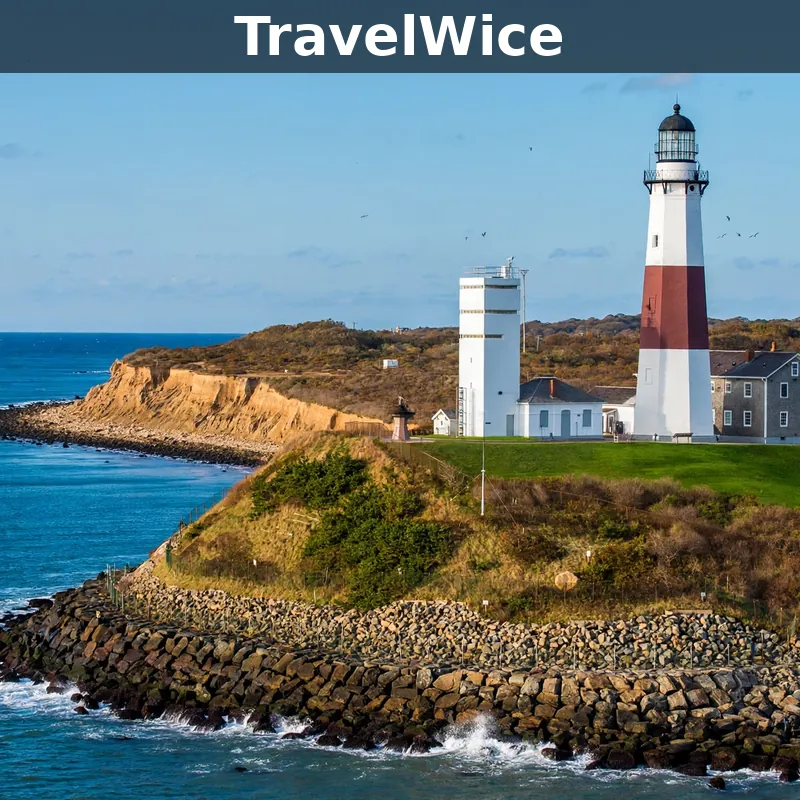
Montauk is 120 miles from Manhattan and it feels like the end of the world in the best way. The town sits where Long Island runs out, with the Atlantic on one side and Block Island Sound on the other, and the wind never really stops. The Montauk Point Lighthouse, at 2000 Montauk Highway, was built in 1796 and is the oldest lighthouse in New York State. Admission in 2026 was $15 for adults, $10 for seniors, and $5 for children under 12, with $8 parking in the state park lot between 8 a.m. and 4 p.m. The tower is 110 feet tall with 137 iron steps, and the view from the top takes in the ocean in three directions. Go on a weekday if you can — on a summer weekend the line for the tower can run 30 to 40 minutes. The museum in the 1860 keeper’s house is small and worth twenty minutes, and the grounds are free to walk after 4 p.m. when the parking fee ends.
The harbour is the other half of Montauk. Walk the docks in the morning and you will see the fishing boats unloading, the charter boats heading out, and the gulls doing their usual loud business. The seafood shacks along the harbour are where I eat every time I am here — a lobster roll, a cup of clam chowder, eaten outside with the boats behind you. Gosman’s Dock is the big complex, with restaurants, shops and a fish market, and it gets busy on summer evenings. Camp Hero State Park, just west of the lighthouse, has bluff trails with long views and the concrete remains of a Cold War radar station, which gives the walk a strange, interesting edge. The hike from the lighthouse west along the bluffs is about two miles of wind, grass and ocean, and it is the best free walk in the Hamptons.
The Villages at a Glance
Each village has its own feel, and picking the right base matters more than picking the right hotel. This table is my honest summary.
| Village | Best for | Feel | Getting there from NYC |
|---|---|---|---|
| Southampton | First-timers, classic beach days | Grand, old, hedged | LIRR ~2h 15m; drive ~100 miles |
| East Hampton | Boutiques, dining, Main Beach | Polished, busy, social | LIRR ~2h 40m; drive ~105 miles |
| Sag Harbor | Harbour walks, art, quieter days | Old whaling port, relaxed | LIRR to Bridgehampton + taxi |
| Bridgehampton | Farm stands, quieter beaches | Rural, low-key, spread out | LIRR ~2h 30m; drive ~100 miles |
| Amagansett | Surf, low-key stays, lobster rolls | Sleepy, local, unshowy | LIRR ~2h 50m; Jitney stop |
| Montauk | Fishing, surfing, lighthouse | Windy, working, end-of-the-line | LIRR ~3h; drive ~120 miles |
| Westhampton Beach | Families, calmer pace | Friendly, village-centred | LIRR ~2h; drive ~85 miles |
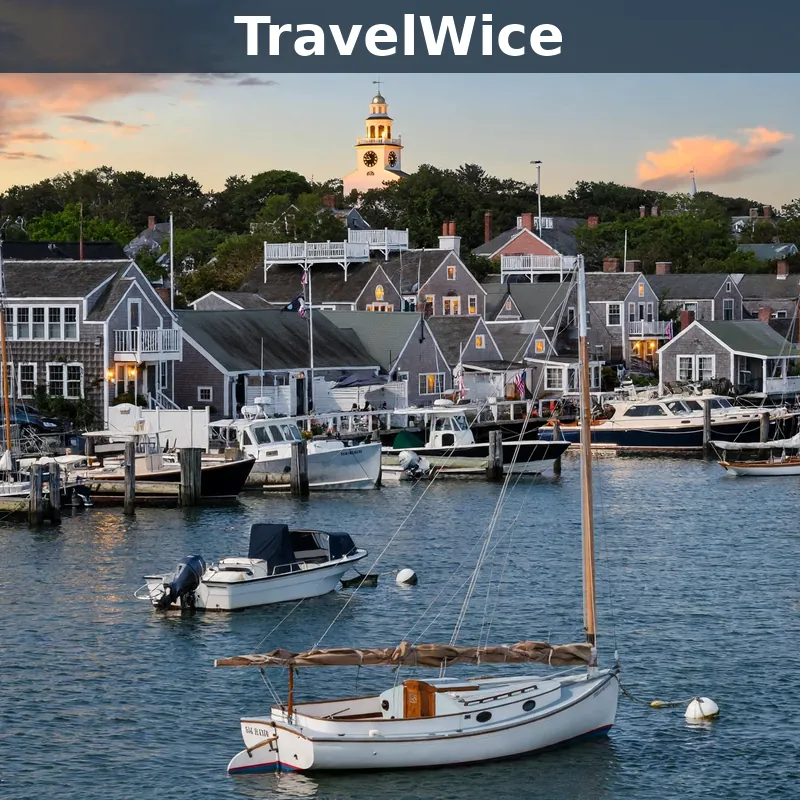
Southampton is the easiest first base — the village is walkable, the beach is the best in the country, and the restaurants on Main Street and Jobs Lane cover everything from a slice to a splurge. East Hampton is the best base if you want to be in the middle of things, but book early and expect to pay for it. Sag Harbor is my pick for a quieter trip: the harbour, the white church steeple, the bookshops and the old houses make it the prettiest village out east, and the bay beaches are calm enough for small children. Montauk is the pick if you want the ocean without the scene. If you are travelling with kids, our New York family vacation guide for 2026 has a full section on the Hamptons with children.
Farm Stands, Vineyards and the Other Hamptons
The Hamptons are still farmland, and that is the part I love most. The flat fields of Sagaponack and Bridgehampton grow corn, tomatoes, potatoes and pumpkins, and the farm stands along the back roads sell them at prices that feel like a different decade. I stop at every stand I pass in August. The corn is sweet enough to eat raw, the tomatoes smell like tomatoes, and a bag of peaches from a stand on Sagg Road is the best souvenir you can take home. Go early — the good stuff sells out by midday on Saturdays, and the stands are cash-friendly but most take cards now. The pumpkin stands in October are a whole event, with hay bales and corn mazes and families taking photos.
Wölffer Estate Vineyard, at 139 Sagg Road in Sagaponack, is the best-known winery out east, famous for its rosé and for a lawn framed by a windmill-topped tasting pavilion. The tasting room is open year-round — noon to 7 p.m. Monday to Thursday, 11 a.m. to 8 p.m. Friday and Saturday, 11 a.m. to 6 p.m. Sunday — and reservations are recommended, opening up to a month ahead. A guided wine and cheese pairing was $114 per person in 2026, a cellar tour and tasting $150, and a la carte flights ran about $38 to $50. The wine stand, a separate outdoor spot, is walk-in only and weather dependent, with glasses and bottles and no reservations. I like the lawn on a late afternoon in September: a glass of rosé, a cheese plate, the sun going down over the vines, and the whole place feeling like a party you were invited to. Channing Daughters in Bridgehampton and Duck Walk Vineyard South are the other two stops on most tasting routes, and both are smaller and more relaxed than Wölffer. Designate a driver — the roads out here are dark at night and the tasting pours add up.
The Parrish Art Museum in Water Mill is the cultural anchor of the East End, a long barn-like building full of art by the painters who worked out here for a century. It is a good rainy-day stop and a good break from the beach, and the grounds are worth a walk on their own. Sag Harbor’s whaling past is still visible in the old houses and the harbour, and the village’s bookshops and cafes make it the best place to spend a slow afternoon. Our Finger Lakes travel guide for 2026 covers New York’s other wine country if the tastings here leave you wanting more, and our Hudson Valley travel guide for 2026 covers the farm stands and river towns closer to the city.
Where to Stay in the Hamptons
Staying in the Hamptons is the most expensive part of the trip, and I will not pretend otherwise. Summer weekends book out months ahead, and the price gap between a July Saturday and a September Tuesday is enormous. The smartest move is to pick your village first and your dates second: a weekday stay in Southampton or Montauk in September can cost half what a July weekend in East Hampton does, for the same sand and better light. Small inns and motels are the classic Hamptons stay — family-run places with a pool, a lawn, and a front desk that knows the beach rules. The big resorts cluster around Montauk and Southampton, and the rental houses are everywhere, though most rent by the week in summer with Saturday-to-Saturday changeovers and a minimum stay.

If you are on a budget, look at Hampton Bays and Westhampton Beach, where the motels are simpler and the prices lower, and drive or take the train east for the day. Montauk has the most hotel rooms and the most variety, from fishing-town motels to newer boutique hotels, and it is the easiest place to find a room without booking six months out. Whatever you book, read the fine print: many places charge a resort fee, parking is extra at some hotels, and the cancellation rules in summer are strict. Ask before you book whether beach parking or a beach pass is included — a few hotels include a town permit, and that alone can save you $40 a day. For a wider trip, our Niagara Falls travel guide for 2026 covers the other end of the state at a very different price point.
What to Eat and Drink in the Hamptons
The food out east runs on three things: seafood, farm produce, and breakfast. The seafood is the point. Montauk’s harbour shacks serve lobster rolls, clam chowder, fried clams and fish that was caught that morning, eaten outside at a picnic table with the boats in view. A lobster roll runs about $25 to $30 at the harbour, more at a sit-down restaurant, and the difference is usually the view rather than the lobster. Clam chowder — New England style, creamy, with actual clams in it — is the safe order if you are unsure. The farm stands fill the other half of the plate: corn, tomatoes, peaches and, in the fall, apples and pumpkins, all of it grown within a few miles of where you are eating it.
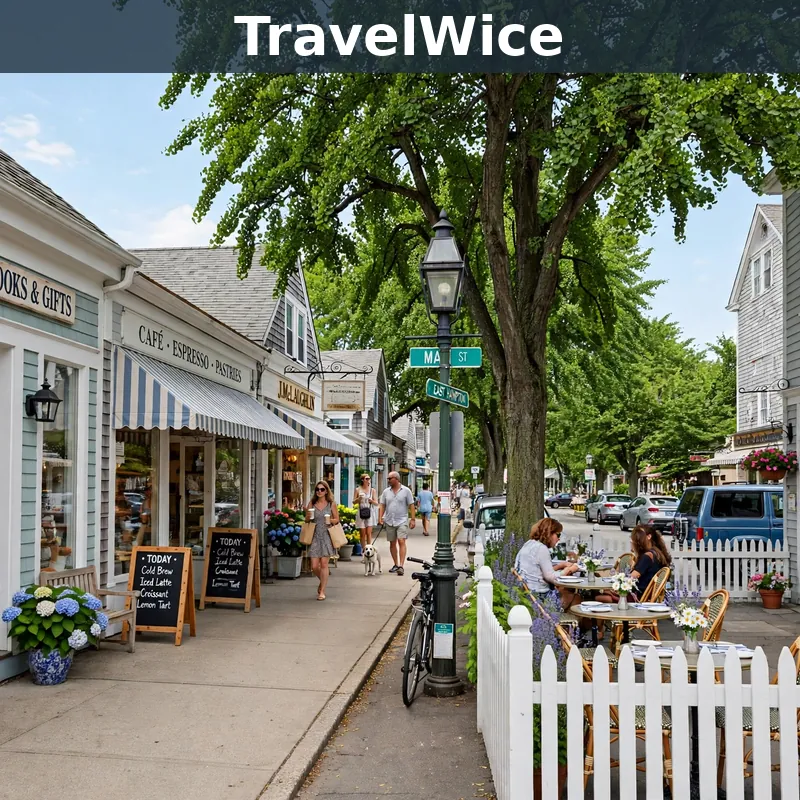
Breakfast is a Hamptons ritual. The village cafes and bakeries open early, the coffee is strong, and the egg sandwiches and pancakes are worth getting up for. East Hampton’s Main Street has the most choice, Sag Harbor has the prettiest cafes, and Montauk has the earliest openings for the fishing crowd. For dinner, the villages split into two camps: the white-tablecloth restaurants where a main runs $35 to $50 and you book a week ahead, and the casual spots — the taco stands, the pizza places, the harbour shacks — where $15 to $25 buys a proper meal. I eat at the casual spots most nights and save one dinner for something fancier. The ice cream stands deserve a mention too: the lines are long on summer evenings, the portions are generous, and the kids in line are the happiest people in the Hamptons.
Drinks: the local rosé is the drink of the summer, and the wineries sell it by the glass and the bottle. The cocktail bars in East Hampton and Southampton are lively on summer weekends, and the harbour bars in Montauk and Sag Harbor are the places where fishermen and visitors drink side by side. Drink water between rounds — the sun and the salt air dry you out faster than you expect — and do not drive after drinking. The roads are dark, the deer are out at night, and a taxi or a walk is cheaper than a mistake.
Day Trips and the North Fork
The Hamptons pair naturally with the North Fork, the other arm of Long Island’s East End. The drive from Southampton to Greenport takes about an hour through Riverhead, and the North Fork is quieter, flatter, and more about vineyards than beaches — thirty-odd wineries along Route 25, farm stands, and the old whaling village of Greenport with its carousel and harbour. It is a good second day if you have a car and a designated driver. Shelter Island, reached by ferry from Sag Harbor or Greenport, is the quietest stop of all: no big hotels, slow roads, and a beach at Crescent that is calm enough for small kids.
Closer to home, a day in Sag Harbor pairs well with a morning at the bay beach and an afternoon in the village. A day in Montauk is a full day on its own — lighthouse in the morning, harbour lunch, bluff walk in the afternoon, and dinner as the boats come in. If your trip continues upstate, our New York travel guide for 2026 has routes that link the Hamptons with the Hudson Valley and the Finger Lakes, and our California travel guide for 2026 covers a very different kind of beach trip on the other coast.
How Much Does a Hamptons Trip Cost?
The Hamptons can be the most expensive beach trip in America, or a surprisingly reasonable one, and the difference is almost entirely parking, lodging and timing. A day trip from the city by train is the cheapest way in: about $22 to $35 each way on the LIRR, plus a taxi or a walk to the beach, plus food. If you drive, budget for beach parking — $40 to $55 a day at the town and village beaches, $18 at the county beaches, $8 at Montauk Point State Park — and for the tolls and gas on the way out. A couple staying two nights in September, eating at the harbour shacks and the farm stands, can have a very good trip for far less than the Hamptons’ reputation suggests. The same couple on a July weekend in East Hampton, eating at the white-tablecloth places, will spend several times as much.
The free and cheap things are the best things: the early-morning swim before 9 a.m. when parking is free, the bluff walk at Camp Hero, the farm stands, the sunset from the dunes, the harbour at dawn. I have spent days out here where the only money that changed hands was a lobster roll and a coffee. The expensive version of the Hamptons is real, but it is optional. Our Texas travel guide for 2026 shows how a beach and food trip compares in a very different state, and our roundup of the best weekend getaways in the USA has other short trips at a similar budget.
Chart: What Beach Parking Costs in the Hamptons in 2026
Beach parking is the single biggest surprise cost for first-time visitors, so this chart lays out what you actually pay at the main beaches.
| Beach | Daily parking (non-resident) | Season permit (non-resident) | Notes |
|---|---|---|---|
| Coopers Beach, Southampton | $55 | $600 (village) | Lifeguards 10 a.m.–5 p.m. |
| Main Beach, East Hampton | $50 (Mon–Thu) | $750 (village, capped 3,100) | Free before 9 a.m., after 6 p.m. |
| Southampton Town beaches | $40 | $500 | Five beaches, app payment |
| East Hampton Town beaches | $35–$50 | $600 | Kirk Park $35, Atlantic Ave $50 |
| Suffolk County beaches | $18 | n/a | Cupsogue, Meschutt, Shinnecock East |
| Montauk Point State Park | $8 | n/a | 8 a.m.–4 p.m., lighthouse extra |
What the chart shows is a system that rewards planning and punishes improvisation. The cheapest legal way onto the sand is a county beach at $18 or the state park at $8, and the most expensive is a village season permit at $750 — which only makes sense if you are out here for two weeks or more. For a single weekend, daily parking at $40 to $55 is the honest cost, and the free windows before 9 a.m. and after 6 p.m. at East Hampton Village beaches are the best deal in the Hamptons. The practical takeaway: decide your beach before you leave the city, check whether it sells daily parking, and arrive before 10 a.m. or after 4 p.m. to skip the worst of the lot hunt. And remember that a permit from one town or village does not work at another’s beach — that is the mistake that costs people a ticket.
References
- I LOVE NY official tourism site — New York State tourism, Hamptons beaches, villages and events.
- National Weather Service forecasts — forecasts, heat alerts and storm warnings for Long Island.
Hamptons Travel Quiz
Test what you picked up from this guide before you go.
1. How much was daily non-resident parking at Coopers Beach in Southampton in 2026?
- A) $18
- B) $55
- C) $40
2. How long does the LIRR take from Manhattan to Southampton?
- A) About 45 minutes
- B) About 2 hours 15 minutes
- C) About 4 hours
3. What was the adult admission to the Montauk Point Lighthouse in 2026?
- A) $5
- B) $25
- C) $15
4. Which beach was named the number one beach in America by Dr. Beach in 2025?
- A) Main Beach, East Hampton
- B) Coopers Beach, Southampton
- C) Ditch Plains, Montauk
5. When is parking free at East Hampton Village beaches?
- A) Before 9 a.m. and after 6 p.m.
- B) Only on Sundays
- C) Never — permits are required 24 hours a day
Quiz Answers
- B) $55 — Coopers Beach charged $55 a day for non-resident parking in 2026.
- B) About 2 hours 15 minutes — The LIRR Montauk Branch takes roughly 2 hours 15 minutes to Southampton, longer to East Hampton and Montauk.
- C) $15 — Adult admission to the Montauk Point Lighthouse was $15 in 2026, with $10 for seniors and $5 for children under 12.
- B) Coopers Beach, Southampton — Dr. Beach named Coopers Beach the number one beach in America in 2010 and again in 2025.
- A) Before 9 a.m. and after 6 p.m. — East Hampton Village beaches do not require a permit before 9 a.m. or after 6 p.m.