

Olympic National Park Guide 2026: Rainforest, Ridge & Wild Beaches
I took the ferry from Seattle on a grey June morning. An hour later I stood on Hurricane Ridge. The sun broke over Mount Olympus, and the whole peninsula spread below me. That first hour told me what Olympic does best. One park holds three worlds. A rainforest takes 140 inches of rain a year. An alpine ridge rises to 5,242 feet, and 73 miles of wild Pacific beach edge the park. This Olympic National Park guide covers the trip I actually took: the rainforest walks and the ridge drive. It also covers the beaches at low tide and the wrong turns I would skip next time.
TL;DR: Give Olympic three to four days, and split your stay between Port Angeles and Forks so you stop driving in circles. No timed-entry reservation exists in 2026, and the $30 vehicle pass covers seven days. Hit the Hoh early, check the tide table before any beach walk, and carry a rain shell even in July. Budget about $270 a day mid-range, with the hotel taking the biggest share.

Why Olympic Feels Like Three Parks
Also, one park holds three worlds, and no road links them through the middle. In addition, rain soaks the west side. The Hoh, Queets, and Quinault valleys grow moss-draped spruce and hemlock up to 250 feet tall. The center rises into the Olympic Mountains. Mount Olympus stands at 7,980 feet, and glaciers show from the ridge. The coast runs wild and rocky, with sea stacks, tide pools, and driftwood piled like bones on the sand. Acadia gives you a tamer version of the same rocky coast, and our Acadia National Park guide covers Cadillac Mountain and Bar Harbor.
In fact, Olympic covers 922,651 acres, and it holds a UNESCO World Heritage site badge for good reason. At the same time, the park takes about 140 inches of rain a year in the Hoh valley. Sequim, in the rain shadow to the northeast, takes only 15 to 20 inches. I drove from rain to sunshine in under an hour, and I stopped checking the forecast after the second day. Pack for all three worlds, because you will meet them all.
Getting There and Getting Around
Meanwhile, I drove from Seattle in about three hours. I took the Bainbridge Island ferry for the first stretch, which takes about 35 minutes across the water. Still, the Edmonds to Kingston ferry takes about 30 minutes, and both routes save you the drive around Tacoma. The Black Ball ferry runs from Victoria, Canada, to Port Angeles in about 90 minutes. It takes cars and walk-on passengers. Port Angeles sits at the north edge of the park. Forks sits on the west side near the Hoh and the beaches. Fly into Seattle and rent a car there. Plan your days by region, because the park has no road through the middle.
For example, US Highway 101 loops the whole peninsula, and each area hangs off it on its own spur road. First, Hurricane Ridge runs 17 miles south of Port Angeles. The Hoh runs 18 miles off the 101 near Forks, and the beaches sit along the coastal stretch. The drive from Hurricane Ridge to the Hoh takes over two hours. Do not stack them on the same day. I learned that the hard way, and I spent one evening driving instead of watching the sunset.
No Timed Entry, but the Lots Fill
Nobody checks a reservation at the Olympic gate in 2026, because the park runs no timed-entry system. After that, you pay $30 a vehicle for seven days. Next, a motorcycle costs $25, and a person on foot or by bike pays $15. Kids 15 and under go free. The park takes no cash, so pay by card or buy the pass on the Recreation.gov site before you arrive. The park meters cars at the entrance when the Hoh or Hurricane Ridge lots fill. Arrive before nine in summer, or wait in line.
The Hoh Rainforest
On top of that, floods washed out the Upper Hoh Road in December 2024. Crews reopened it in May 2026 after months of repairs. I drove in on a damp morning, and the forest closed over the road like a green tunnel. The Hoh takes about 140 inches of rain a year. The moss covers every branch, every log, and every rock. Sitka spruce and western hemlock rise 200 feet and more, and the light falls soft and green through the canopy.
In addition, the visitor center opens daily from 9 in the morning to 5:30 in the evening in summer. The parking lot fills by mid-morning on weekends. I arrived at eight, and I had the trails nearly to myself for an hour. Rangers lead guided walks in summer, and the visitor center sells maps and books. Elk graze the valley floor at dawn. I saw a herd of Roosevelt elk near the road on my way out. Bring a rain shell even on a dry forecast, because the forest drips after rain and the trails stay muddy. The Hoh feels older than the rest of the park, and the quiet there stays with you after you leave.
Hall of Mosses and the Spruce Trail
At the same time, two short trails start at the visitor center, and both give you the full rainforest in under an hour. The Hall of Mosses loops 0.8 miles through bigleaf maples draped in club moss. The Spruce Nature Trail runs 1.2 miles along the milky Hoh River. I walked both before lunch, and the Hall of Mosses stopped me every few steps for photos. The Hoh River Trail runs about 18 miles to the Blue Glacier for backpackers. It needs a wilderness permit from the Recreation.gov site. Day hikers can walk the first few miles and turn back at the river.
Hurricane Ridge
Still, the road climbs 17 miles from Port Angeles to a 5,242-foot ridge. The view opens up to Mount Olympus and the whole Bailey Range. I drove up in the late afternoon, and the meadows glowed gold while marmots whistled from the rocks. The Hurricane Hill Trail runs 1.6 miles each way and climbs about 650 feet to a summit view. It counts as the best short hike on the ridge. Go on a clear day, because the clouds sit on the ridge often and hide the whole range.
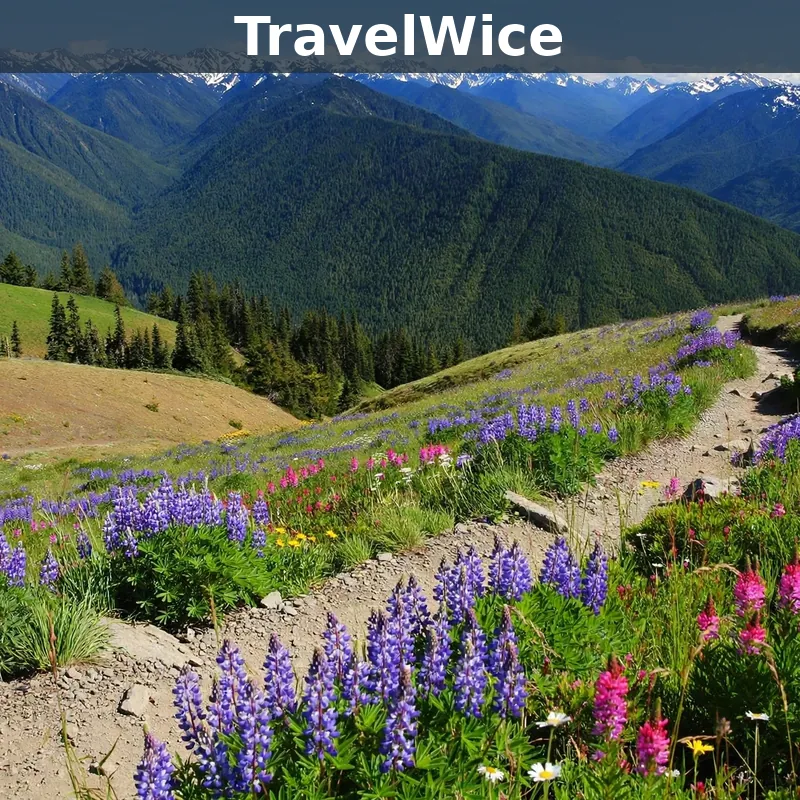
Fire destroyed the Hurricane Ridge Day Lodge in May 2023, and no permanent building has replaced it yet. First, through July and August 2026, a water project leaves the ridge with no drinking water and only portable restrooms. Carry your own water and snacks. In winter the road opens Friday through Sunday only. Every vehicle must carry tire chains above Heart O’ the Hills from November 1 through April 1. The ridge sits lower than the peaks in our Glacier National Park guide. The air stays thick compared with the thin air in our Rocky Mountain National Park guide.
Wild Coast: Rialto, Ruby, and Second Beach
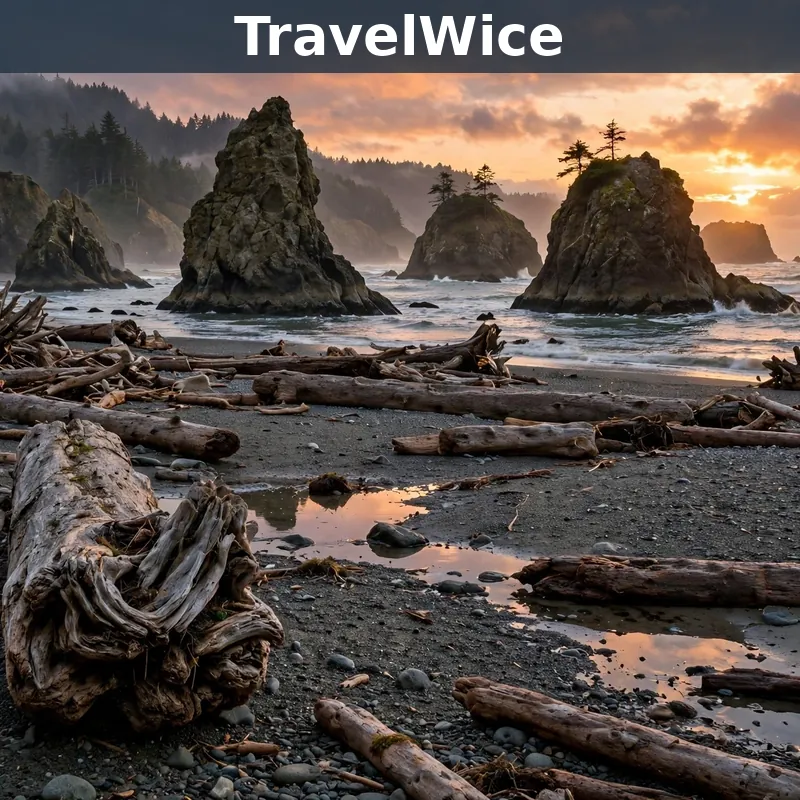
Next, driftwood covers Rialto Beach like a lumberyard, and sea stacks rise out of the surf a mile up the sand. I walked the mile and a half to Hole-in-the-Wall at low tide. The rock arch framed the ocean like a window. Check the tide table before you go, because the route floods at high tide and the rocks stay slick. Arrive early, because the beach lot fills by late morning in summer. Wear water shoes, because the sand hides sharp rocks and the water stays cold enough to sting.
Then, Ruby Beach sits south of Rialto, and its sea stacks glow red at sunset. I arrived an hour before sunset, and I shared the beach with a dozen photographers and a bald eagle. Second Beach needs a short trail through the forest, under a mile long. It opens onto stacks and tide pools at low tide. The coast gives you the wildest miles in the park, and it asks for the most care. For a gentler lakeshore, our Grand Teton National Park guide covers Jenny Lake and its calm water.
Lake Crescent and Sol Duc
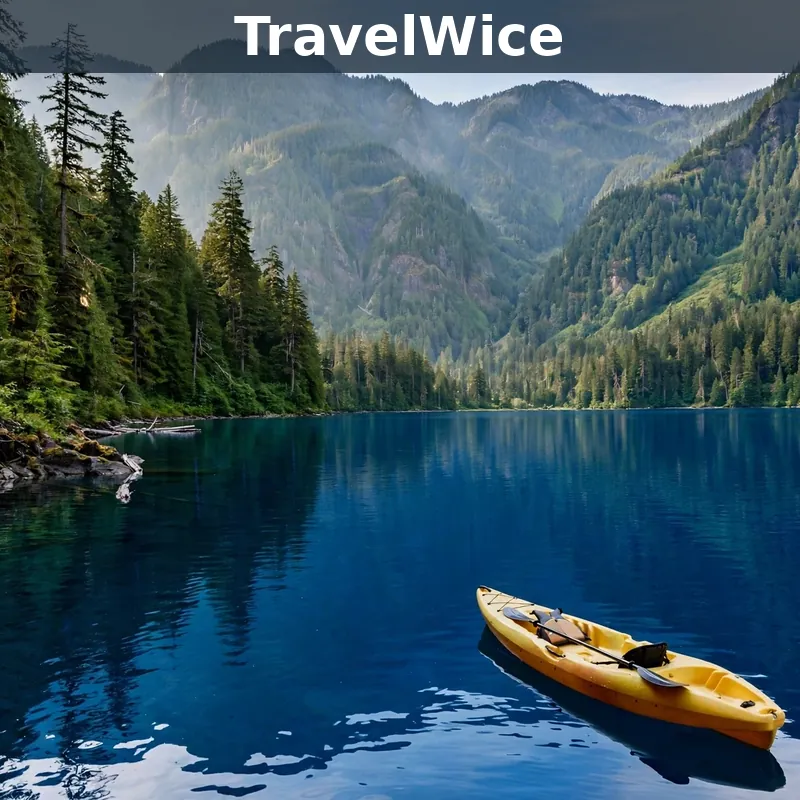
In the end, glaciers carved Lake Crescent deep and cold, and the water runs so clear and blue it looks poured from glass. The lake drops 624 feet at its deepest. The shore road gives you pullouts with views across the water to forested peaks. I rented a kayak for an hour, and I paddled along the north shore while the wind stayed down. The Marymere Falls trail starts near the lodge. The 90-foot falls drop through old forest a short walk from the road.
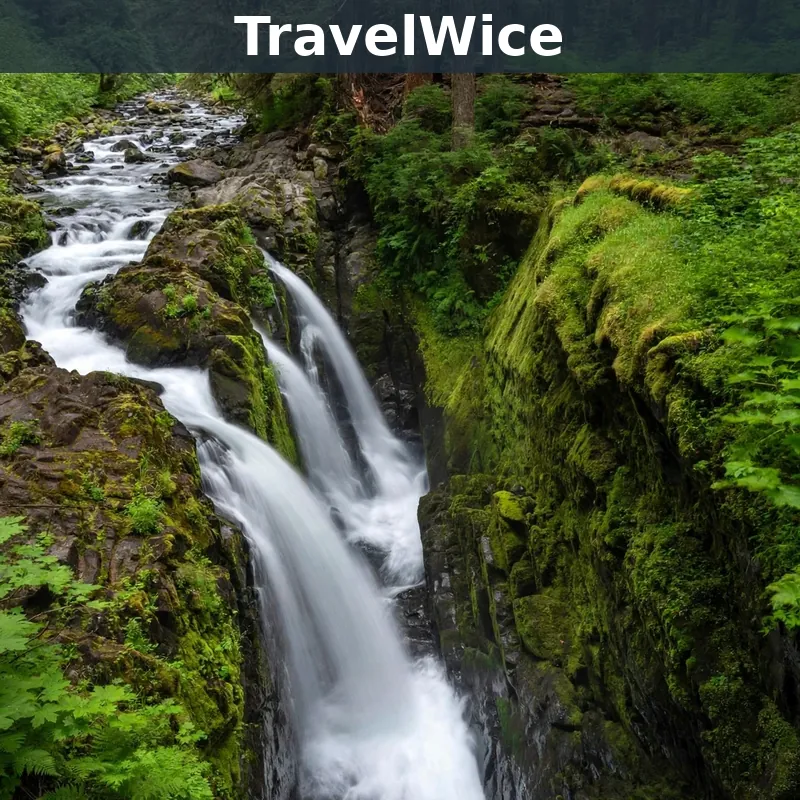
Also, Sol Duc Falls sits a short walk through mossy forest, under a mile each way. The water rushes through a narrow rocky gorge in three channels. I reached the falls in the morning, and the light came through the trees in shafts. The Sol Duc Hot Springs Resort sits nearby, with soaking pools and cabins in the woods. Check the day-use price before you go. The falls trail stays easy, and families with kids handle it well. Moss here beats anything I saw in our Yosemite National Park guide for sheer green.
Elwha Valley and Madison Falls
In fact, the Elwha River runs just west of Port Angeles, and it tells the best comeback story in the park. Crews removed two dams on the river in 2011 and 2012. The salmon came back to miles of river they had lost for a century. I drove the Elwha Valley road in the afternoon. I stopped at Madison Falls, a short walk from the parking lot. The falls drop over mossy rock into a green pool, and the trail takes ten minutes each way.
Meanwhile, the valley gives you a quieter hike than the Hoh, and the river runs milky blue below the road. Look for elk in the meadows at dawn, and listen for the river from the trail. The road ends at a trailhead for longer hikes into the backcountry. Day hikers can walk the first mile and turn back. I spent an hour there, and I saw two other people the whole time.
Quinault and the Quiet South
For example, south of the Hoh, the Quinault valley gives you the same rainforest with a tenth of the crowds. Lake Quinault sits at the valley mouth, and the historic lodge on its shore has hosted visitors since the 1920s. I drove the south shore road in the afternoon. I stopped at the Quinault Big Spruce, a Sitka spruce close to 200 feet tall. The valley trails run short and flat, and the lake loop gives you an easy half day.
After that, the Quinault rainforest stays wetter and quieter than the Hoh, and the crowds thin out fast past the lodge. I ate lunch on the lodge porch, and I watched the mist lift off the lake while the rain stopped. The lodge dining room serves dinner with a lake view, and you should book a table ahead in summer. Book a room at the lodge if you want the full experience. Rooms run about $150 to $250 a night in summer. The south side rewards slow travelers, and it punishes anyone in a hurry.
Where to Stay: Port Angeles, Forks, and Lake Crescent
Port Angeles works as a base for the ridge and the lakes. On top of that, its hotels run about $120 to $180 a night in summer. I stayed two nights there, and I walked to dinner on the waterfront each evening. Port Angeles also gives you the ferry dock, grocery stores, and gear shops. Stock up there before you head west. Forks sits closer to the Hoh and the beaches, and its motels run about $90 to $140 a night. Forks stays plain and practical, and it puts you an hour closer to the rainforest than Port Angeles does.
In addition, Lake Crescent Lodge gives you the prettiest sleep in the park. Rooms sit on the water, and a dining room faces the lake. Rooms run about $180 to $300 a night, and they book out months ahead in summer. Kalaloch Lodge sits on the bluff above the beach, and its cabins give you the ocean at your door. Split your stay if you can, because the peninsula rewards two bases more than one.
Camping in Olympic
At the same time, Olympic runs 14 campgrounds, and the popular ones fill fast in summer. Kalaloch sits on the bluff above the beach with 170 sites, and Mora sits in the forest near Rialto Beach. Most campgrounds cost $15 to $24 a night, and Sol Duc costs $33 a night. I camped one night at Kalaloch, and I fell asleep to the sound of the surf below the bluff.
Still, book ahead on the Recreation.gov site for the campgrounds that take reservations, and check the dates for each one. Hoh Campground needs a reservation from June 12 through September 6, 2026. Kalaloch and Mora take reservations from mid-May through mid-September. The rest run first come, first served, so arrive by early afternoon in summer. Bring a card for the fee, and pack out everything you bring in.
Olympic with Kids
Kids do well in Olympic, because the three worlds keep changing and the walks stay short. First, the Hall of Mosses wins with kids. Nurse logs with saplings growing out of their backs stop them every few steps. The tide pools at Ruby Beach fill an hour easily. Driftwood at Rialto turns into a fort before the coffee cools.
Next, pick the Junior Ranger booklet at any visitor center, and let the kids earn the badge by finishing the activities. The Marymere Falls trail and the Sol Duc Falls trail both suit young legs. Beach walks work best at low tide with water shoes. Pack snacks and rain layers, because the weather turns fast and the distances between stops run long.
Olympic at a Glance
Then, here is the short version of my trip, with the costs and the timing that mattered most.
| Place | Best for | Cost or note | My tip |
|---|---|---|---|
| Hoh Rainforest | Moss, short trails | $30 pass, no cash | Arrive before nine |
| Hurricane Ridge | Alpine views | $30 pass | Carry your own water |
| Rialto Beach | Sea stacks, sunset | Free with pass | Check the tide table |
| Lake Crescent | Kayaking, falls | Kayak about $25 an hour | Paddle in the morning |
| Sol Duc Falls | Waterfalls, pools | Day-use fee, check first | Walk the falls trail |
| Ruby Beach | Sunset, tide pools | Free with pass | Go at low tide |
| Quinault | Quiet rainforest | Lodge $150–$250 | Stay a night if you can |
Chart: Where a Mid-Range Olympic Day’s Money Goes
In the end, this chart breaks down a mid-range Olympic day of about $270 a person. You can see which cost runs the trip.
Also, hotel, about $130 a night: ████████████████████████ 48%.
Food, about $60 a day: ███████████ 22%.
Car and ferry, about $50 a day: █████████ 19%.
Tours and pools, about $20 a day: ████ 7%.
Park fees and tips, about $10 a day: ██ 4%.
In fact, the hotel is the story, at close to half the daily spend. The lodges inside the park cost more than the motels in Forks. Food comes second, and a diner breakfast in Port Angeles keeps the mornings cheap while dinner does the damage. The car and the ferry run third, and the ferry fare adds up fast if you cross twice. Park fees stay small, and the pass covers seven days. The park itself stays the cheapest part of the trip.
A Three-Day Olympic Plan That Works
Meanwhile, day one is the ridge and the lake. Drive Hurricane Ridge in the morning, hike Hurricane Hill, and spend the afternoon kayaking on Lake Crescent. Day two belongs to the west side. Walk the Hall of Mosses early, then drive to Rialto Beach for low tide and sunset. Day three is Sol Duc Falls in the morning and the Quinault valley in the afternoon. Eat lunch on the lodge porch. Add a fourth day for the Elwha Valley and the south shore if you can. The quiet side deserves its own morning.
For the full parks picture, start with our best national parks in the USA for 2026 before you pick your next trip. If Olympic leaves you hungry for geysers, our Yellowstone National Park guide covers the Grand Loop and Lamar Valley. For desert canyons instead of rainforest, read our Zion National Park guide and plan a Utah spring. If three days leaves you hungry for more, our Hawaii travel guide for 2026 trades rainforest rain for island sun.
What to Pack
After that, pack a rain shell for the Hoh, layers for the ridge wind, and water shoes for the beach walks. I packed a tide table printout, and I checked it every morning before I drove to the coast. Bring a power bank, because the cold and the long drives drain a phone fast. Leave the white sneakers behind, because the rainforest mud stains everything it touches.
Staying Safe in the Rainforest and on the Coast
On top of that, tides set the schedule on the coast. A rising tide can trap you past Hole-in-the-Wall, so check the table and watch the water, not your camera. Driftwood logs roll in the surf, so keep your distance from the waterline. The rainforest trails stay slick after rain, and the mud grabs shoes fast, so wear grip and carry a light. Check the Olympic National Park alerts each morning, because road closures and storm damage shift the plan fast.
References
- Olympic National Park — entrance fees, road conditions, and park alerts.
- Recreation.gov — campground reservations and wilderness permits.
- America the Beautiful passes — annual, senior, and military pass details.
- National Park Service — national park passes and visitor information.
Olympic National Park Guide Quiz
Test what you picked up from this guide before you book.
1. What does Olympic entry cost in 2026, and do you need a timed-entry reservation?
- A) Spend $35 a vehicle, with a timed-entry slot.
- B) Pay $30 a vehicle for seven days, with no timed entry in 2026.
- C) Enter free, with no pass and no fee.
2. How wet is the Hoh Rainforest, and how long is the Hall of Mosses trail?
- A) Hike a 10-mile loop through dry pine forest, with 10 inches of rain a year.
- B) Drive a 5-mile loop past desert cacti, with no rain at all.
- C) Walk a short loop under moss-draped maples, in a forest that takes about 140 inches of rain a year.
3. What should you know about Hurricane Ridge before you drive up?
- A) Drive 17 miles from Port Angeles to a 5,242-foot ridge, where fire destroyed the lodge in 2023.
- B) Ride 50 miles from Seattle to a 10,000-foot peak, with a full lodge.
- C) Walk 2 miles from Forks to a 1,000-foot hill, with a cable car.
4. What happened to the Upper Hoh Road, and when did it reopen?
- A) Arrive any time, because the road never closed.
- B) Drive in after the road reopened in May 2026, following flood repairs.
- C) Fly in, because the road stays shut all year.
5. How do you plan a beach walk to Hole-in-the-Wall safely?
- A) Walk the beach at high tide, in sandals, with no plan.
- B) Swim at Rialto Beach, because the water stays warm.
- C) Check the tide table before you walk to Hole-in-the-Wall, and carry water shoes.
Quiz Answers
-
B) Pay $30 a vehicle for seven days, with no timed entry in 2026. — Entry costs $30 a vehicle for seven days. Olympic runs no timed-entry system in 2026.
-
C) Walk a short loop under moss-draped maples, in a forest that takes about 140 inches of rain a year. — The Hall of Mosses loops 0.8 miles. The Hoh takes about 140 inches of rain a year.
-
A) Drive 17 miles from Port Angeles to a 5,242-foot ridge, where fire destroyed the lodge in 2023. — Hurricane Ridge sits 17 miles from Port Angeles at 5,242 feet. Fire destroyed the Day Lodge in May 2023.
-
B) Drive in after the road reopened in May 2026, following flood repairs. — Floods washed out the Upper Hoh Road in December 2024. Crews reopened it in May 2026.
-
C) Check the tide table before you walk to Hole-in-the-Wall, and carry water shoes. — The route to Hole-in-the-Wall floods at high tide. Check the table and wear water shoes.