

Maui Travel Guide 2026: Road to Hana, Haleakala & Beaches
I landed at Kahului Airport with a stiff neck and a plan that looked neat on paper, and Maui broke that plan in the best way within a day. I had ranked the island by its postcards. Then I drove the Hana Highway in the rain, watched the sun rise over a crater at 10,023 feet, and ate a plate lunch on a plastic chair in Paia. And I learned that Maui rewards slow drivers, early risers, and people who stop for banana bread. This Maui travel guide is the trip I actually took, with the prices I paid, the wrong turns I made, and the stops I would repeat tomorrow.
TL;DR: Give Maui 4–5 days. Base in Kaanapali or Wailea for beaches, and drive the Road to Hana once, early, with a Wai’anapanapa reservation. Book a Haleakala sunrise slot 60 days ahead, and pack a jacket for the summit. Spend a respectful half day in Lahaina, where Front Street has reopened in stages. Budget a car at $50–$90 a day, food at $40–$60 a day on a budget, and $80–$130 a day if you eat well. Winter brings whales from December to May, with the peak in January to March.
Why Maui Won Me Over
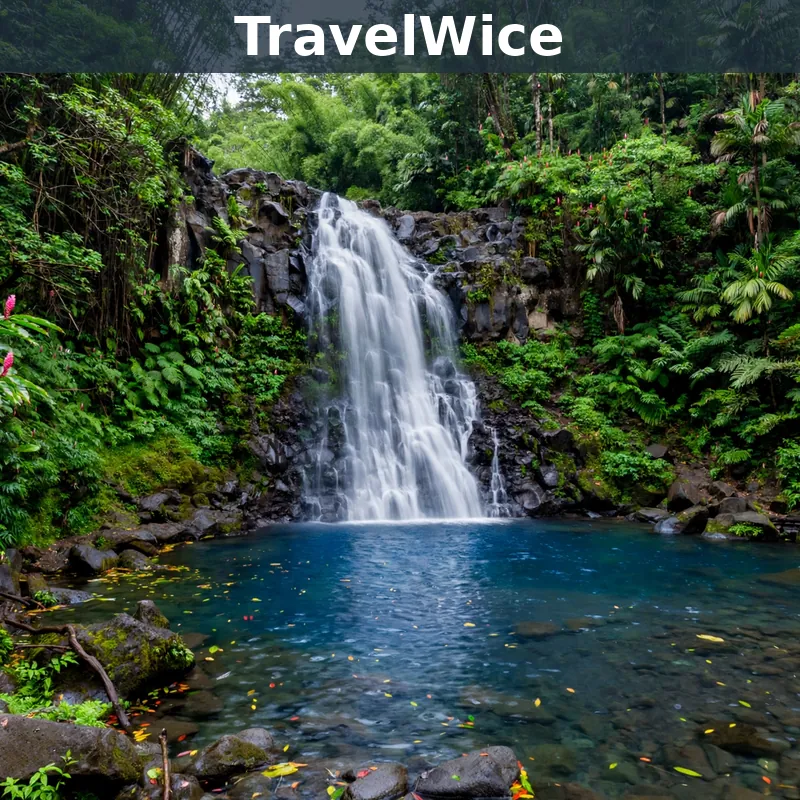
Maui feels like two islands in one, and that split caught me off guard. The west side gives you wide beaches, resorts, and sunset dinners. East side gives you jungle, waterfalls, and a road that forces you to slow down. I loved both, but I loved them for different reasons. And I think first-timers should see both, even if they only have a few days.
My first morning set the tone. I drove to Paia before the shops woke up, and I found a small town with surf shops, a health food cafe, and a line already forming for breakfast. I ordered coffee and sat outside, and I watched surfers load boards onto old trucks. The town felt easy and lived-in, and it made the resort strip feel a world away. So I kept coming back to Paia. I ate there, I shopped there, and I started my Hana drive there.
Winter also shapes the island in a good way. Honolulu winter highs sit near 82°F in December and 80°F in January, with lows near 69°F and 67°F. Maui runs close to that pattern on the coast, so you can swim in January and still need a jacket at the Haleakala summit. Rain falls in short bursts, and a shower can pass in ten minutes. So pack a light rain layer and keep it in the car. I used mine three times in five days, and each time I felt smug for ten minutes.
Getting to Maui and Getting Around
You fly into Kahului Airport, and that airport sets the pace for the whole trip. I picked up my rental car there, and I drove out onto the highway with the West Maui Mountains on my left. The drive to Kaanapali takes about 45 minutes in clear traffic, and the drive to Wailea takes about 30 minutes. Traffic builds up in the late afternoon, so I learned to do my long drives in the morning.
You need a car on Maui. I say that plainly because I tried to picture the trip without one, and it fell apart fast. Buses run, but they run slowly and they skip the best stops. A car gives you the Hana Highway, the Haleakala summit road, and the freedom to pull over for a food truck. Car rental for an economy car runs $50–$90 a day in 2026, and a compact SUV runs $65–$110 a day. I booked early and I paid near the low end, so book early and check the total with taxes before you click.
If you hop between islands, fly. No passenger ferry links Oahu, Maui, Kauai, and the Big Island for visitors, so flights do the job. Hawaiian Airlines runs about 170 inter-island flights a day, and Southwest and Mokulele fly the same routes too. A flight takes 20–50 minutes in the air, and I allow 3–4 hours door to door. Fares run $70–$150 one way when you book early, and they climb past $150 at the last minute. Checked bags run about $30 for the first bag and $40 for the second on Hawaiian and Southwest, so I packed light and I carried on.
Where to Stay: Kaanapali, Wailea, Kihei, and Paia
I stayed in Kaanapali, and I would stay there again for a first trip. The beach runs for three miles, the sand stays wide, and you can walk to dinner without a car. Kaanapali, Kahana, Napili, and Kapalua never shut down after the fires, and they feel fully open now. I swam every morning before breakfast, and I watched the cliff diving show at Black Rock at sunset. The hotels cost more here, but the beach makes up for it.
Wailea suits a slower trip. The beaches feel calmer, the resorts sit further apart, and the mornings feel quiet. I spent a day there and I liked the pace, but I missed the buzz of Kaanapali. So pick Wailea if you want rest, and pick Kaanapali if you want action. Kihei sits between them on price, and it gives you condos, food trucks, and a local feel. I ate in Kihei twice and I paid less than I paid in Wailea, and the food tasted just as good.
Paia works for Hana and Haleakala days. I stayed one night there before my sunrise drive, and it saved me an hour of dark driving. The town has small inns, a few rentals, and a bakery that opens early. For a full trip, I would split the stay: three nights in Kaanapali and one night in Paia or Hana. That split cuts the driving, and it lets you see the east side without a 12-hour day.
The Road to Hana: My Drive, Stop by Stop
The Road to Hana runs about 64 miles from Kahului to Hana, and it takes a full day if you stop. I left Paia at 7 AM, and I reached Hana after lunch. The road has more than 600 curves and 50-plus one-lane bridges, so drive slowly and pull over for local cars. I pulled over six times, and each time I felt better for it. The drive rewards patience, and it punishes rush.
My first real stop was Twin Falls, and I walked the short trail to the pools. The water ran clear and cold, and a family swam in the lower pool while I watched from a rock. Then I stopped for banana bread at a roadside stand, and I ate it warm in the car. I paid a few dollars, and it tasted like the best snack on the island. So stop for the bread. Every stand has its fans, and every loaf tastes a little different.
Wai’anapanapa State Park needs a plan, so book it before you go. The park holds the black-sand beach at Mile Marker 32, about three miles before Hana town. Non-residents need a reservation, and no same-day or walk-in entry exists. You book up to 30 days ahead, and slots open at midnight Hawaii time. The fee runs $5 a person plus $10 a vehicle per time slot, and kids aged 3 and under go free. Slots run 7:00–10:00 AM, 10:00 AM–12:30 PM, 12:30–3:00 PM, and 3:00–6:00 PM, and the park stays open 7 AM to 6 PM. I booked the 10:00 AM slot, and I had two hours on black sand with waves crashing on lava rock. Swimming draws a warning there, so I waded and I watched. No lifeguards work the beach, so take care.

Hana Town and the Drive Back
Hana town feels small and quiet, and I liked that after the busy road. I ate lunch at a food truck, and I sat on a bench with a view of the bay. The town has a few shops, a beach park, and a pace that feels a decade slower than Lahaina. I walked the beach, and I turned back early because the drive back takes as long as the drive out.
The drive back taught me the main Hana lesson. I had planned to stop at every waterfall on the way back, but I ran out of light. So pick your stops on the way out, and keep the way back simple. I stopped twice on the return, and I reached Paia by dusk. If you want the Pipiwai Trail, go past Hana to the Kipahulu District of Haleakala National Park. The trail runs 4 miles round trip to the 400-foot Waimoku Falls, and it passes a bamboo forest that hums in the wind. I did it on a second day, and I wished I had saved more time for it.
Haleakala Sunrise: Worth the 3 AM Alarm
Haleakala National Park charges $30 a private vehicle for entry, and that pass stays valid for three days across both districts. A motorcycle costs $25, and entry on foot or by bike costs $15 for ages 16 and up. The park takes cards only, so leave the cash in your wallet. Sunrise needs a separate reservation for vehicles that enter the Summit District from 3:00 to 7:00 AM, and it costs $1.00 a vehicle through recreation.gov. Slots open 60 days ahead at 7 AM Hawaii time, and a smaller batch opens two days ahead. Sunset needs no reservation, so try sunset if sunrise sells out.
I set my alarm for 3 AM, and I drove up in the dark. The road climbs from sea level to the summit in about 38 miles, with 30-plus switchbacks, and it takes 1.5–2.5 hours from Kahului. I stopped twice to let my ears pop, and I reached the summit car park with an hour to spare. The summit, Pu’u’ula’ula, stands at 10,023 feet, and the visitor center sits at 9,740 feet. The air up there runs 30–50°F colder than the coast, so I wore a jacket, a hat, and gloves. I felt cold, and I felt glad I had packed them.
The sun rose over a sea of clouds, and the crater glowed orange and pink. The crater measures 7 miles by 2 miles and runs about 3,000 feet deep, and the last eruption came in the late 1700s. I stood there for an hour, and I watched the light change the whole bowl. Then I drove down slowly, and I stopped for breakfast in Makawao. My tip: book the sunrise slot first, then plan the rest of the day around a nap. I napped for two hours, and I needed every minute.
Lahaina Today: What Is Open, and How to Visit Well
Lahaina needs care, and I want to say this plainly. The August 2023 wildfires destroyed much of Lahaina town, and 102 people died on August 8, 2023. The town has reopened in stages since then, and rebuilding continues. I visited with respect, and I kept to marked public routes. I did not walk onto private land, and I did not treat the burn zone as a sight. The town deserves visitors who spend money, eat lunch, and listen.
Front Street reopened to vehicles on August 1, 2026, from Papalaua Street to Shaw Street. Market Street, Papelekane Street, and Mokuhinia Place still stay shut, so check the signs and follow them. Free three-hour parking sits at the county lots at 500 Front Street and 116 Prison Street, and I used the Front Street lot. It saved me money, and it put me right in the middle of the open stretch.
Where to Eat and Shop in Lahaina Now
Several places welcome visitors again, and I ate at two of them. Honu Oceanside serves seafood with a view, and Star Noodle draws a line for its garlic noodles. Mala Ocean Tavern sits on the water, and Coco Deck works for a casual lunch. Aloha Mixed Plate serves plate lunch with the harbor in sight, and I ate there for under $20. Safeway, Longs Drugs, and the Lahaina Cannery Mall also serve visitors, so you can stock up and keep going. The Old Lahaina Luau runs again too, and it gives you hula, food, and a sunset in one night.
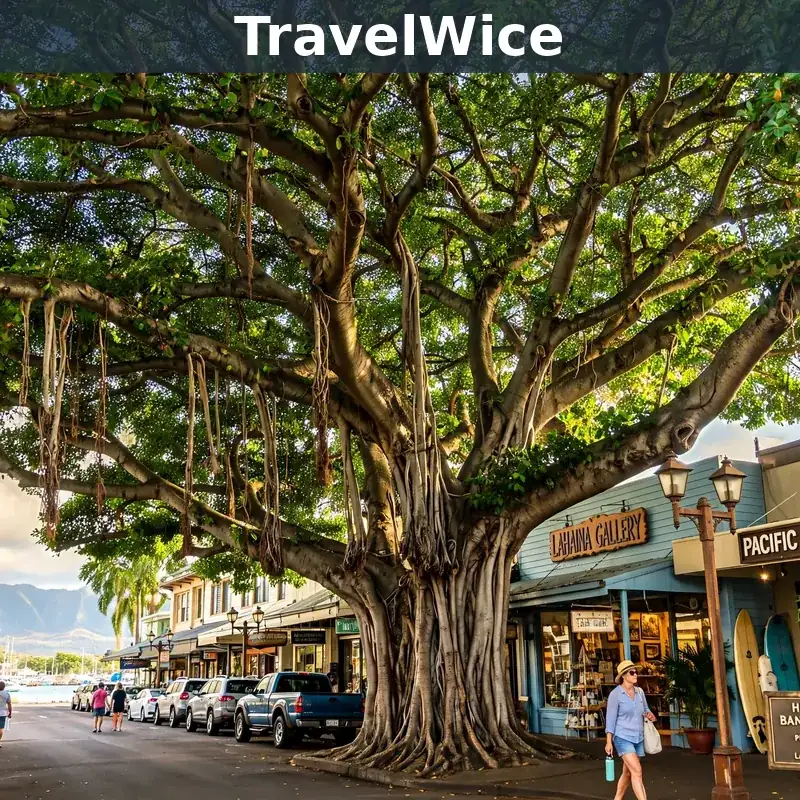
Workers planted the Banyan Tree in 1873, and it still stands. It lives and it regrows, but Banyan Tree Park stays fenced off while it heals, for about two more years. I looked at the canopy from the fence, and I felt glad it survived. The Old Lahaina Courthouse, Baldwin Home Museum, Lahaina Library, Kamehameha Brick Palace, Kamehameha Iki Park, and Malu Ulu o Lele Park still stay shut and fenced. The Lahaina Small Boat Harbor runs limited permitted commercial trips in daylight only, since December 2025. So plan a half day in Lahaina, eat well, shop local, and leave the closed sites alone.
Kaanapali Beach and the West Side
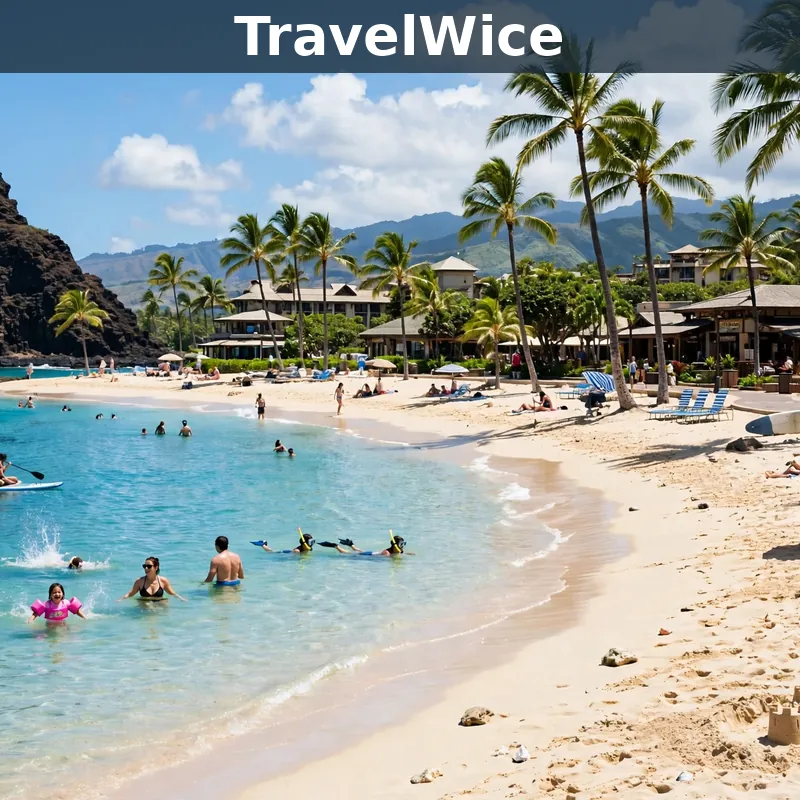
Kaanapali Beach gave me my best swim of the trip. The water runs clear, the sand runs soft, and the beach walk runs past hotels, restaurants, and a few shops. I swam at Black Rock in the morning, and I snorkelled there in the afternoon. Turtles cruise the point, and fish dart through the rocks. I kept my distance from the turtles, and I watched them from a few feet away.
The beach walk takes about an hour at a slow pace, and I did it twice. I stopped for shave ice, and I paid a few dollars for a cup that melted faster than I could eat it. The sun sets over the water here, and the sky turns pink and gold. I watched one sunset from the sand, and I watched another from a restaurant patio. Both worked, and both cost nothing from the sand.
If you want a quieter beach, drive north to Napili Bay. The bay curves like a bowl, the water stays calm on most days, and families spread out on the sand. Kapalua Bay sits just past it, and it gives you clear water and good snorkelling. I liked both, and I liked that they felt less busy than Kaanapali. So try one of them on a day when Kaanapali feels full.
Molokini Crater and Snorkelling
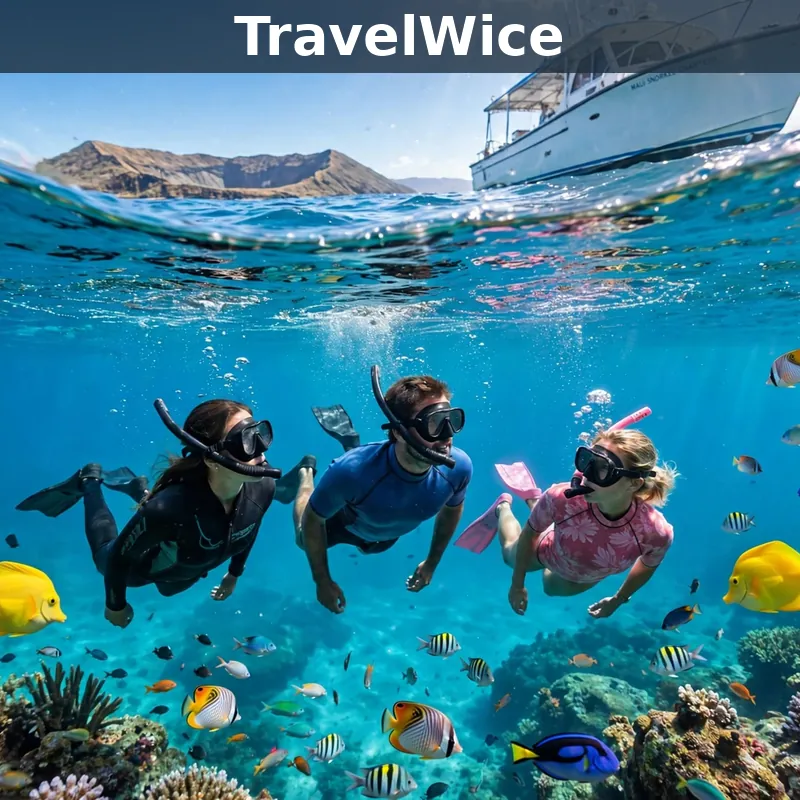
Molokini Crater sits off the south coast, and it looks like a crescent of rock in the sea. I took a morning boat from Maalaea, and the ride took about 45 minutes. The crater holds clear water, and fish swarm the reef. I saw yellow tangs, blue damselfish, and a turtle that glided past my mask. The boat crew gave me fins, a mask, and a snack, and they watched the water while I swam.
Snorkel tours in Hawaii run $109–$265 a person, with a typical price near $139. I paid in that range, and I felt the morning was worth it. Book a morning trip, because the wind picks up in the afternoon and the water turns choppy. If you feel seasick, take a tablet before you board, and sit near the back of the boat. I took one, and I stayed fine.
You can also snorkel from shore for free, and I did that twice. Black Rock works in calm water, and Kapalua Bay works on a flat day. Bring your own mask if you have one, and rinse it with fresh water after. I bought a cheap mask in Kihei, and I used it every day. It paid for itself by day two.
Whales in Winter: The Best Free Show on Maui
Humpback whales visit Hawaii from November to May, and the official season runs December 15 to May 15. The peak runs January to March, and up to 12,000 whales return each year. Maui sits in the middle of the best water, and the Au’au Channel between Maui, Lanai, and Molokai gives you the best odds. I saw whales from the beach in February, and I saw them breach from a boat in the same week.
I took a whale watch from Lahaina, and the boat found a mother and calf within 20 minutes. The calf breached twice, and the whole boat cheered. The crew kept the boat 100 yards from the whales, and that rule matters. Boats must stay 100 yards away, and swimmers must keep the same distance. So pick a licensed operator, and skip any trip that chases the whales.
You can watch from land for free too. I stood at McGregor Point and at the Kaanapali beach walk, and I saw blows and tails with my own eyes. Bring binoculars if you have them, and watch for the spout first. The spout shows up as a puff of white, and the tail follows. Winter mornings give you the calmest water, so go early and bring coffee.
What to Eat on Maui: Plate Lunch, Poke, and Shave Ice
Maui fed me well, and it fed me cheaply when I ate like a local. A plate lunch runs $10–$18, and it gives you rice, mac salad, and a main like chicken katsu or kalua pork. I ate plate lunch four times, and I never paid more than $18. A poke bowl runs $10–$22, and the fish tastes freshest at the small shops in Paia and Kihei. I tried ahi poke with soy sauce and onions, and I still think about it.
Shave ice costs a few dollars, and it cools you down fast. I tried mango, lilikoi, and coconut, and I liked mango best. Food trucks line the roads in Kihei and near the beaches, and they serve tacos, Thai food, and burgers for $10–$20. I ate at a truck near Kaanapali, and I sat at a picnic table with sand on my feet. That meal cost less than a resort lunch, and it tasted better.
For one splurge, book a luau. Luaus in Hawaii run about $109–$296 an adult, and most general seats run $150–$200. The Old Lahaina Luau sits at the top of that range, and it gives you hula, music, and a full dinner. I booked it, and I loved the fire knife dance. If a luau costs too much, try a sunset dinner in Lahaina instead. You get the view, and you pay half the price.
Maui at a Glance
| Area | Best for | Typical cost | My tip |
|---|---|---|---|
| Kaanapali Beach | Swimming, sunsets, walking | Free beach, hotels pricey | Swim early, walk at sunset |
| Road to Hana | Waterfalls, jungle, black sand | Wai’anapanapa $5 + $10 parking | Leave Paia by 7 AM |
| Haleakala summit | Sunrise, crater views | Entry $30, sunrise $1 | Pack a jacket and gloves |
| Lahaina Front Street | Lunch, shops, luau | Plate lunch $10–$18 | Park free 3 hrs at 500 Front St |
| Molokini Crater | Snorkelling, fish, clear water | Tours $109–$265 | Book a morning boat |
| Wailea beaches | Quiet days, resorts | Free beach access | Go midweek for space |
| Paia town | Breakfast, surf shops, Hana start | Coffee and food $10–$20 | Stay one night before Hana |
Chart: Where a Mid-Range Maui Day’s Money Goes
This chart breaks down a mid-range Maui day of about $300 a person, so you can see which cost runs the trip.
Hotel, about $150 a night: ██████████████████████████████ 50%
Food, about $70 a day: ██████████████ 23%
Car rental, about $60 a day: ████████████ 20%
Tours and snorkelling, about $15 a day: ███ 5%
Parking and tips, about $5 a day: █ 2%
The hotel is the story, at half the daily spend. Food is second, and a plate lunch at $10–$18 keeps that number down. The car is third, and it pays for itself with the freedom to drive Hana and Haleakala. Tours cost less when you spread one boat trip across five days. So book the hotel by total price, eat local at lunch, and drive yourself.
A Four-Day Maui Plan That Works
Day one is the west side. Swim at Kaanapali in the morning, walk the beach path, and eat a plate lunch in Lahaina. Watch the sunset from Black Rock, and sleep early.
Day two is Haleakala. Rise at 3 AM, watch the sunrise, and nap after breakfast in Makawao. Spend the afternoon in Paia, and eat dinner in Kihei.
Day three is the Road to Hana. Leave Paia by 7 AM, stop at Twin Falls, swim at Wai’anapanapa, and eat in Hana. Drive back before dark, and skip the extra stops.
Day four is the water. Take a morning Molokini boat, and spend the afternoon at Napili Bay. Watch whales from the beach if it is winter, and book a luau for the last night. For more on the Hana drive, read our Road to Hana guide for 2026. For the full island picture, start with our Hawaii travel guide for 2026.
What to Pack, and What to Leave Behind
Pack a jacket for Haleakala, a rain layer for Hana, reef-safe sunscreen, water shoes for rocky beaches, and a reusable bottle. I packed all five, and I used all five. Leave the heavy suitcase behind, because you will haul it in and out of the car. Pack binoculars for whales, and pack a phone charger for the long Hana day. I charged my phone in the car, and I still ran low by dinner. So bring a power bank too.
Staying Safe on Maui Roads and Beaches
Maui roads ask for care, and the beaches ask for respect. Drive slowly on Hana Highway, and pull over for local cars. Never stop on a one-lane bridge, and never park where signs say no. At the beach, watch the waves before you swim, and stay out if the surf runs high. Winter swells hit the north shore hard, so swim on the west side in winter. Check the National Weather Service Honolulu forecast each morning, because a shower can turn a trail slick in minutes. For a sense of how another island trip compares on cost, read our Hawaii trip cost guide for 2026 and our Texas trip cost guide for 2026.
References
- Hawaii Tourism Authority official tourism site — Maui beaches, towns, and trip planning.
- Haleakala National Park — entry fees, sunrise reservations, and summit details.
- recreation.gov reservations — Haleakala sunrise slots and booking windows.
- Hawaii State Parks — Wai’anapanapa reservations and state park fees.
- National Weather Service Honolulu — Maui weather and surf forecasts.
Maui Travel Guide Quiz
Test what you picked up from this guide before you book.
1. How much does a Haleakala sunrise vehicle reservation cost, and where do you book it?
- A) $30 through the park gate
- B) $1.00 through recreation.gov
- C) Free, with no booking
2. What are the Wai’anapanapa fees for a non-resident, and can you walk in?
- A) $25 a person, walk-ins only
- B) Free entry, walk-ins welcome
- C) $5 a person plus $10 a vehicle, no walk-ins
3. When did Front Street in Lahaina reopen to vehicles, and which streets still stay shut?
- A) August 1, 2026; Market, Papelekane, and Mokuhinia still stay shut
- B) January 1, 2026; all streets reopened
- C) August 1, 2025; Front Street still stays shut
4. How many humpback whales return to Hawaii each year, and how far must boats stay away?
- A) Up to 1,000 whales, 10 yards away
- B) Up to 12,000 whales, 100 yards away
- C) Up to 50,000 whales, 500 yards away
5. What does a plate lunch cost on Maui, and what does it include?
- A) $10–$18, rice, mac salad, and a main
- B) $30–$50, rice only
- C) $5, a drink only
Quiz Answers
- B) $1.00 through recreation.gov — The sunrise reservation costs $1.00 a vehicle through recreation.gov, and it sits separate from the $30 park entry.
- C) $5 a person plus $10 a vehicle, no walk-ins — Wai’anapanapa charges $5 a person plus $10 a vehicle per slot, and no same-day or walk-in entry exists.
- A) August 1, 2026; Market, Papelekane, and Mokuhinia still stay shut — Front Street reopened to vehicles on August 1, 2026, from Papalaua to Shaw, while Market, Papelekane, and Mokuhinia still stay shut.
- B) Up to 12,000 whales, 100 yards away — Up to 12,000 humpbacks return each year, and boats must stay 100 yards away.
- A) $10–$18, rice, mac salad, and a main — A plate lunch runs $10–$18 and gives you rice, mac salad, and a main like chicken katsu.