

Hawaii Trip Cost Guide 2026: What a Trip Really Costs
I opened my Hawaii hotel bill on the last morning, and I stared at it for a full minute. The room rate looked fine. The taxes and fees did not. A $300 room had turned into $356 before I added the resort fee or the parking. That bill taught me the main lesson of this Hawaii trip cost guide: Hawaii is not expensive in the way people expect. The sticker price is only the start. The taxes, the fees, and the small daily costs add up fast, and the travellers who plan for them enjoy the trip far more than the ones who get surprised.
TL;DR: A mid-range couple should plan about $350 to $450 a day in Waikiki, before flights. A $300 room costs $356 after the 18.712% hotel tax, and then you add a $35 to $56 resort fee and $55 to $69 for self-parking. Food runs $40 to $60 a day on a budget and $80 to $130 a day in comfort. A plate lunch costs $10 to $18, a poke bowl costs $10 to $22, a luau runs $109 to $296 per adult, and a snorkel tour runs $109 to $265 per person. Book flights and hotels early, and check the total price, not the nightly rate.
The Hotel Tax Nobody Warns You About
Waikiki hotels charge a total tax of 18.712% on the room and the resort fee. That number breaks down into three parts. The state transient tax is 11%. The Oahu tax adds 3%. And the general excise tax adds 4.712%. You do not need to remember the split. You need to remember the total, because it changes every price you see.
Here is the math on a $300 room. Add 18.712%, and the room costs $356.14 a night. That is before the resort fee. Before parking. Before breakfast. So a room that looks like $300 a night is really $356 a night, and most booking sites show the lower number first. I learned to multiply every nightly rate by 1.19 in my head, and that rough math kept me honest. A $200 room is really about $237. A $400 room is really about $475.
The tax also applies to the resort fee. A $50 resort fee costs about $59 after tax. And it applies to parking in some cases too. So the fees carry their own tax, and the total climbs higher than the sum of the listed prices. Always look for the “total with taxes and fees” line before you book. If a site does not show it, assume the real price is about 20% higher than the headline rate.
Resort Fees and Parking: The Two Silent Add-Ons
Resort fees in Waikiki typically run $35 to $56 a night, before tax. The fee covers the pool, the beach towels, the Wi-Fi, and the gym. You pay it whether you use those things or not. I used the pool once in five nights, and I paid the fee five times. That is how resort fees work, and there is no way around them at most Waikiki hotels.
Parking is the second silent add-on. Self-parking runs $55 to $69 a night. Valet runs $52 to $89 a night, before the 4.712% excise tax. Read that again, because valet can cost less than self-parking at some hotels, and more at others. Check both prices before you book, and check if your hotel charges parking tax on top.
Add it up for a $300 room. The room is $356 after tax. The resort fee is about $59 after tax. Self-parking is about $65. That is $480 a night, all in, for a room listed at $300. I am not saying you should not book it. I am saying you should know the real number before you book it. And if you skip the rental car, you drop the parking line entirely, which saves $55 to $69 a night. That is the single biggest saving on a Waikiki trip.
What Hotels Really Cost by Level
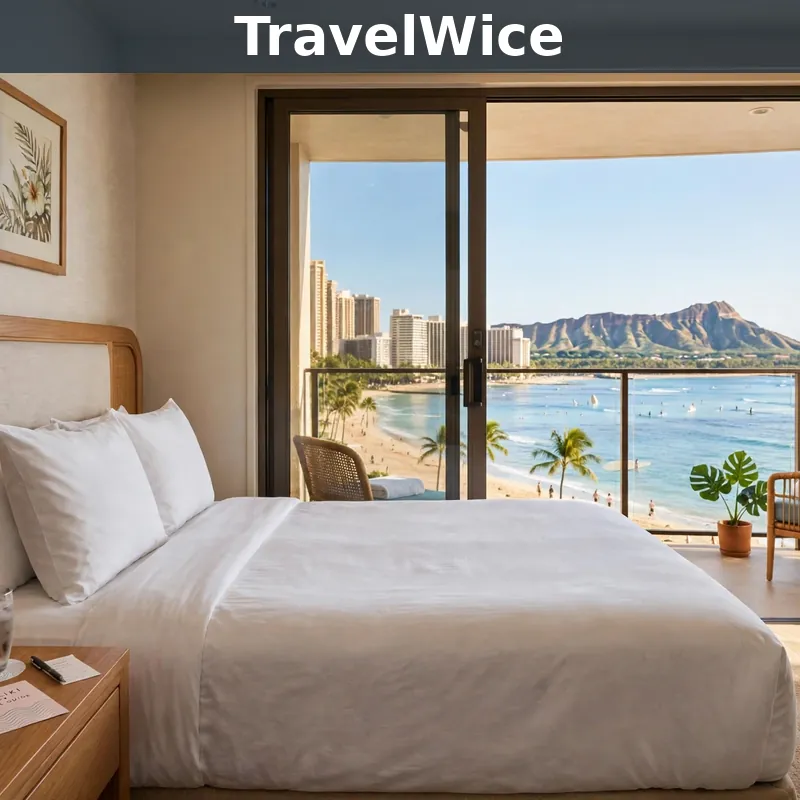
Honolulu hotel rates average about $285 to $290 a night before taxes and fees. That average hides a wide range. A mid-range 3-star hotel in Waikiki runs $180 to $280 a night. A 4-star hotel runs $250 to $450 a night. And a 5-star hotel runs $450 to $1,000 or more a night. All-in, a mid-range Waikiki stay typically costs $260 to $380 a night in peak season, once you add tax, the resort fee, and parking.
The 3-star hotels are the sweet spot for most travellers. They sit a block or two from the beach, they offer clean rooms and a pool, and they cost half what the beachfront towers charge. I stayed one block back from the sand, and I walked to the beach in three minutes. The ocean view from my room was a sliver between two towers, but I did not care, because I spent my days on the sand, not in the room.
The 5-star hotels are lovely, and they are worth it for a honeymoon or a special trip. But a family of four does not need a $600 room to enjoy Waikiki. The beach is free, the sunset is free, and the sand feels the same outside a 3-star hotel as it does outside a 5-star one. Spend the saving on a luau or a snorkel trip, and the trip will feel richer, not cheaper. Our Waikiki Beach guide for 2026 covers where to stay by beach zone.
Getting From the Airport to Waikiki
Honolulu airport sits 9 to 10 miles from Waikiki. The drive takes 20 to 30 minutes in normal traffic. In rush hour, it takes 40 to 60 minutes. Plan for the slow version, because a delayed flight plus rush hour can turn a short ride into a long one. I landed at 4 PM, hit rush hour, and took 55 minutes to reach my hotel.
TheBus is the cheapest way into town. It costs $3 with a HOLO card, or $3.25 in cash. The W line runs direct to Waikiki, about every 10 minutes, and the trip takes 35 to 70 minutes in total. A shared shuttle costs $15 to $29 per person one-way. Uber and Lyft cost $25 to $45, with $30 to $36 as the typical range. A metered taxi costs $35 to $50, with about $45 as the typical fare. And Charley’s flat-rate taxi costs $38 per car if you pre-book.
Rideshare pickups moved to Level 1, the ground level, in October 2025. Follow the signs at the airport, and do not wait at the departures level. For a couple, a rideshare at $30 to $36 beats two shuttle tickets, and it drops you at your hotel door. A solo traveller with a light bag should take TheBus at $3, because it is the clear winner. Families of four with luggage should pick a taxi or a rideshare, because it is the easiest choice, and the per-person cost is low. Our Honolulu travel guide for 2026 covers the airport run in detail.
Rental Cars: When You Need One, and When You Do Not
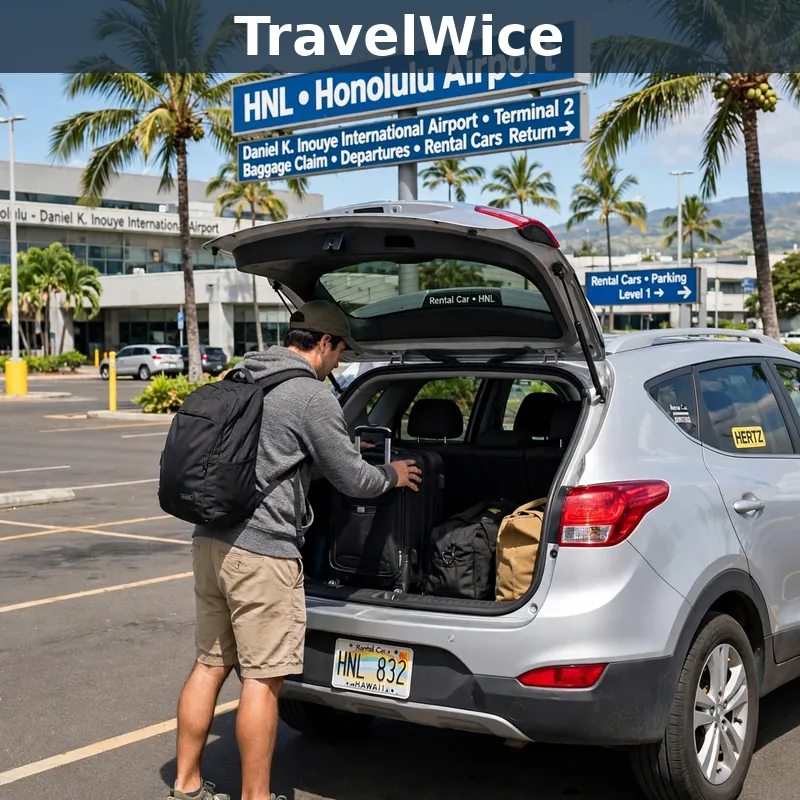
A rental car in Hawaii costs about $50 to $90 a day for an economy car. A compact SUV costs $65 to $110 a day. Those are the base rates, before taxes and fees, and the price jumps in peak season and around holidays. Book early, and check the total price, because the taxes add up just like the hotel tax does.
You do not need a car in Waikiki. The beach, the shops, and the restaurants all sit within walking distance. And parking costs $55 to $69 a night, which can exceed the rental cost itself. I skipped the car for my first three days in Waikiki, and I walked everywhere. Then I rented a car for two days, for the North Shore and Pearl Harbor, and I returned it the same evening. That split saved me three nights of parking, which is about $180.
You do need a car on Maui, Kauai, and the Big Island. The sights are spread out, the buses are thin, and a car is the only practical way to see the island. On Maui, a compact SUV suits the Road to Hana better than a small sedan, because the road is rough in spots and the extra clearance helps. Our Road to Hana guide for 2026 covers that drive and its costs. On the Big Island, the distances are long, and a car is not optional. It is the trip.
Food: The Daily Math That Matters Most
Food is the cost you control most in Hawaii, and it is the one that varies widest. A budget eater spends $40 to $60 a day on food. A comfortable eater spends $80 to $130 a day. The gap comes from choices, not from prices. A plate lunch and a poke bowl cost far less than a sit-down dinner, and the food tastes just as good.
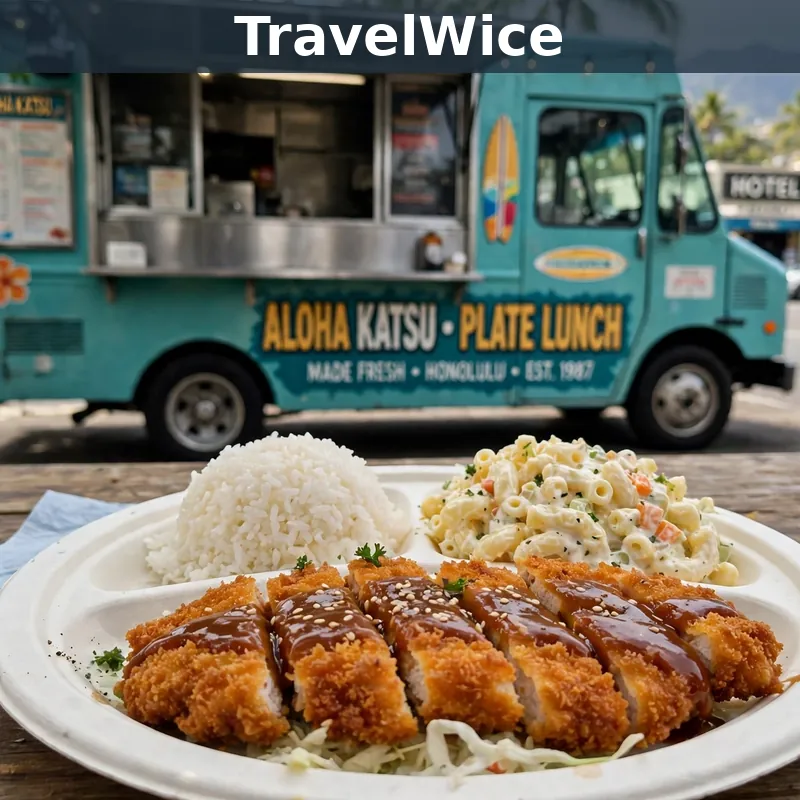
A plate lunch costs $10 to $18. It gives you rice, macaroni salad, and chicken katsu or teriyaki, and it fills you up for hours. A poke bowl costs $10 to $22. It gives you fresh fish, rice, and toppings, and it is the best lunch value on the islands. I ate plate lunches for lunch every day, and I never got bored, because the shops vary the meat, the sauce, and the sides.
Breakfast is the cheapest meal to fix. A hotel breakfast can cost $25 or more per person. A grocery run costs a fraction of that. I bought fruit, yogurt, and bread at a Waikiki grocery store, and my breakfast cost about $8 a day. A farmers market is even better, with pineapples, papayas, and flowers, and it doubles as a fun morning out. Our Hawaii family vacation guide for 2026 covers food with kids, and the same rules work for adults.
Dinner is where the money goes. A casual dinner costs $20 to $35 per person. A sit-down dinner costs $40 to $80 per person. And a high-end dinner can pass $100 per person with drinks. I ate one nice dinner on my trip, and I ate casual food the rest of the time. That split gave me the experience without the bill shock. And shave ice, at a few dollars, is the cheapest joy in Hawaii. Buy it often.
Luaus, Snorkelling, and the Big-Ticket Days
A luau is the most expensive single evening in Hawaii, and it is worth planning for. Luaus run about $109 to $296 per adult. Most general seating falls in the $150 to $200 range. Germaine’s is a useful benchmark: the Makai package costs $128, the Original costs $167, and the Plumeria costs $242. Kids cost less, but a family of four still pays several hundred dollars for one evening. Book early, because the popular luaus sell out.
A snorkel tour costs $109 to $265 per person, and most run about $139. That price usually covers gear, the boat, and a guide. Morning tours give the best value, because the water is calmer and clearer, and the light is better. A private tour costs far more, and most travellers do not need it. A group boat with 20 people sees the same fish as a private boat with 4.
Other tours add up too. A Na Pali Coast boat tour from Port Allen costs $169 to $295 per adult, and it runs 4.5 to 6 hours. Winter swells from November to March often cancel the snorkelling part, so check the forecast and the operator’s policy before you book. A whale watch in winter costs about the same as a snorkel tour, and it is the best money I spent on Maui. Check prices before you book any tour, because they shift with the season, and a price from last year may not hold.
The Free and Cheap Sights That Balance the Budget
Hawaii has more free sights than any beach trip I know, and they balance the paid days. Waikiki Beach is free. The sunset is free. Diamond Head costs $5 a person for non-residents, and kids under 3 enter free. Pearl Harbor is free to enter, with a $1 booking fee for the memorial boat. Our Pearl Harbor guide for 2026 covers that morning in full.
State parks charge $5 a person plus $10 per vehicle at the fee parks. Kids aged 3 and under enter free. Hawaii residents enter free with ID. Haleakala National Park charges $30 per private vehicle, valid for 3 days across both districts. Hawaii Volcanoes National Park charges $30 per private vehicle, valid for 7 days. And the Hawaii Tri-Park Annual Pass costs $55, which covers both parks plus one more, and it pays for itself if you visit both parks on one trip.
Hanauma Bay costs $25 for non-residents aged 13 and up, and kids 12 and under enter free. Waimea Canyon costs $5 a person plus $10 per vehicle, with one ticket valid at both the canyon and Koke’e lots. Haena State Park costs $5 a person plus $10 per vehicle, and the shuttle costs about $45 per adult and $25 per child aged 4 to 15. Those fees are small next to a luau, and the views are just as good. Plan one paid day and one free day, back to back, and the budget stays sane.
Island Hopping: The Flight Math
There is no passenger ferry between Oahu, Maui, Kauai, and the Big Island for visitors. The Superferry stopped running in 2009. The only scheduled passenger ferry is Expeditions, which runs from Ma’alaea on Maui to Manele on Lanai, in about 75 minutes, for about $30 one-way. So island hopping means flying, and flying means time and money.
Inter-island flights take 20 to 50 minutes in the air, and most take 30 to 45 minutes. But the door-to-door trip takes 3 to 4 hours, once you add the airport, security, and the drive on each end. Fares run $70 to $150 one-way when you book early. Last-minute fares run $150 or more. The old $39 sale fares are gone, so do not plan around them.
Checked bags cost about $30 for the first bag and $40 for the second, on Hawaiian and Southwest. That adds $60 to a round trip for one bag, and $120 for a couple with two bags. Pack light, and carry on if you can. A carry-on bag and a personal item cover a 3-day island hop easily, and they save you the bag fee and the wait at the carousel. Our Hawaii travel guide for 2026 covers the island plan and the flight math.

Three Budgets: Budget, Mid-Range, and Family
A budget traveller can do Hawaii for about $150 to $200 a day, before flights. Stay in a 3-star hotel a block from the beach, or in a hostel. Eat plate lunches and poke bowls. Walk and ride TheBus. And lean on the free sights: the beach, the sunset, Diamond Head, and Pearl Harbor. The trip will feel rich, because the best parts of Hawaii are free. The ocean does not charge admission.
A mid-range couple should plan about $350 to $450 a day, before flights. That covers a $300 room after tax, a $50 resort fee, food at $80 to $130 a day for two, and one paid activity every other day. A luau and a snorkel tour fit inside that budget if you space them out. That mid-range trip for 5 nights lands around $1,750 to $2,250, before flights, and the hotel is the biggest line by far.
A family of four should plan about $500 to $650 a day, before flights. That covers a larger room or a rental, food for four, and one paid activity a day. A luau for four can cost $600 or more, so treat it as the splurge of the trip, not a daily event. And a rental car on Maui or the Big Island adds $65 to $110 a day plus fuel. The family budget is a choice, not a fixed number, and the beach is the free part that makes it work. For the same honest method on another trip, read our Texas trip cost guide for 2026.
When to Go to Save Money
Winter is peak season in Hawaii, and prices show it. November to March brings the best weather and the highest hotel rates. Summer is also busy, with families on school holidays. The cheapest times are the shoulder weeks: late April to early June, and September to early November. The weather is still warm, the crowds are thinner, and the hotel rates drop.
I visited in late November, and I paid peak prices for the hotel. The weather was perfect, with highs near 84 and lows near 72, and the ocean sat at 79 degrees. I do not regret the timing, but I know I paid for it. If I went again on a budget, I would pick late April, when the whale season is ending, the rain is light, and the rates have eased. The ocean is still warm, the sun is still strong, and the beach is quieter.
Book flights 2 to 3 months ahead for the best fares. Book hotels at the same time, and check the cancellation policy before you pay. A refundable rate costs more, but it lets you rebook if the price drops. I rebooked my hotel once, when the rate fell by $20 a night, and I saved $100 on a 5-night stay. That is real money, and it took five minutes. Check the National Weather Service Honolulu forecast before you travel, and pack for the season you booked, not the season you wish for.
Money Mistakes I Made
My first mistake was booking the cheapest room rate without checking the total. The rate looked good. The taxes, the resort fee, and the parking added $180 a night. I should have compared the all-in total, not the headline rate. Compare totals, always, and the cheapest room is often not the cheapest stay.
My second mistake was renting a car for the whole Waikiki stay. I paid $65 a day for the car and $65 a night for parking, and I used the car twice in five days. I should have rented for two days only, and walked the rest of the time. That mistake cost me about $300, and it taught me to rent by the day, not by the trip.

My third mistake was eating breakfast at the hotel every morning. The buffet cost $25 per person, and it was fine, but a grocery breakfast cost $8 and tasted just as good. I switched on day three, and I saved $34 a day for two people. That is $68 over the rest of the trip, and it bought our luau drinks. Small choices add up in Hawaii, and the small ones are the easiest to fix.
Hawaii Trip Cost at a Glance
| Item | Cost in 2026 | Notes |
|---|---|---|
| Waikiki hotel, mid-range 3-star | $180–$280/night | Before 18.712% tax and fees |
| Waikiki hotel, 4-star | $250–$450/night | Before tax and fees |
| Hotel tax, total | 18.712% | On room plus resort fee |
| Resort fee | $35–$56/night | Before tax |
| Self-parking | $55–$69/night | Valet $52–$89/night |
| Plate lunch | $10–$18 | Best lunch value |
| Poke bowl | $10–$22 | Fresh fish, rice, toppings |
| Luau, per adult | $109–$296 | Most general seating $150–$200 |
| Snorkel tour, per person | $109–$265 | Typical about $139 |
| Economy car rental | $50–$90/day | Compact SUV $65–$110/day |
| Inter-island flight | $70–$150 one-way | Booked early |
| HNL to Waikiki rideshare | $25–$45 | Typical $30–$36 |
Chart: Where a Mid-Range Day’s Money Goes
This chart breaks down a mid-range day of about $400 for a couple, so you can see how the money splits.
Hotel all-in, about $200 a night share: ████████████████████████████ 50%
Food, about $100 a day: ██████████████ 25%
Activities, about $60 a day: ████████ 15%
Transport, about $25 a day: ███ 6%
Snacks and extras, about $15 a day: ██ 4%
The hotel is half the day, and that is the story of Hawaii costs. Food is second, at a quarter, and it is the cost you control most. Activities are third, and the free sights keep that number down. Transport is small, because Waikiki is walkable, and a rental car only matters on the other islands. So the practical takeaway is simple: pick the hotel by the all-in total, eat plate lunches at midday, book one paid activity every other day, and the trip costs what you planned.
References
- Hawaii Tourism Authority — official Hawaii visitor information and trip planning help.
- City and County of Honolulu — Hanauma Bay reservations, fees, and closure notices.
- National Park Service — park entry fees, passes, and visitor guidance across Hawaii.
- recreation.gov reservations — Pearl Harbor and Haleakala sunrise bookings.
- National Weather Service Honolulu — Honolulu weather forecasts before your trip.
Hawaii Trip Cost Guide Quiz
Test what you picked up from this guide before you book.
1. What is the total Waikiki hotel tax, and what does a $300 room cost after tax?
- A) 10% tax, $330 after tax
- B) 18.712% tax, $356.14 after tax
- C) 25% tax, $375 after tax
2. What do Waikiki resort fees typically run, before tax?
- A) $5 to $10 a night
- B) $100 to $150 a night
- C) $35 to $56 a night
3. How much does a plate lunch cost, and how much does a poke bowl cost?
- A) Plate lunch $10 to $18, poke bowl $10 to $22
- B) Plate lunch $2 to $5, poke bowl $5 to $8
- C) Plate lunch $30 to $40, poke bowl $40 to $50
Final Two Questions
4. How much does an economy rental car cost per day, and what does a compact SUV cost?
- A) Economy $50 to $90 a day, compact SUV $65 to $110 a day
- B) Economy $10 to $20 a day, compact SUV $20 to $30 a day
- C) Economy $150 to $200 a day, compact SUV $200 to $250 a day
5. How much does a snorkel tour typically cost per person?
- A) $20 to $40 per person
- B) $500 to $600 per person
- C) $109 to $265 per person, typical about $139
Quiz Answers
-
B) 18.712% tax, $356.14 after tax — Waikiki hotels charge 18.712% total tax, and a $300 room costs $356.14 after tax.
-
C) $35 to $56 a night — Resort fees in Waikiki typically run $35 to $56 a night, before tax.
-
A) Plate lunch $10 to $18, poke bowl $10 to $22 — A plate lunch costs $10 to $18, and a poke bowl costs $10 to $22.
-
A) Economy $50 to $90 a day, compact SUV $65 to $110 a day — An economy car costs $50 to $90 a day, and a compact SUV costs $65 to $110 a day.
-
C) $109 to $265 per person, typical about $139 — A snorkel tour costs $109 to $265 per person, and most run about $139.