

Hawaii Family Vacation Guide 2026: Beaches, Luaus & Kid-Friendly Days
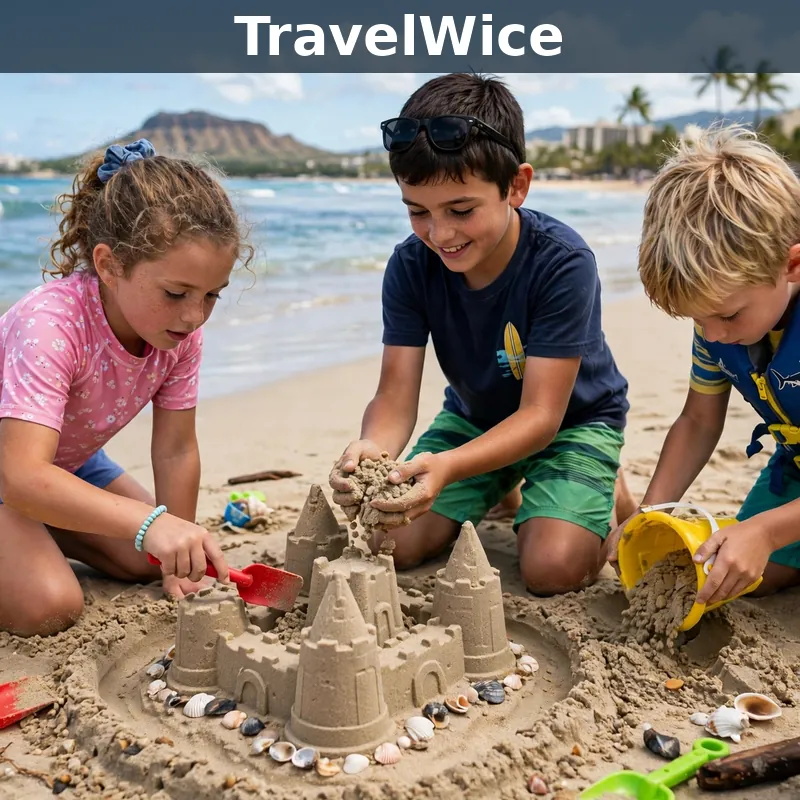
My daughter built a sandcastle on Waikiki Beach at 8 in the morning. A wave took the top off it before she finished the flag. She laughed, rebuilt it, and lost it again. By the third castle, she had figured out the trick. Build further up the sand, where the waves only reach at high tide. That is Hawaii with kids in one small scene. You plan, the ocean edits the plan, and the kids love it anyway. This Hawaii family vacation guide comes from our trip as a family. It covers the beaches that worked, the luau that won over my picky eater, and the days I planned too much.
TL;DR: Base a first family trip on Oahu, in Waikiki, and give it 5 to 7 days. Plan one big thing per day, and leave the afternoons open for the beach and a nap. Waikiki’s gentle waves suit beginners, and a luau, a snorkel trip, and a pineapple train ride cover most ages. Book luaus and snorkel trips early, because they sell out, and budget $109 to $296 per adult for a luau and $109 to $265 per person for a snorkel tour. Pack reef-safe sunscreen, water shoes, and patience.
Why Oahu First, and Why Waikiki Works
Oahu suits a first family trip because everything sits close together. Waikiki Beach, Diamond Head, Pearl Harbor, the zoo, and the aquarium all sit within a short drive of each other. You do not need a long drive to reach the next thing. You do not need to pack the car for a full day away, either. That matters when you travel with kids. A four-year-old needs a nap at 1 PM, and a ten-year-old needs a snack every two hours.
Waikiki Beach itself is gentle, and that is the key word. The waves roll in small and slow near the shore, and the sand slopes gently into the water. My daughter waded in up to her knees without a wave knocking her over. My son tried a boogie board for the first time and stood up on his third try. The beach has lifeguards, showers, and shade under the palms. The hotels sit right behind the sand, so a forgotten hat or a tired child is a five-minute walk away.
Stay in Waikiki if you can, even though it costs more. A hotel near the beach saves you the daily drive, the parking hunt, and the tired walk back with sandy kids. And Waikiki has food on every block. From plate lunches to poke bowls to shave ice, a hungry child never waits long. Our Waikiki Beach guide for 2026 covers the beach zones and the best family spots in detail.
Picking the Right Island for Your Kids’ Ages
Oahu fits most families, but the other islands each suit a different age. Maui suits families with kids aged 6 and up. The Road to Hana, the Haleakala sunrise, and the snorkel trips need stamina and patience. A toddler will not enjoy a 12-hour Hana drive, but an eight-year-old will remember the waterfalls for years. Our Maui travel guide for 2026 covers the island in full, and our Road to Hana guide for 2026 gives the honest version of that drive with kids.
Kauai suits slow families who like beaches and easy walks. The island moves at a gentler pace, and the beaches are quieter than Waikiki. But Kauai needs more driving, and the Na Pali Coast hikes are too hard for small kids. The Big Island suits families with older kids who love volcanoes and stars. Hawaii Volcanoes National Park has short trails a ten-year-old can handle, and the black-sand beaches feel like another planet. Check the park page before you go, because the volcano erupts in episodes, and lava shows only during an episode.
My rule is simple: one island for a first trip, two islands only if you have 10 days or more. Island hopping with kids means another flight, another hotel check-in, and another day lost to travel. Inter-island flights take 30 to 45 minutes in the air. The door-to-door trip takes 3 to 4 hours, and fares run $70 to $150 one-way when you book early. That is a lot of effort for a family that could spend the day on the beach instead.
The Beach Days: What Actually Works
Plan beach time in the morning, when the sun is softer and the kids have energy. We hit the sand by 8:30 AM, swam until 11, and left before the midday sun turned harsh. Then we ate lunch, napped, and came back at 4 PM for a second swim and the sunset. That rhythm worked for five days straight, and no one burned out.
Bring the right gear. Reef-safe sunscreen is a must, because Hawaii bans sunscreens with oxybenzone and octinoxate, and the sun here burns fast. Apply it before you leave the hotel, and reapply after every swim. Water shoes help on rocky beaches, and a rash guard saves you half the sunscreen battle with a squirming child. Pack a small beach bag with towels, water, and snacks. Add a change of clothes, because wet kids in a car are a special kind of misery.
Teach the ocean rules on day one, in plain words. Never turn your back on the ocean. Stay where you can touch the bottom. And if a wave knocks you over, roll with it and stand up. My son learned the first rule the hard way, when a wave caught him from behind and filled his shorts with sand. He laughed, I laughed, and he never turned his back on the ocean again. That lesson cost nothing and stuck better than any warning I gave him.
Snorkelling With Kids: Turtles, Fish, and Real Rules
Snorkelling is the activity my kids still talk about, months later. We saw a green sea turtle glide past us, slow and calm. My daughter whispered through her snorkel, which is not easy to do. A snorkel tour costs $109 to $265 per person, and most run about $139. Book a morning tour. The water is calmer and clearer before the wind picks up, and the light is better for seeing fish.
Pick a tour that welcomes kids, and ask about ages before you book. Some boats set a minimum age, and some provide kid-sized masks and life jackets. Bring your own mask if your child has a small face, because a leaky rental mask ruins the whole trip. And practise in the hotel pool first, if you can. Ten minutes in a pool teaches a child how to breathe through a snorkel. It saves ten minutes of panic in the ocean.
Hanauma Bay is the classic Oahu snorkel spot, and it suits families well. Non-residents pay $25 for ages 13 and up, and kids 12 and under enter free. Hawaii residents and active US military enter free. You must book ahead. Reservations open exactly 2 days ahead at 7 AM Hawaii time, and about 25% of spots are held for walk-ins. The bay closes every Monday and Tuesday, plus Christmas and New Year’s Day. Entry runs 6:45 AM to 1:30 PM, with the beach cleared by 3:30 PM. Everyone watches a short education video first, and parking costs $3 per vehicle, cash only. One flag: the bay closed for a short time in August 2026 and reopened on August 19, 2026. Another closure is planned in early 2027, so check the City page before you go. Our Honolulu travel guide for 2026 covers Hanauma Bay in detail.

The Luau: Book Early, Eat First, Stay for the Fire
A luau is the one big evening every family should plan, and it is the one you must book early. Luaus run about $109 to $296 per adult, and most general seating falls in the $150 to $200 range. Kids cost less, but the price still adds up for a family of four. So book the luau on day one of your planning, not day one of your trip. The popular luaus sell out days ahead, especially in winter.
Eat before you go, or at least feed the kids a snack. A luau starts with activities and photos, and dinner comes later than a hungry child expects. My daughter ate a plate lunch at 4 PM, and she still asked when dinner would start at 6:30. The food itself is a feast: kalua pork, chicken, fish, rice, and tropical fruit, plus a kids’ table with familiar options. My picky eater tried the pork, liked it, and asked for more, which is the highest praise a luau can earn.
The show is the payoff. Hula dancers, fire knife dancers, and live music fill the stage. The torches light up as the sun goes down. My son sat still for the whole fire dance. That is a miracle for a boy who cannot sit still at dinner. Bring a light jacket for the kids, because the evening breeze cools fast after sunset, and the show runs outdoors. And take the family photo early, before the kids get sandy and sleepy.
Diamond Head With Kids: A Hike They Can Actually Finish
Diamond Head is the hike I recommend most for families. It is short, it has a clear payoff, and kids love the tunnel and the stairs. Non-residents pay $5 a person, and kids aged 4 and up pay the same, while kids under 3 enter free. Hawaii residents enter free with a Hawaii ID, and they need no reservation. Everyone else must book ahead at the state parks site, up to 30 days out. You must arrive within the first 30 minutes of your slot. Parking costs $10 per non-commercial vehicle.
The hike runs 1.6 miles round trip, with 560 feet of gain to a summit at 761 feet. Allow 1.5 to 2 hours with kids, and bring water, because there is no water on the trail. The 225-foot lighted tunnel is the highlight for younger kids, and the stairs near the top test everyone’s legs. My daughter counted the steps out loud, and she reached the top out of breath and proud. The view from the summit covers Waikiki, the ocean, and the whole south shore. It is the best family photo in Honolulu.
Go early, because the trail opens at 6 AM and the heat builds fast. The last reservation is 4 PM, and the last entry is 4:30 PM, and the park closes at 6 PM. It also closes on Christmas Day and New Year’s Day. Go at 7 AM. You will finish before the sun turns harsh, and you will have the whole day left for the beach. Check the Hawaii State Parks page for the current booking link before you go.
Pearl Harbor With Kids: Honest Advice
Pearl Harbor is worth a family morning, but it needs a plan and a talk first. The memorial and the visitor center cost nothing to enter, and the boat ticket costs $1 per person through recreation.gov. Book 8 weeks ahead at 3 PM Hawaii time, or 24 hours ahead in the second window. Programs run 8 AM to noon and 1 PM to 3:30 PM, and you should arrive a full hour early. Parking costs $7 a day. Our Pearl Harbor guide for 2026 covers the whole morning in detail.
Tell the kids the simple story before you go. A surprise attack happened here in 1941, many sailors died, and people come here to remember them. That frame helps a child understand the quiet, and it stops the visit from feeling scary. Kids love the boat ride most, because it moves and it feels like an adventure. The memorial itself asks for quiet, so set that rule on the boat, not on the memorial.
The museums have models and photos that hold a child’s eye for a while, but the long text panels will lose them fast. Let them look, ask questions, and move on. For kids under five, think about the film, because it runs about 25 minutes and shows real footage. You can skip it and still ride the boat, but check the current flow with a ranger first. And eat lunch after you leave, because the talk over lunch matters more than any exhibit.

Whale Watching in Winter: The Season to Plan Around
If you visit between December and May, whale watching is the family activity that feels like magic. Humpback whales visit Hawaii from November to May. The official season runs December 15 to May 15, with the peak from January to March. Up to 12,000 whales return each year, and the best viewing sits in the ‘Au’au Channel between Maui, Lanai, and Molokai. Boats must stay 100 yards away from the whales. So you watch from a respectful distance, and the whales often come closer on their own.
Book a morning boat in Maui if you can, because the water is calmer and the whales are active. Bring binoculars for the kids. A whale’s tail on the horizon looks small without them, and a pair of cheap binoculars turns a distant splash into a real sighting. And bring motion sickness medicine for anyone who feels queasy, because the channel can chop up by midday. My son felt sick on our first boat, and a ginger chew and a seat in the middle of the boat fixed it.
If a boat trip feels too much for young kids, watch from shore instead. Many Maui beaches offer whale sightings from the sand in peak season. The kids can play while you scan the horizon. That is a free, low-stress version of the same thrill. It works well for families with toddlers who will not sit still on a boat for two hours.
Rainy Days and Quiet Days
Hawaii rain comes in short bursts, and a rainy morning can turn sunny by lunch. Honolulu gets about 2 inches of rain a month in winter, and the showers pass fast. So do not cancel a beach day for a morning shower. Wait it out over breakfast, and check the National Weather Service Honolulu forecast before you change plans.
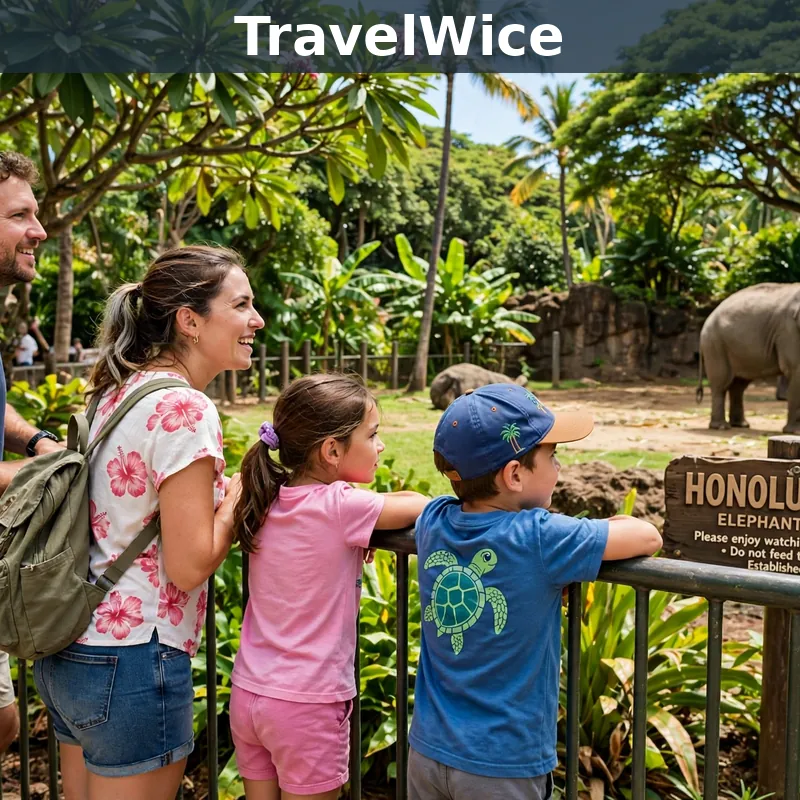
For a full rainy day, the Dole Plantation train ride suits young kids well. Green fields roll past, and a small train loops the plantation. The Honolulu Zoo also works on a cloudy day. Kids love the elephants and other animals, and the zoo sits near Waikiki, so you can reach it fast. Check hours and prices before you go, because they can change, and a quick check saves a disappointed child at the gate.
Quiet days matter as much as busy days. We built one slow day into our week, with no plan beyond the beach and a shave ice run. It was the day my kids remember best. They played in the sand for hours and built a whole village of castles. Then they fell asleep in the car on the way back. A family trip is not a checklist. It is a week of small moments, and the slow days give those moments room to happen.
Food With Kids: Plate Lunches, Poke, and Shave Ice
Hawaii food is kind to families, because it is casual, cheap, and everywhere. A plate lunch costs $10 to $18. It fills a hungry child with rice, macaroni salad, and chicken katsu or teriyaki. A poke bowl costs $10 to $22, and it works well for older kids who like fish. My son ordered a poke bowl on day two and declared it his favourite food. That is high praise from a boy who lives on pasta at home.
Shave ice is the treat that ends every beach day right. It costs a few dollars, it comes in bright colours, and it cools everyone down after the sun. Let the kids pick their own flavours, and let them make a mess. The syrup washes off, and the photo of a child with a blue tongue is a keeper. Food trucks and farmers markets also suit families. The kids can see the food, pick what they like, and eat outside without a formal restaurant.

For picky eaters, Waikiki has familiar options on every block, from pizza to burgers to pasta. Do not fight the picky eater on holiday. Let them eat what they like at lunch, and try one new dish at dinner. That deal worked for us, and my daughter tried poke, kalua pork, and fresh pineapple by the end of the week. She still prefers pasta, but she tried, and that is the win.
Where to Stay as a Family
A Waikiki hotel near the beach is the easiest choice for a first family trip. The room costs more, but the location saves time, and time is the scarcest thing on a family trip. Look for a room with a kitchenette or a fridge. A fridge holds milk, fruit, and snacks, and it saves you a fortune on breakfast. A hotel with a pool also helps, because the pool gives the kids a second swim when the beach feels too much.
Vacation rentals suit larger families, because they offer a kitchen, a living room, and separate bedrooms. But check the location carefully, because a rental a mile from the beach means a daily drive and a parking hunt. And check the resort fee and the parking fee before you book. Waikiki resort fees run $35 to $56 a night before tax, and parking runs $55 to $69 a night for self-parking. Those fees add up fast for a family, and our Hawaii trip cost guide for 2026 breaks down the full math.
Book a room with a view if you can, but do not pay double for it. The kids will not notice the view, and you will spend most of your time at the beach anyway. A garden-view room with a fridge beats an ocean-view room with no fridge, every time, for a family. And ask for a high floor away from the pool if your kids are light sleepers, because pool noise carries at night.
A 5-Day Family Plan That Works
Day one is arrival and the beach. Land, check in, and walk to Waikiki Beach for a late swim. Eat a plate lunch, buy sunscreen and snacks, and go to bed early. Next comes Diamond Head in the morning and the beach in the afternoon. Hike at 7 AM, swim at 4 PM, and eat shave ice at sunset. Midweek brings Pearl Harbor in the morning and the zoo or the aquarium in the afternoon. After that, try a snorkel trip or Hanauma Bay in the morning, and a luau in the evening. Finally, enjoy a slow beach day, with no plan beyond sandcastles and a last swim.
That plan leaves room for naps, snacks, and the inevitable meltdown. And it leaves one day free if you stay for a week, which you should use for a second island or a day trip. If you have seven days, add a Maui day trip or a North Shore drive, and read our Hawaii travel guide for 2026 for the island plan. The key is one big thing per day, not three. Kids remember one great thing per day, and they forget a rushed list.
Packing for Kids in Hawaii
Pack light, but pack smart. Reef-safe sunscreen, rash guards, water shoes, hats, and a small first-aid kit cover most needs. Bring a reusable water bottle for each child, because the sun is strong and the kids forget to drink. Bring snacks in the day bag. A hungry child on a trail is a crisis, and a fed child on a trail is an adventurer.
Bring a light jacket for each child, because the evenings cool down and the luau runs outdoors. Bring a change of clothes in the day bag. Wet kids happen, and a dry shirt after a swim feels like a fresh start. And bring a small backpack for each older child, so they can carry their own water and snacks. My son carried his own bag on Diamond Head, and he felt proud of it. He drank more water because it was his job to carry it.
Leave the fancy clothes at home. Hawaii is casual, and a t-shirt and shorts work everywhere, even at a luau. Leave the big stroller too, unless you have a baby, because Waikiki sidewalks are crowded and the trails are not stroller-friendly. A baby carrier works better for a toddler on a hike, and a small umbrella stroller works for the beach walk.
Hawaii Family Vacation at a Glance
| Activity | Best age | Cost | My tip |
|---|---|---|---|
| Waikiki Beach | All ages | Free | Go at 8:30 AM, back at 4 PM |
| Diamond Head hike | 5 and up | $5/person, parking $10 | Hike at 7 AM, bring water |
| Hanauma Bay snorkel | 6 and up | $25 ages 13+, kids 12 and under free | Book 2 days ahead at 7 AM HST |
| Snorkel tour | 6 and up | $109–$265/person | Practise in the pool first |
| Luau | All ages | $109–$296/adult | Book early, feed kids a snack first |
| Pearl Harbor | 7 and up | Free, $1 booking fee | Tell the story before you go |
| Whale watching | 5 and up | Tour price varies | Go in the morning, bring binoculars |
Chart: Where a Family Day’s Money Goes
This chart breaks down a family day of about $450 for two adults and two kids, so you can see how the money splits.
Hotel, about $200 a night share: ████████████████████████████ 44%
Food, about $100 a day: ██████████████ 22%
Activities, about $100 a day: ██████████████ 22%
Transport, about $30 a day: ████ 7%
Snacks and treats, about $20 a day: ███ 5%
The hotel is the biggest line, at almost half the day, and food and activities share second place. That split tells you where to save: pick a hotel with a fridge and eat breakfast in the room, and the food line drops fast. Pick one paid activity a day and fill the rest with free beach time, and the activities line drops too. So the family budget is a choice, not a fixed number, and the beach is the free part that makes it work.
References
- Hawaii Tourism Authority — official Hawaii visitor information and family travel planning.
- Hawaii State Parks — Diamond Head reservations, fees, and park hours.
- Pearl Harbor National Memorial — memorial tickets, programs, and visitor information.
- National Park Service — park passes, alerts, and visitor guidance across Hawaii.
- National Weather Service Honolulu — Honolulu weather forecasts before your trip.
Hawaii Family Vacation Guide Quiz
Test what you picked up from this guide before you book.
1. How much does a luau cost per adult, and what is the typical general seating range?
- A) $109 to $296 per adult, most general seating $150 to $200
- B) $50 to $75 per adult, most general seating $60
- C) $300 to $500 per adult, most general seating $400
2. How much does Hanauma Bay cost for a non-resident aged 13 and up, and when does it close each week?
- A) $5, closed on Sundays
- B) $25, closed every Monday and Tuesday
- C) $50, closed on Fridays
3. How much does Diamond Head cost for a non-resident, and how long is the hike?
- A) Free, 3 miles round trip
- B) $5 a person, 1.6 miles round trip
- C) $10 a person, 0.5 miles round trip
Final Two Questions
4. When is the peak whale season in Hawaii, and how far must boats stay from whales?
- A) June to August, 50 yards away
- B) September to November, 200 yards away
- C) January to March, 100 yards away
5. How much does an inter-island flight cost one-way when booked early?
- A) $70 to $150 one-way
- B) $10 to $20 one-way
- C) $300 to $400 one-way
Quiz Answers
-
A) $109 to $296 per adult, most general seating $150 to $200 — Luaus run about $109 to $296 per adult, and most general seating falls in the $150 to $200 range.
-
B) $25, closed every Monday and Tuesday — Hanauma Bay costs $25 for non-residents aged 13 and up, and the bay closes every Monday and Tuesday.
-
B) $5 a person, 1.6 miles round trip — Diamond Head costs $5 a person for non-residents, and the hike runs 1.6 miles round trip.
-
C) January to March, 100 yards away — Whale season peaks from January to March. Boats must stay 100 yards away from the whales.
-
A) $70 to $150 one-way — Inter-island fares run $70 to $150 one-way when booked early, and $150 or more last-minute.