

Hawaii Travel Guide 2026: Islands, Beaches & Real Costs
I stepped off the plane in Honolulu and felt warm air on my face. I knew right away that Hawaii plays by its own rules. My shoes squeaked on the airport floor, my hair went curly in seconds. A man in a flower shirt smiled at me like we already knew each other. I had planned this trip for months, and I still felt unready in the best way. Hawaii does that to you. It slows you down, it makes you look up, and it asks you to leave the rush at home. This Hawaii travel guide is the plan I wish I had in my hand that first day.
It covers Oahu, Maui, Kauai. The Big Island, with real prices, real reservations, and the mistakes I made so you can skip them.
TL;DR: Fly into Honolulu first, then hop between islands by plane, because no ferry links the main islands for visitors. Book Pearl Harbor, Diamond Head, Hanauma Bay, Haleakala sunrise, and Haena State Park weeks ahead, because each one needs a timed reservation in 2026. Budget about $285–$290 a night for a Honolulu hotel before tax, $10–$18 for a plate lunch, $150–$200 for a luau, and $70–$150 one-way for an inter-island flight booked early. Winter brings warm days, humpback whales, and huge North Shore surf, so pack light layers, reef-safe sunscreen, and good walking shoes.
Which Island Should You Pick First
Pick one island for a short trip, and pick two for a week. I say that because Hawaii looks small on a map, and it feels huge once you land. Each island has its own pace, its own weather, and its own kind of day. Oahu gives you city life, beaches, and history in one place. Maui gives you the Road to Hana, Haleakala sunrise, and long beach days. Kauai gives you green cliffs, slow mornings, and hikes that feel wild. The Big Island gives you volcanoes, black sand, and stars that fill the whole sky.
I loved all four, and I would still tell a first-timer to start with Oahu.
Why Oahu Comes First
Oahu works first because Honolulu has the most flights, the most hotels, and the easiest buses. You can land, ride TheBus to Waikiki for $3.00 with a HOLO card, and walk to dinner in ten minutes. You can also see Pearl Harbor, Diamond Head. A North Shore beach in three days without renting a car every day. That matters when you feel tired after a long flight. I rented a car for one day on Oahu. I used the bus and my own feet for the rest. My wallet thanked me, and my legs did not mind at all.
Maui suits a second trip, or a longer first trip with a slow pace. The Road to Hana takes a full day, and Haleakala sunrise means a 3 AM alarm. Kaanapali Beach gives you soft sand and calm water. The food in Lahaina keeps getting better as the town reopens in stages. Kauai suits travellers who want quiet, and the Big Island suits travellers who want space. Check the Hawaii Tourism Authority official site before you pick, because island pages there list current conditions, events. Travel tips in one place.
Oahu in Three Days, My Way
Day one on Oahu starts early, and it starts at Diamond Head. I booked my slot at the state parks booking site, and I paid $5 as a non-resident, plus $10 for parking when I drove. Hawaii residents enter free with a Hawaii ID, and they need no reservation. The park opens at 6:00 AM and closes at 6:00 PM, and the last entry runs at 4:30 PM. I took the first slot I could get, and I watched the sun climb over Waikiki from the top. The hike runs 1.6 miles round trip, with 560 feet of gain, and the summit sits at 761 feet. Allow 1.5 to 2 hours.
Bring water, because the trail has a 225-foot lighted tunnel and steep stairs near the top.
Pearl Harbor on Day Two
Day two belongs to Pearl Harbor, and you need to plan it like a train ticket, not a walk-in. The USS Arizona Memorial and the Visitor Center cost nothing to enter, but you must book online through recreation.gov. Same-day tickets at the gate no longer exist, and a standby callback system runs with no promise of a seat. Tickets cost a $1.00 booking fee each, and they sell out fast. They go on sale daily at 3 PM Hawaii time, in two windows: 8 weeks ahead and 24 hours ahead. You can book up to 10 tickets a day, and that count includes infants.
Programs run every 15 minutes from 8:00 AM to noon and from 1:00 to 3:30 PM. The whole visit takes about 45 minutes, with 10 to 15 minutes on the memorial itself. Arrive one hour early, and park for $7 a day. Read our Pearl Harbor guide for 2026 for the full ticket plan,. One missed step can cost you the morning.
What I Noticed Next
Day three takes you north, and the drive up the coast feels like a different island. The North Shore in winter runs from November to February. The waves run 8 to 30 feet on north-facing shores. I stood at Banzai Pipeline and watched surfers drop into waves that looked taller than houses. I stayed well back from the water, because winter surf here suits experts only. Waimea Bay wakes up when swells pass 15 feet, and Sunset Beach and Haleiwa fill with watchers too. In summer, the same beaches turn flat, with waves of 1 to 4 feet. Families swim where pros surf in winter.
I ate shrimp from a truck in Haleiwa, I walked the beach at sunset. I drove back to Waikiki as the sky turned pink. That one day still ranks near the top of my whole trip.
Waikiki Without the Tourist Trap Feel
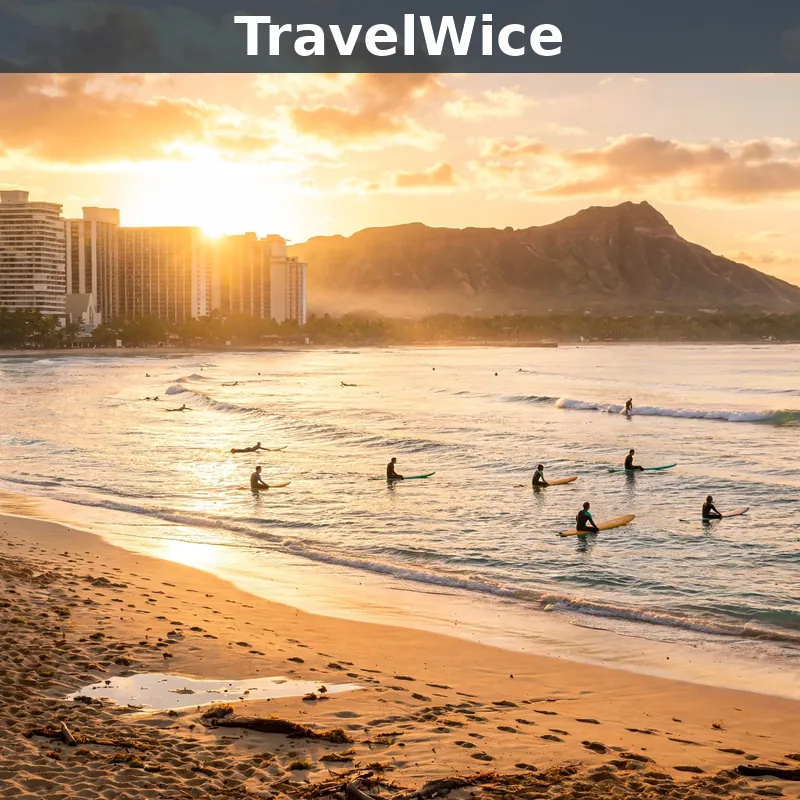
Waikiki gets a bad rap, and I get why. The towers look tall, the shops look fancy, and the beach looks crowded at noon. But Waikiki at 7 AM feels like a local beach, and that is the Waikiki I want you to meet. I walked out before breakfast. The sand felt cool, the water looked clear, and kids splashed near the shore while old men paddled outrigger canoes. Diamond Head sat at the end of the beach. The whole scene looked like a postcard that forgot to charge admission. Our Waikiki Beach guide for 2026 covers the surf spots, the hotels.
The free hula shows in detail, so read it before you book a room.
Money in Waikiki hides in the fine print, so read the total before you click book. The total hotel tax runs 18.712% on the room and the resort fee. That breaks down as 11% state tax, 3% Oahu tax, and 4.712% general excise tax. Resort fees run $35 to $56 a night before tax. Parking runs $55 to $69 a night for self-park, or $52 to $89 a night for valet, before tax. A $300 room becomes $356.14 a night after tax, before the resort fee and parking. I learned to search by the total price, not the headline price. I saved myself a nasty surprise at check-in.
A mid-range Waikiki hotel runs $180 to $280 a night for a 3-star, $250 to $450 for a 4-star. $450 to $1,000 or more for a 5-star, before tax and fees.
A Practical Note
Food in Waikiki can cost a lot, or it can cost very little. The gap comes down to where you walk. I ate a plate lunch for $10 to $18, and I followed it with a poke bowl for $10 to $22. Both meals filled me up. I also walked past restaurants that charge $40 for a plate of fish with a view, and I skipped them. My rule was simple: lunch from a counter or a truck, dinner from a place with a line of locals. One splurge meal per trip. The ABC Stores sell snacks, water.
Sunscreen at fair prices, and the farmers markets sell fruit that tastes like it just left the tree. If you want the full budget math, read our Hawaii trip cost guide for 2026 next,. It breaks down flights, hotels, food. Tours by budget level.
Hanauma Bay and the Reservation You Cannot Skip
Hanauma Bay looks like a dream. It acts like a popular restaurant: you need a booking, or you wait and hope. Non-residents pay $25 if they are 13 or older, and kids 12 and under enter free. Hawaii residents and active US military enter free too, and online bookings add a 2.35% fee. Reservations open exactly 2 days ahead at 7:00 AM Hawaii time through the City booking site. About 25% of spots stay back for walk-ins. The bay closes every Monday and Tuesday, plus Christmas and New Year’s Day. Entry runs from 6:45 AM to 1:30 PM. The beach clears at 3:30 PM, and everyone leaves by 4:00 PM.
Parking costs $3 per vehicle, cash only, and every visitor watches a short education video first.
I set an alarm for 7 AM, and I booked the earliest slot I could get. The water looked clear, the fish swam close to shore. The reef felt alive in a way that made me slow down. I wore reef-safe sunscreen, I did not touch the coral, and I kept my distance from the turtles. The bay closed for a short time in August 2026, and it reopened on August 19, 2026. A second closure is planned in early 2027, so check the City page before you go, because dates can shift. The City and County of Honolulu site lists current hours and closures.
I checked it the night before my visit.
Maui: Road to Hana, Haleakala, and Lahaina Today
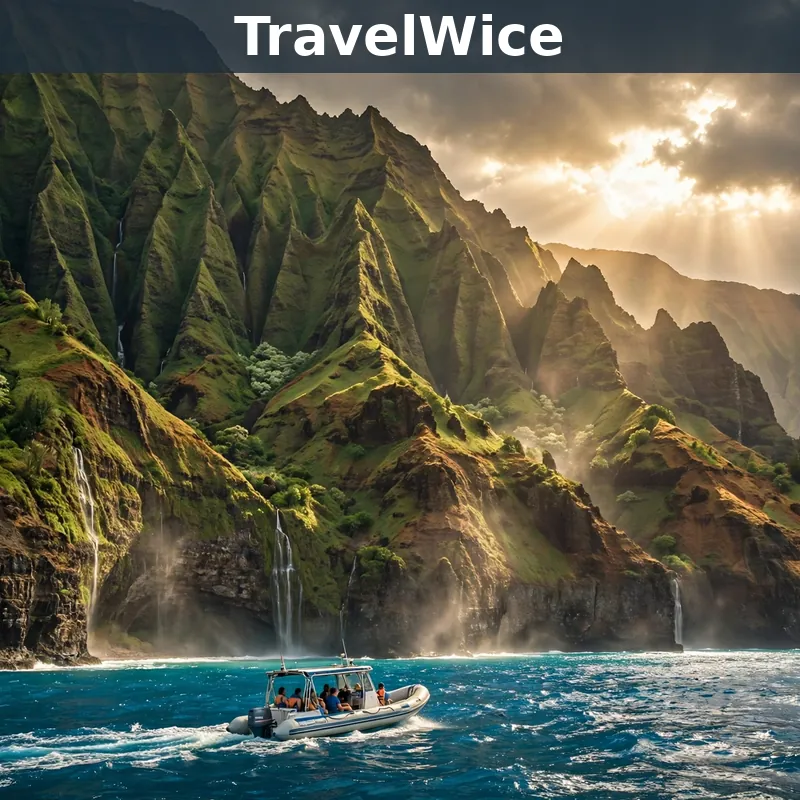
Maui gave me the two best days of my trip, and they could not feel more different. The Road to Hana gave me waterfalls, jungle, and a road that twists like a ribbon. Haleakala gave me cold air, thin light, and a sunrise above the clouds. I did Hana first, and I wish I had done Haleakala first, because the sunrise stays with you for days. Our Maui travel guide for 2026 covers both in full. Our Road to Hana guide for 2026 lists the stops worth pulling over for.
Haleakala needs a reservation for sunrise, and the rules are strict. You need a sunrise reservation if your vehicle enters the Summit District between 3:00 and 7:00 AM, all year round. The reservation costs $1.00 per vehicle through recreation.gov, and it does not include the park entry fee. Tickets go on sale 60 days ahead at 7 AM Hawaii time, with a smaller release 2 days ahead. Sunset needs no reservation, and that surprised me, because sunset looks just as good. Entry costs $30 per private vehicle, and the pass lasts 3 days for both districts.
Motorcycles pay $25, and walkers and cyclists pay $15 if they are 16 or older. The park takes cards only. Its summit sits at 10,023 feet, and the visitor center sits at 9,740 feet. From sea level, the drive runs about 38 miles, with 30 or more switchbacks. It takes 1.5 to 2.5 hours from Kahului. The summit runs 30 to 50 degrees colder than sea level, so bring a jacket, a hat, and gloves. I wore shorts at the beach and a fleece at the top, and I still felt cold in the wind.
How I Handled It
The Black-Sand Beach Stop
Wai’anapanapa State Park sits at Mile Marker 32 on the Road to Hana, about 3 miles before Hana town. It holds the black-sand beach that everyone photographs. Non-residents need a reservation, and no same-day or walk-in entry exists. Book up to 30 days ahead, because slots go at midnight Hawaii time. Fees run $5 per person plus $10 per vehicle for parking, per time slot. Kids 3 and under enter free. Slots run 7:00 to 10:00 AM, 10:00 AM to 12:30 PM, 12:30 to 3:00 PM. 3:00 to 6:00 PM, and the park stays open from 7 AM to 6 PM.
Swimming is not a good idea except in calm conditions, and no lifeguards work there. Construction in 2026 closed the eastern parking and tour-bus area. Campervan camping stays closed through March 2027, so check before you go. The Hawaii State Parks site lists current park status, and I checked it twice before my drive.
Lahaina deserves honest words, and I want to give you those words now. The August 2023 wildfires destroyed much of Lahaina town, and 102 people died on August 8, 2023. The town is reopening in stages, and rebuilding continues, so do not expect it to look like it did before. Front Street reopened to vehicles on August 1, 2026, from Papalaua Street to Shaw Street. Market Street, Papelekane Street, and Mokuhinia Place stay closed. Open now: Honu Oceanside, Star Noodle, Mala Ocean Tavern, Coco Deck, Aloha Mixed Plate, Lahaina Cannery Mall, Safeway. Longs Drugs, plus the Old Lahaina Luau.
The Detail That Mattered
Kaanapali, Kahana, Napili, and Kapalua never closed, and they stay fully open. The Banyan Tree, planted in 1873, is alive and regrowing. Banyan Tree Park stays fenced off for about 2 more years while it heals. Still closed and fenced: the Old Lahaina Courthouse, Baldwin Home Museum, Lahaina Library, Kamehameha Brick Palace, Kamehameha Iki Park. Malu Ulu o Lele Park. Lahaina Small Boat Harbor runs limited permitted commercial trips from December 2025, in daylight only. Free 3-hour parking sits at county lots at 500 Front Street and 116 Prison Street. Stay on marked public routes, stay off private land.
Treat the burn zone as a place of loss, not a sight. I ate lunch in Lahaina, I shopped at the Cannery Mall. I left with respect for the people who live and work there.
Kauai: Green Cliffs and Slow Mornings
Kauai felt like a deep breath after Oahu and Maui. The island moves slower, the rain falls softer. The cliffs look green in a way that photos never quite catch. I landed in Lihue, drove north to Hanalei, and watched the mountains turn misty by noon. Our Kauai travel guide for 2026 covers the Na Pali Coast, Waimea Canyon. Hanalei Bay in detail, and I lean on it here because Kauai rewards planning more than any other island.
Haena State Park and the Na Pali Coast need a reservation for all non-residents. You book through the Haena reservation site up to 30 days ahead, at midnight Hawaii time. No walk-up entry exists. Fees run $5 per person plus $10 per vehicle. The shuttle costs about $45 per adult and about $25 per child aged 4 to 15. The Kalalau Trail runs 11 miles each way, or 22 miles round trip, and it counts as difficult. A day reservation covers only the first 2 miles, to Hanakapiai Valley. Beyond Hanakapiai, you need a Napali Coast camping permit even for a day hike.
It costs $35 per person per night for non-residents, bookable 90 days ahead. Haena closed on September 6, 2026, after Hurricane Lowell. It reopened for day use on October 14 to 15, 2026. Beyond Hanakapiai and camping stayed closed as of late October 2026, so check DLNR notices on the day you go. Boat tours from Port Allen run 4.5 to 6 hours and cost $169 to $295 per adult. Winter swell from November to March often cancels snorkelling.
What to Do Next
Waimea Canyon sits about 10 miles long and up to about 3,000 feet deep. People call it the Grand Canyon of the Pacific for good reason. Non-residents pay $5 per person plus $10 per vehicle, kids 3 and under enter free, and no advance reservation exists. One parking ticket works at both Waimea Canyon and Koke’e lots. Lookouts run in road order: Waimea Canyon Lookout at about 3,400 feet. Pu’u Ka Pele, Pu’u Hinahina at 3,640 feet, Kalalau Lookout at about 4,000 feet, and Pu’u o Kila. Reopening dates disagreed in late 2026, with October 24 and November 7 both in circulation.
Higher lookouts and Koke’e Road stayed closed, so check DLNR before you drive up. I drove up on a clear morning. The canyon walls glowed red and green. I stood at Kalalau Lookout for a long time without saying a word.
The Big Island: Volcanoes, Black Sand, and Stars
The Big Island is the youngest island, and it feels like it. The land looks fresh, the lava looks black and sharp, and the volcanoes remind you that the earth still moves here. I flew into Kona, drove to Hawaii Volcanoes National Park, and spent a full day walking trails that cross old lava flows. Our Big Island Hawaii guide for 2026 covers the park, the black-sand beaches, the coffee farms, and the stargazing in full, so use it as your day plan.
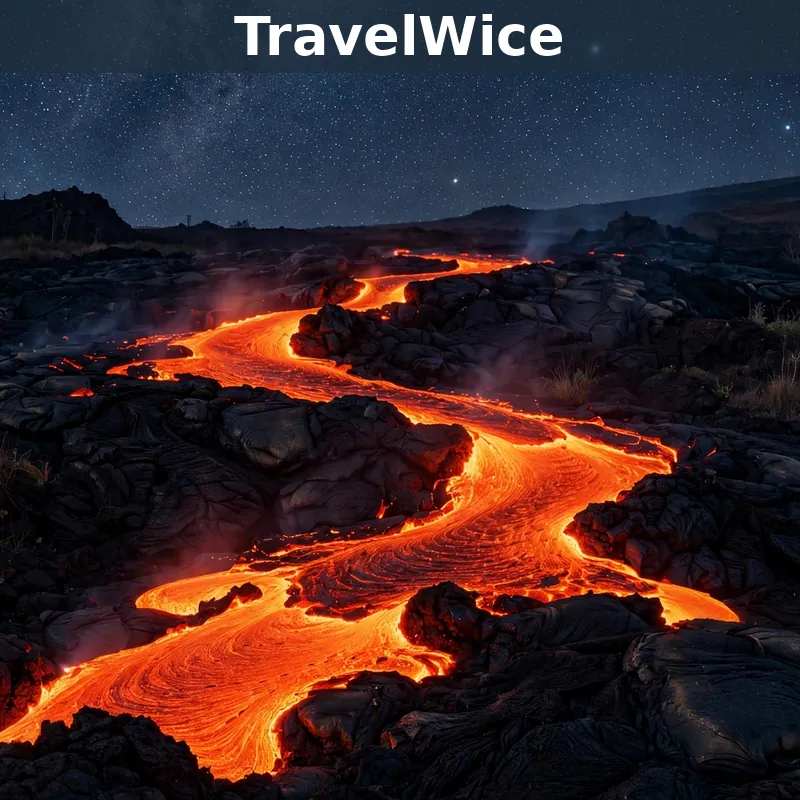
Entry to Hawaii Volcanoes National Park costs $30 per private vehicle, and the pass lasts 7 days. Motorcycles pay $25, and walkers and cyclists pay $15 if they are 16 or older. The park takes cards only, stays open 24 hours, and needs no reservation. The Hawaii Tri-Park Annual Pass costs $55, and it covers the national parks in Hawaii. Kilauea has erupted in episodes from Halema’uma’u since December 23, 2024. Episode 56 ran on November 5, 2026, while Episode 57 ran on November 23, 2026. As of November 26, 2026, the US Geological Survey said the eruption had paused.
The next episode had a forecast window of December 3 to 16, 2026. Lava shows only during an episode, from overlooks, and it never comes with a promise. I checked the park alerts the morning I went, and I planned my day around the trails, not the lava. The Hawaii Volcanoes National Park site lists current eruption status. For all park alerts in one place, check the National Park Service site.
A Small Tip From My Trip
The main sights reward a slow day. Kilauea Overlook and Uekahuna give you the crater view, Steam Vents and Sulphur Banks give you heat and smell. The Kilauea Iki Trail runs 3.3 to 4 miles in a loop, in 2 to 3 hours. Nahuku, also called the Thurston Lava Tube, runs a 0.4-mile loop in about 30 minutes. Chain of Craters Road runs 19 miles to the Holei Sea Arch. Pu’uloa Petroglyphs and the Devastation Trail round out the day, and each one feels different from the last. The old visitor center closed for renovation in February 2025. The temporary Welcome Center runs from 9 AM to 4:45 PM.
I arrived at 9 AM, I asked a ranger for the best trail that day. I followed her advice, and it made the whole day better. Rangers know the wind, the vog, and the trail closures, so ask them first.
Punalu’u black-sand beach sits on the south coast, and it gave me one of my quietest hours in Hawaii. The sand looks black, the palms lean over the shore, and green sea turtles rest on the sand. I kept my distance, I stayed quiet, and I watched a turtle breathe and blink in the sun. Kona coffee farms sit on the west slopes, and a farm tour costs little and teaches a lot. Mauna Kea gives you stars at night. The sky there looks so full that you stop counting and just stare. Bring warm clothes for the summit, because the air turns cold fast after sunset.
Before You Move On
Drive with care on the mountain roads.
Getting Between Islands Without a Ferry
No passenger or car ferry links Oahu, Maui, Kauai. The Big Island for visitors, and the Superferry stopped in 2009. The only scheduled passenger ferry runs between Ma’alaea on Maui. Manele on Lanai, with Expeditions, in about 75 minutes, for about $30 one-way. That means you fly between islands, and you should plan for it like a real flight, not a bus ride. Hawaiian Airlines runs about 170 daily inter-island flights, and Southwest and Mokulele fly smaller routes too. Flight time runs 20 to 50 minutes in the air, often 30 to 45 minutes. Allow 3 to 4 hours door to door, because airports, security. Rental cars all take time.
Fares swing a lot, so book early and stay flexible. A safe range runs $70 to $150 one-way when you book early, and $150 or more last-minute. The old $39 sale fares are gone, so do not wait for them. Checked bags cost about $30 for the first bag and $40 for the second on Hawaiian and Southwest. Pack light or share a bag. I booked my inter-island flights on the same day I booked my hotels, and I picked morning flights, because morning flights give you a full day on the next island. I also left a gap of at least 3 hours between a flight.
A tour, because a delay on one island can eat a whole afternoon on the next.
When to Go: Winter, Whales, and Rain
Winter in Hawaii runs warm, and that is why so many people pick it. Honolulu in November runs a high of 84°F and a low of 72°F, and December runs 82°F and 69°F. January runs 80°F and 67°F, and February runs 80°F and 67°F. The sea stays warm too: 79°F in November, 77°F in January, and 76°F in February. Rain runs about 2.25 inches in November, 2.18 inches in December, 1.84 inches in January, and 1.94 inches in February. Showers pass fast, and flash floods can happen. Check the National Weather Service Honolulu forecast each morning, and do not hike a stream trail after heavy rain.
Whales in Winter
Humpback whales visit Hawaii from November to May. The official season runs December 15 to May 15, with a peak from January to March. Up to about 12,000 whales return each year. The best viewing sits in Maui, Lanai, and Molokai, in the ‘Au’au Channel. I took a whale watch off Maui in February. I saw a mother and calf breach twice, and the whole boat went quiet. The rule is simple: stay 100 yards away from whales, and let the captain handle the distance. I booked a morning trip, because the sea runs calmer in the morning.
I took motion-sickness tablets just in case, and I felt glad I did.
Summer brings warmer water, calmer surf on the South Shore. More families, and it also brings higher hotel prices in peak weeks. Shoulder months like April, May, September. October give you good weather, lower prices, and fewer crowds, and I would pick them for a second trip. Winter gives you whales and big surf, and it gives you rain showers that pass in ten minutes. I packed a light rain jacket. I used it three times, and each time the sun came back out before I finished my coffee.
Food, Luaus, and the Plate Lunch
Hawaii food tastes like the islands: rice, fish, pork, pineapple. A mix of cultures that all landed here and stayed. A plate lunch costs $10 to $18. It usually gives you rice, macaroni salad, and a main like chicken katsu or kalua pork. A poke bowl costs $10 to $22. It gives you raw fish, rice, and sauce in a bowl that fills you up. I ate poke for lunch three days in a row. I still think about the ahi poke I had in Honolulu, with sesame, onion, and a little heat. Shave ice costs a few dollars.
It cools you down fast, and the best stands use real fruit syrup, not just colour.
A luau costs about $109 to $296 per adult, and most general seating runs $150 to $200. Germaine’s runs $128 for Makai, $167 for the Original. $242 for Plumeria, and those prices show how much the tier matters. I booked a luau on Oahu. I arrived hungry, and I watched hula, fire dancing, and the imu pig come out of the ground. The food ran buffet style, the music ran loud, and the sunset ran pink behind the stage. Book early, because luaus sell out in winter. Pick a luau with a good view, not just a low price.

Kids love luaus, and our Hawaii family vacation guide for 2026 lists the best family picks, with ages and prices.
Snorkelling and Luaus
Snorkel tours cost $109 to $265 per person, and a typical tour runs about $139. I took a morning snorkel tour off Waikiki. The water felt warm, the fish looked bright. The guide pointed out a turtle that swam right under our boat. Bring reef-safe sunscreen, because regular sunscreen harms coral, and bring a rash guard if you burn fast. I wore a rash guard. I stayed in the water for an hour without a burn, and that felt like a win. Food for a day runs $40 to $60 on a budget. $80 to $130 for a comfortable day, so plan your meals like you plan your tours.
What I Ate That I Still Miss
I still miss the loco moco I had in Hilo, with rice, a beef patty, a fried egg. Brown gravy, and I still miss the malasadas I bought warm from a bakery truck. I still miss the spam musubi I grabbed at a convenience store at 7 AM. I still miss the fresh pineapple I ate at a farmers market in Honolulu. The food in Hawaii does not try to impress you with fancy plates, and it does not need to. It feeds you well, it costs less than a resort dinner, and it tastes like the place it came from.
Eat at counters, eat at trucks, eat at markets, and save the fancy dinner for one night.
Getting Around Oahu Without a Car Every Day
Honolulu to Waikiki runs about 9 to 10 miles. The drive takes 20 to 30 minutes in normal traffic, or 40 to 60 minutes in rush hour. TheBus costs $3.00 with a HOLO card or $3.25 cash. The W Line runs direct, about every 10 minutes, in 35 to 70 minutes total. A shared shuttle costs $15 to $29 per person one-way. Uber or Lyft costs $25 to $45, often $30 to $36. A metered taxi costs $35 to $50, often about $45. Charley’s runs a flat-rate taxi for $38 per car if you pre-book. Rideshare pickups sit on Level 1, the ground level, since October 2025.
Follow the signs at the airport and do not wait upstairs.
I used TheBus for most of my Oahu days, and it worked well. The buses run on time, the drivers help with directions, and the HOLO card saves money over cash. I rented a car for one day to drive the North Shore. I paid $50 to $90 a day for an economy car. Or $65 to $110 a day for a compact SUV. I booked the car early. I returned it with a full tank, and I avoided the hotel parking fee by returning it the same day. That trick saved me $55 to $69 in parking.
It gave me a full day of freedom for the price of one rental day. On Maui, Kauai, and the Big Island, a car matters more,. Buses run less often and sights sit far apart.
Seven Days in Hawaii, Two Islands
Day one: land in Honolulu, ride TheBus to Waikiki, walk the beach at sunset. Eat a plate lunch for dinner. Day two: Diamond Head at sunrise, Waikiki beach in the afternoon, and a free hula show in the evening. The third day starts at Pearl Harbor in the morning, then downtown Honolulu and Iolani Palace in the afternoon, and dinner in Chinatown. Day four means a North Shore drive, surf watching, shrimp in Haleiwa, and a sunset drive back. On the last day, fly to Maui in the morning, drive to Kaanapali, swim in the afternoon, and watch the sunset from the beach.
Day six: Haleakala sunrise, with a 3 AM alarm and a warm jacket, then a slow afternoon in Paia. Day seven: Road to Hana, with an early start, a black-sand beach stop, and a drive back before dark. That plan gives you two islands, three big sights. Time to rest, and it leaves room for a whale watch, a luau, or a second beach day if you add a day.
If You Have Ten Days
If you have ten days, add Kauai for three days. Hike the first 2 miles of the Kalalau Trail, drive Waimea Canyon, and spend a morning in Hanalei Bay. If you have two weeks, add the Big Island for three days. Spend one day at the volcano park, one day on the Kona coast, and one night under the stars. I did the seven-day plan first. I came back for Kauai and the Big Island later. Both trips felt right, because I never rushed a day to fit a list.
Packing List That Actually Helps
Pack reef-safe sunscreen, a rash guard, a light rain jacket, a fleece for Haleakala. Mauna Kea, good walking shoes, sandals for the beach, a reusable water bottle. A dry bag for your phone. Leave the heavy coat, the fancy shoes. The big suitcase at home, because Hawaii runs casual, and a small bag moves faster through airports. Bring cash in small bills for parking, food trucks. Tips, because some lots take cash only, and Hanauma Bay parking costs $3 cash. Bring a phone charger, because you will take more photos than you expect. Bring a hat, because the sun feels strong even on a cloudy day.
Staying Safe, Respectful, and Sensible
Hawaii asks for respect, and it rewards it. The ocean looks calm. It can turn fast, so never turn your back on the waves. Never swim alone at a beach with no lifeguard. Shorebreak can knock you down. Currents can pull you out, and the North Shore in winter is not a place to test your luck. I watched the surf from the sand, I stayed behind the warning signs, and I swam only where lifeguards worked. That rule kept me safe, and it let me enjoy the water without worry. If a beach has a warning sign, read it, and if a lifeguard says stay out, stay out.
Respect the land, the culture, and the people who live here. Do not touch coral, do not chase turtles. Do not stand on reef, because reef takes years to grow and seconds to break. Stay 100 yards from whales, and keep your distance from monk seals and turtles on the beach. Do not take rocks, sand, or lava as souvenirs, because the parks ask you to leave them. Local custom asks the same. In Lahaina, stay on marked public routes, and do not walk into fenced areas or private land. In sacred places, speak quietly, and follow the signs. I asked before I took photos of people.

I said mahalo when someone helped me, and those small acts made the trip warmer.
Money Mistakes to Avoid
Money mistakes cost more in Hawaii than in most places, so plan for them. I paid for a hotel by the headline price once. The resort fee and tax added $80 a night, and I learned to check the total first. I also booked a tour for the wrong day once. The change fee cost me $25, and I learned to double-check the date before I paid. Book the big reservations first, because Pearl Harbor, Diamond Head, Haleakala sunrise, Hanauma Bay. Haena all sell out, and a missed reservation can cost you a whole day.
One More Thing to Know
For a sense of how other US trips compare on cost, our Colorado travel guide for 2026. Our Texas travel guide for 2026 use the same honest method. Our California travel guide for 2026 shows how a West Coast trip stacks up.
My Biggest Mistakes, So You Can Skip Them
I made three mistakes on my first Hawaii trip, and I still laugh about them now. First, I tried to see three islands in five days, and I spent more time in airports than on beaches. Second, I booked a luau for the same night as a sunset cruise. I had to pick one, and I lost the deposit on the other. Third, I wore new sandals on the Diamond Head hike, and my feet hurt for two days. The fixes are simple: pick one or two islands, book one big thing per day. Wear shoes you already trust. Hawaii rewards slow days.
It punishes packed days, so leave space in the plan for a nap, a swim, and a second shave ice.
Hawaii at a Glance
| Island | Best for | Typical cost | My tip |
|---|---|---|---|
| Oahu | First trip, city, history | Hotel $285–$290/night avg | Book Diamond Head and Pearl Harbor first |
| Maui | Road to Hana, sunrise | Inter-island flight $70–$150 | Do Haleakala before Hana |
| Kauai | Cliffs, hikes, quiet | Boat tour $169–$295/adult | Book Haena 30 days ahead |
| Big Island | Volcanoes, stars | Park entry $30/vehicle | Ask a ranger first each morning |
| Waikiki | Beach, surf, food | Plate lunch $10–$18 | Walk the beach at 7 AM |
| North Shore | Winter surf watching | Free to watch | Stay well back from the water |
| Hanauma Bay | Snorkelling, reef | $25 non-resident 13+ | Book exactly 2 days ahead at 7 AM |
Chart: Where a Mid-Range Day’s Money Goes
This chart breaks down a mid-range day of about $340 a person in Hawaii. You can see which cost runs the trip.
Hotel, about $170 a night: ██████████████████████████████████ 50%
Food, about $85 a day: █████████████████ 25%
Tours and transport, about $55 a day: ███████████ 16%
Shopping and extras, about $30 a day: ██████ 9%
The hotel is the story, at half the daily spend. The tax and resort fee push it higher than the headline price. Food is second, and it is the cost you control most,. A plate lunch instead of a resort dinner saves $25 a day without losing anything. Tours and transport are third, and the free sights, like beaches, sunsets, and hikes, keep that number down. The practical takeaway is the same one I learned on day one: pick the hotel by the total price. Eat cheap at lunch, book one tour a day. The trip costs what you planned.
References
- Hawaii Tourism Authority official site — the official visitor guide, island pages, and travel tips.
- Hawaii Volcanoes National Park — eruption status, trails, hours, and park alerts.
- Haleakala National Park — sunrise reservations, entry fees, and summit conditions.
- Pearl Harbor National Memorial — the USS Arizona Memorial, tickets, and visitor information.
- Hawaii State Parks — Diamond Head, Wai’anapanapa, Haena, and Waimea Canyon fees and reservations.
- recreation.gov reservations — Pearl Harbor and Haleakala sunrise bookings.
- City and County of Honolulu — Hanauma Bay hours, closures, and city services.
- National Weather Service Honolulu — Hawaii weather, surf, and flash-flood forecasts.
Hawaii Travel Guide Quiz
Test what you picked up from this guide before you book.
1. How much does the USS Arizona Memorial cost to enter, and how do you book it?
- A) $25 at the gate on the day
- B) Free entry, booked online through recreation.gov for a $1.00 fee
- C) $10 cash at the Visitor Center
2. How much is the total hotel tax in Waikiki, and what does a $300 room cost after tax?
- A) 18.712%, and a $300 room costs $356.14 after tax
- B) 10%, and a $300 room costs $330 after tax
- C) 25%, and a $300 room costs $375 after tax
3. When do Humpback whales peak in Hawaii, and how far must you stay from them?
- A) Peak January to March, stay 100 yards away
- B) Peak June to August, stay 10 yards away
- C) Peak October to November, stay 50 yards away
4. What is the Haleakala sunrise rule for vehicles entering the Summit District?
- A) No reservation needed at any time
- B) A $1.00 sunrise reservation is needed for entry between 3:00 and 7:00 AM
- C) A $30 reservation is needed for sunset only
5. What is true about travel between Oahu, Maui, Kauai, and the Big Island for visitors?
- A) A car ferry links all four islands daily
- B) No passenger ferry links them, so you fly between islands
- C) A train links Honolulu to Maui in two hours
Quiz Answers
- B) Free entry, booked online through recreation.gov for a $1.00 fee — The Memorial and Visitor Center are free, but you must book online, with a $1.00 non-refundable fee per ticket.
- A) 18.712%, and a $300 room costs $356.14 after tax — Total Waikiki hotel tax is 18.712%, so a $300 room costs $356.14 after tax, before resort fee and parking.
- A) Peak January to March, stay 100 yards away — Whales peak from January to March, and the approach rule is 100 yards.
- B) A $1.00 sunrise reservation is needed for entry between 3:00 and 7:00 AM — Sunrise needs a $1.00 vehicle reservation through recreation.gov, while sunset needs none.
- B) No passenger ferry links them, so you fly between islands — No ferry links the main islands for visitors, so inter-island travel means a flight.