

Big Island Hawaii Guide 2026: Volcanoes, Black Sand & Coffee
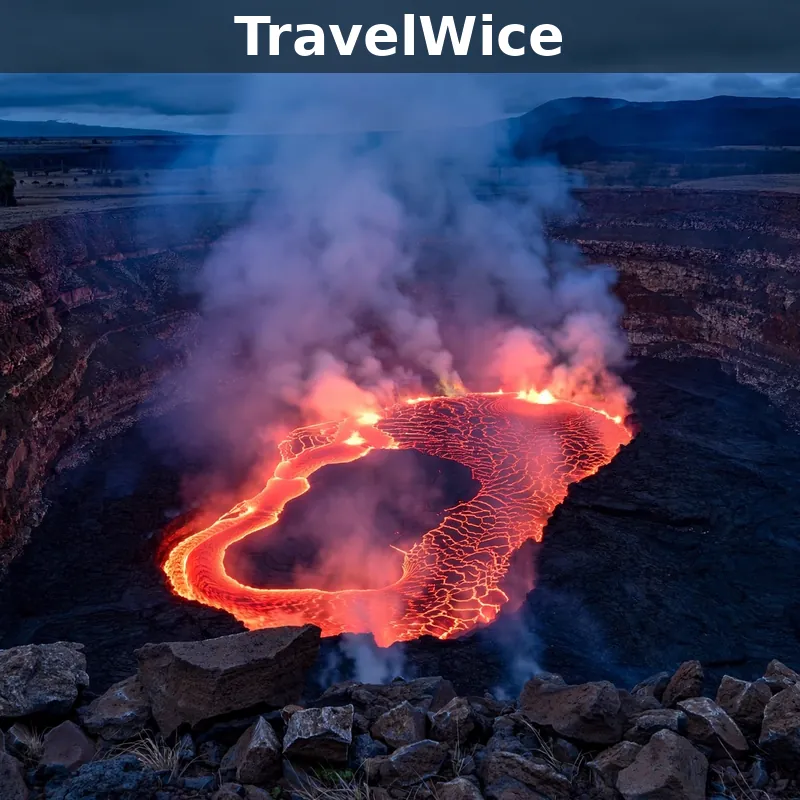
I landed in Kona at noon, and the Big Island hit me with heat, black lava, and a horizon that felt bigger than the other islands. I drove south that first afternoon, and the road ran past lava fields that looked like frozen waves. By dusk I stood at a volcano overlook, and steam rose from cracks in the ground. That was the moment I understood the name. This Big Island Hawaii guide is the slow trip I took, with the volcano day I planned twice, the black-sand beach where I met a turtle, and the coffee farm that changed how I drink coffee.
TL;DR: Give the Big Island 4–5 days, and split them between Kona and Hilo, because the drive between them takes two hours. Spend a full day at Hawaii Volcanoes National Park, and check the eruption status on the day, because lava shows only during an episode. Drive the south coast to Punaluu black-sand beach, tour a Kona coffee farm, and save a night for stargazing. Budget a car at $50–$90 a day, food at $40–$60 a day on a budget, and $80–$130 a day if you eat well.
Why the Big Island Feels So Big
The Big Island is bigger than all the other Hawaiian islands put together, and you feel that size on the road. I drove for two hours and I still had half the island left. The land changes fast too. Kona gives you sun and lava rock. Hilo gives you rain and waterfalls. The summit gives you cold air and stars. I loved that range, but I learned to plan by side, not by wish list.
My first day taught me the main lesson. I tried to see Kona, a coffee farm, and a beach in one morning, and I ran out of time by lunch. So I slowed down. I picked one side a day, and I let the island set the pace. That plan worked, and it gave me time to sit, swim, and taste coffee without rushing. If you want a packed schedule, pick a smaller island. If you want room, pick the Big Island.
Winter suits the island well. Honolulu winter highs sit near 82°F in December and 80°F in January, with lows near 69°F and 67°F. Kona runs close to that on the coast, while Hilo runs a touch cooler and wetter. Rain falls in short bursts on the Kona side, and it falls more often in Hilo. So pack a light rain layer and keep it in the car. I used mine twice in Hilo, and I never needed it in Kona.
Getting to the Big Island and Getting Around
You fly into Kona Airport on the west side, or into Hilo Airport on the east side. I flew into Kona, and I flew out of Hilo, and that open-jaw plan saved me a long drive back. Kona Airport sits about 15 minutes from downtown Kona, and Hilo Airport sits about 10 minutes from downtown Hilo. The drive between Kona and Hilo takes about two hours on the Saddle Road, and it takes longer on the south coast road.
You need a car on the Big Island. I say that plainly because the island is too big for buses, and the best stops sit far apart. A car gives you the volcano park, Punaluu, and the freedom to pull over for a coffee farm. Car rental for an economy car runs $50–$90 a day in 2026, and a compact SUV runs $65–$110 a day. I booked early and I paid near the low end, so book early and check the total with taxes before you click.
If you hop between islands, fly. No passenger ferry links Oahu, Maui, Kauai, and the Big Island for visitors, so flights do the job. Hawaiian Airlines runs about 170 inter-island flights a day, and Southwest and Mokulele fly the same routes too. A flight takes 20–50 minutes in the air, and I allow 3–4 hours door to door. Fares run $70–$150 one way when you book early, and they climb past $150 at the last minute. Checked bags run about $30 for the first bag and $40 for the second on Hawaiian and Southwest, so I packed light and I carried on.
Where to Stay: Kona, Hilo, and Waikoloa
I split my stay, and I would do it again. I spent three nights in Kona and two nights in Hilo, and that split saved me hours of driving. Kona gives you sun, beaches, and coffee farms on the west side. Hilo gives you rain, waterfalls, and the volcano park on the east side. Both work, but they work for different days.
Kona town sits on the water, and I walked the waterfront each morning. Shops, restaurants, and a small beach line Alii Drive, and the sun sets over the water. I stayed in a condo near the town, and I cooked breakfast twice. Waikoloa sits north of Kona, and it gives you resorts, golf, and a beach with white sand. I spent a day there, and I liked the beach, but I missed the town feel of Kona.
Hilo feels greener and quieter. I stayed in a small hotel near the bay, and I walked to a farmers market in the morning. The town has bookshops, cafes, and a rainforest feel. It rains more here, so I kept a rain jacket by the door. Volcano Village sits near the park entrance, and it gives you lodges, cabins, and a cool mountain feel. I stayed one night there before my volcano day, and it saved me an early drive.
Hawaii Volcanoes National Park: The Full Day
Hawaii Volcanoes National Park gave me the best day of my trip, and it also taught me to check the news before I go. Kilauea has erupted in episodes from Halema’uma’u since December 23, 2024. Episode 56 ran on November 5, 2026, and Episode 57 ran on November 23, 2026. As of November 26, 2026, the USGS said the eruption had paused, and it forecast the next episode for December 3–16, 2026. Lava shows only during an episode, from overlooks, and it never comes with a guarantee. So check the USGS update on the day, and enjoy the park even if the lava stays quiet.
Entry costs $30 a private vehicle, and that pass stays valid for seven days. A motorcycle costs $25, and entry on foot or by bike costs $15 for ages 16 and up. The park takes cards only, so leave the cash in your wallet. A Hawaii Tri-Park Annual Pass costs $55, and it covers the park for a year. It stays open 24 hours, and you need no reservation. So go early, and stay late if the lava glows.
What to See Inside the Park
I started at the temporary Welcome Center, and it stays open 9 AM to 4:45 PM. The old visitor center shut for renovation in February 2025, so use the temporary one for maps and ranger tips. I asked a ranger about the eruption, and she pointed me to the best overlook for the day. That tip saved me an hour of guessing.
Kilauea Overlook and Uekahuna give you the crater view, and Steam Vents and Sulphur Banks sit nearby. I walked the Steam Vents path, and warm air rose from cracks in the ground. The smell of sulphur hit me at the banks, and I kept my walk short. Kilauea Iki Trail runs a 3.3–4 mile loop, and it takes 2–3 hours. I hiked it in the morning, and I walked across a crater floor that felt like another planet. Nahuku, or Thurston Lava Tube, runs a 0.4 mile loop, and it takes about 30 minutes. I walked through the tube with a flashlight, and ferns hung over the entrance.
Chain of Craters Road runs 19 miles down to the sea, and it ends at the Holei Sea Arch. I drove it in the afternoon, and I stopped at the Pu’uloa Petroglyphs on the way. The petroglyphs sit on a lava field, and they show shapes carved long ago. Devastation Trail runs short and flat, and it shows how lava buried a forest. I walked it at dusk, and the light turned the lava gold.
Punaluu Black Sand Beach and the South Coast
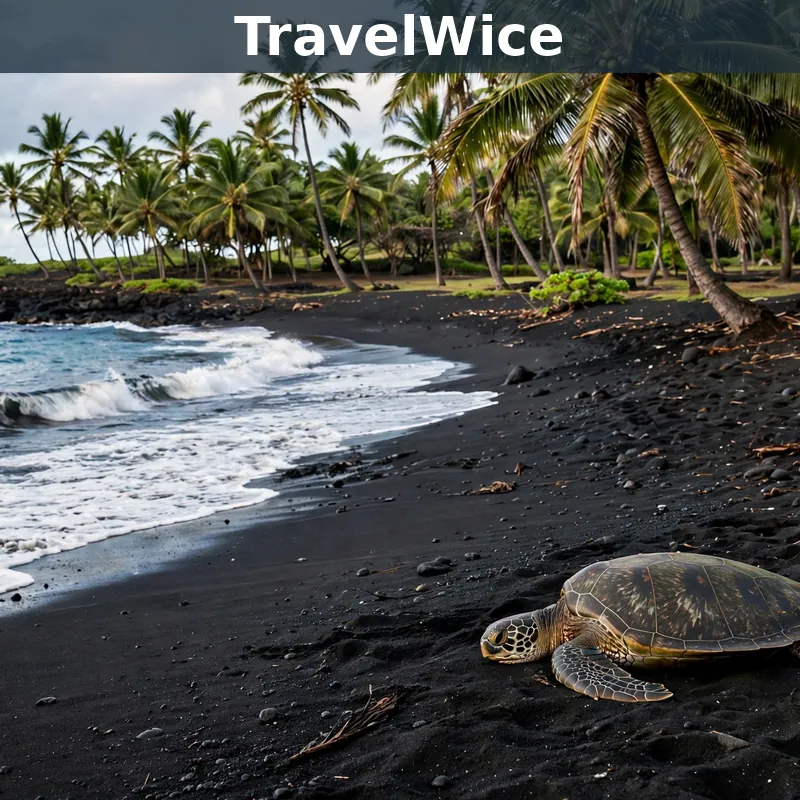
Punaluu black sand beach gave me my favourite beach photo of the trip. Black sand, palm trees, and waves filled the frame, and a green sea turtle rested on the sand. I kept my distance, and I watched it from behind the rope. Turtles haul out here most days, and volunteers mark a circle around them. The beach has a lifeguard on some days, so check the signs before you swim.
The south coast drive to Punaluu takes about an hour from the volcano park, and it runs past lava fields and small towns. I stopped at a bakery in Naalehu, and I bought a sweet roll for the road. The drive feels remote, and the land looks raw. So fill the tank before you leave, and carry water. I drove the coast in the morning, and I reached Punaluu by noon.
Swimming at Punaluu needs care, because the surf runs strong on some days. I waded, and I watched the waves. If the surf runs high, stay on the sand and enjoy the view. The beach gives you turtles, black sand, and a picnic area, and that is enough for a half day. I ate lunch at a picnic table, and I drove back to Volcano Village by late afternoon.
Kona Coffee Farms: A Morning That Changed My Coffee
Kona coffee grows on the slopes above Kona town, and I toured a farm on my second morning. Rows of coffee plants climb the hillside, and red cherries hang from the branches. I walked the rows with a guide, and she showed me how pickers choose only the ripe cherries. I tasted a fresh roast, and it tasted smooth and sweet, with no bitterness.
The farm tour took about an hour, and it cost nothing at the farm I visited. Check before you go, because some farms charge for tours and tastings. I bought a bag of beans, and I paid more than I pay at home, but I still drink it on slow mornings. If you love coffee, book a farm tour early in the trip, because you will want time to buy beans and brew them at your rental.
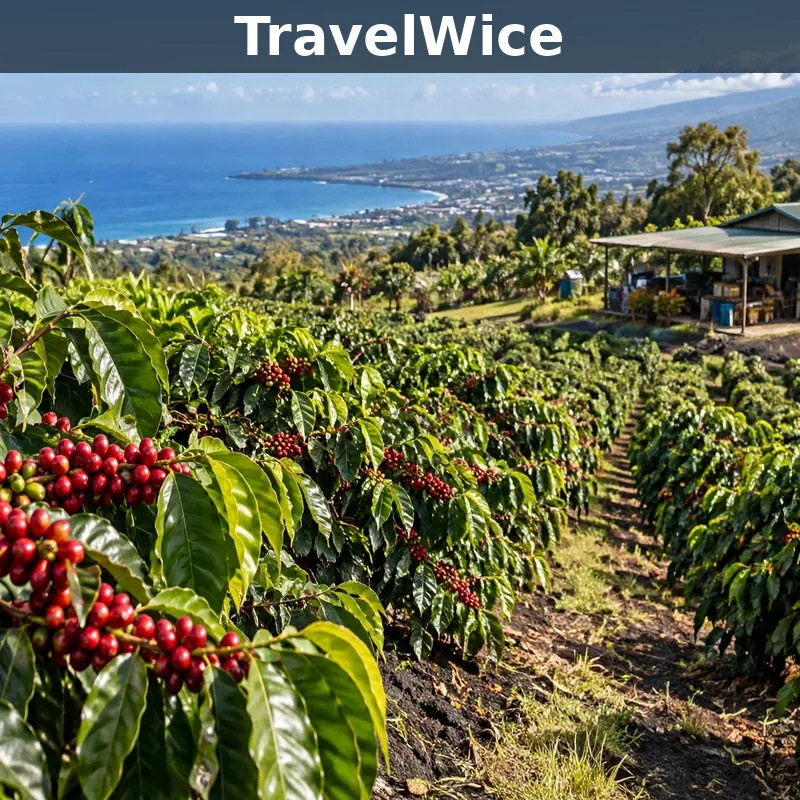
Coffee farms also give you a view. I stood on a hillside and looked down at the sea, and the plants ran in neat rows below me. The morning felt calm, and the air smelled like roast coffee. So go in the morning, when the light is soft and the farms are quiet. I went at 9 AM, and I had the tour almost to myself.
Mauna Kea Stargazing: A Night Above the Clouds
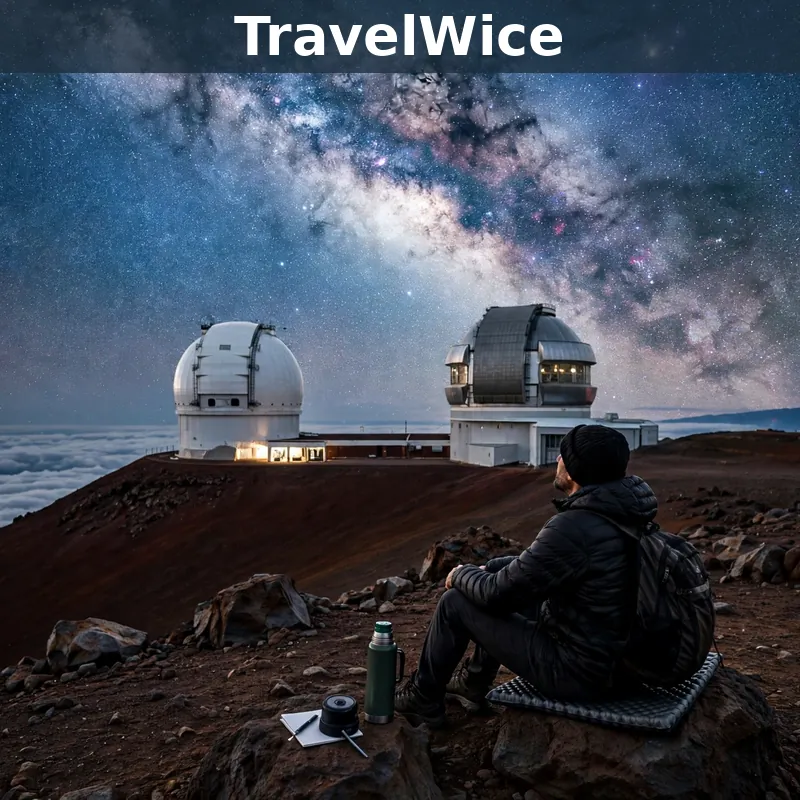
Mauna Kea gave me the best night sky I have ever seen. I drove up in the late afternoon, and I watched the sunset from the slopes. The sky turned pink, then purple, then black, and stars filled it. The Milky Way ran across the sky, and I stood there for an hour without speaking. Check before you go, because access, weather, and tours change, and the summit needs care at altitude.
I joined a stargazing tour, and the guide gave me a telescope and a hot drink. I saw Saturn, and I saw a cluster of stars I could not name. The air felt cold, so I wore a jacket, a hat, and gloves. I felt cold, and I felt glad I had packed them. If you drive yourself, go slowly, and watch for altitude sickness. I drank water all day, and I felt fine.
Stargazing works best on a clear, moonless night, so check the forecast and the moon phase before you book. I booked on a new moon week, and the sky rewarded me. If clouds roll in, the tour may cancel, so keep a back-up night free. I kept two nights free, and I used the first one.
Hilo Side: Akaka Falls and the Rainforest
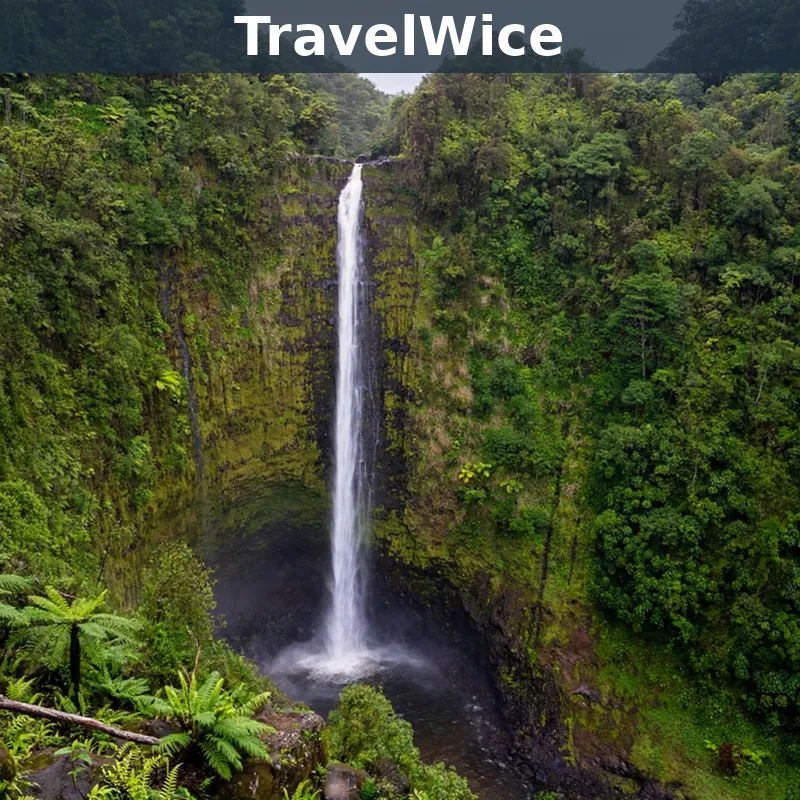
Hilo gave me waterfalls, and Akaka Falls gave me the best one. The falls drop into a green gorge, and ferns crowd the trail. I walked the loop path in the morning, and the air smelled like rain. The trail takes about 30 minutes at a slow pace, and it gives you two falls and a rainforest. I stopped at every viewpoint, and I took too many photos.
Hilo town also deserves a morning. I walked the farmers market, and I bought papaya, mango, and banana bread. The market runs on Wednesdays and Saturdays, and it fills with locals. I ate breakfast at a cafe near the bay, and I watched the rain fall on the water. The town feels easy, and it moves at a slow pace. So spend a half day in Hilo, and save your legs for the falls.
What to Eat on the Big Island: Plate Lunch, Poke, and Kona Coffee
The Big Island fed me well, and it fed me cheaply when I ate like a local. A plate lunch runs $10–$18, and it gives you rice, mac salad, and a main like chicken katsu or kalua pork. I ate plate lunch five times, and I never paid more than $18. A poke bowl runs $10–$22, and the fish tastes freshest at the small shops in Kona and Hilo. I tried ahi poke with soy sauce and onions, and I still think about it.
Shave ice costs a few dollars, and it cools you down fast. I tried mango, lilikoi, and coconut, and I liked mango best. Food trucks line the roads in Kona and near the beaches, and they serve tacos, Thai food, and burgers for $10–$20. I ate at a truck near Kona, and I sat at a picnic table with sand on my feet. That meal cost less than a resort lunch, and it tasted better.
For one splurge, book a luau. Luaus in Hawaii run about $109–$296 an adult, and most general seats run $150–$200. I skipped the luau on the Big Island, and I spent the money on a snorkel tour instead. Snorkel tours in Hawaii run $109–$265 a person, with a typical price near $139. I took a morning boat in Kona, and I saw fish, coral, and a turtle. Book a morning trip, because the wind picks up in the afternoon.
Big Island at a Glance
| Area | Best for | Typical cost | My tip |
|---|---|---|---|
| Volcanoes National Park | Lava, craters, hikes | Entry $30/vehicle, 7 days | Check USGS on the day |
| Punaluu Beach | Black sand, turtles | Free beach | Watch turtles at noon |
| Kona coffee farms | Tours, tastings, views | Tours vary, check ahead | Go in the morning |
| Mauna Kea | Stargazing, Milky Way | Tours vary, check ahead | Book a moonless night |
| Akaka Falls | Waterfalls, rainforest | Check before you go | Walk the loop slowly |
| Kona town | Food, sunset, waterfront | Plate lunch $10–$18 | Walk Alii Drive at dusk |
| Hilo town | Markets, rainforest, bay | Food $10–$20 | Visit the farmers market |
Chart: Where a Mid-Range Big Island Day’s Money Goes
This chart breaks down a mid-range Big Island day of about $295 a person, so you can see which cost runs the trip.
Hotel, about $145 a night: █████████████████████████████ 49%
Food, about $65 a day: █████████████ 22%
Car rental, about $60 a day: ████████████ 20%
Tours and park entry, about $20 a day: ████ 7%
Parking and tips, about $5 a day: █ 2%
The hotel is the story, at close to half the daily spend. Food is second, and a plate lunch at $10–$18 keeps that number down. The car is third, and it pays for itself with the freedom to drive the volcano park and the south coast. Tours cost less when you spread one boat trip across five days. So book the hotel by total price, eat local at lunch, and drive yourself.
A Four-Day Big Island Plan That Works
Day one is Kona. Swim in the morning, tour a coffee farm, and walk Alii Drive at sunset. Eat a plate lunch, and sleep early.
Day two is the volcano park. Drive to Volcano Village in the morning, hike Kilauea Iki Trail, and walk the lava tube. Drive Chain of Craters Road in the afternoon, and watch the sunset from an overlook.
Day three is the south coast. Drive to Punaluu in the morning, watch turtles at noon, and eat lunch at a picnic table. Drive back through Naalehu, and stop for a sweet roll.
Day four is Hilo. Walk Akaka Falls in the morning, visit the farmers market, and eat a poke bowl for lunch. Drive back to Kona in the afternoon, or fly home from Hilo. For the full island picture, start with our Hawaii travel guide for 2026. For a slower island contrast, read our Maui travel guide for 2026 and our Kauai travel guide for 2026.
What to Pack, and What to Leave Behind
Pack a jacket for the volcano summit and Mauna Kea, a rain layer for Hilo, reef-safe sunscreen, hiking shoes for Kilauea Iki, and a reusable bottle. I packed all five, and I used all five. Leave the heavy suitcase behind, because you will haul it in and out of the car. Pack binoculars for whales, and pack a phone charger for the long volcano day. I charged my phone in the car, and I still ran low by dinner. So bring a power bank too.
Staying Safe at the Volcano and on the Roads
The volcano asks for care, and the roads ask for respect. Stay on marked trails, and keep back from steam vents and cliff edges. Check the USGS update each morning, because eruption episodes change fast. Drive slowly on the Saddle Road, and watch for fog at altitude. At the beach, watch the waves before you swim, and stay out if the surf runs high. Check the National Weather Service Honolulu forecast each morning, because a shower can turn a trail slick in minutes. For a sense of how another island trip compares on cost, read our Hawaii trip cost guide for 2026 and our Texas trip cost guide for 2026.
References
- Hawaii Tourism Authority official tourism site — Big Island beaches, towns, and trip planning.
- Hawaii Volcanoes National Park — entry fees, trails, and eruption updates.
- National Park Service — national park passes and visitor information.
- Hawaii State Parks — state park fees and notices.
- National Weather Service Honolulu — Big Island weather and surf forecasts.
Big Island Hawaii Guide Quiz
Test what you picked up from this guide before you book.
1. How much does Hawaii Volcanoes National Park entry cost for a private vehicle, and how long does it last?
- A) $30, valid 7 days
- B) $15, valid 1 day
- C) $55, valid 1 day
2. When did Kilauea’s episodic eruption start, and what did the USGS say on November 26, 2026?
- A) January 1, 2026; erupting non-stop
- B) December 23, 2024; paused, next episode forecast December 3–16, 2026
- C) November 23, 2026; eruption over for good
3. How long is the Kilauea Iki Trail loop, and how long does it take?
- A) 0.4 miles, about 30 minutes
- B) 3.3–4 miles, 2–3 hours
- C) 19 miles, a full day
4. How long is Chain of Craters Road, and where does it end?
- A) 30 miles, at Hilo town
- B) 4 miles, at the visitor center
- C) 19 miles, at the Holei Sea Arch
5. What does a plate lunch cost on the Big Island, and what does it include?
- A) $10–$18, rice, mac salad, and a main
- B) $30–$50, rice only
- C) $5, a drink only
Quiz Answers
- A) $30, valid 7 days — Entry costs $30 a private vehicle, and the pass stays valid for seven days.
- B) December 23, 2024; paused, next episode forecast December 3–16, 2026 — Kilauea has erupted in episodes since December 23, 2024, and on November 26, 2026 the USGS said it had paused, with the next episode forecast for December 3–16, 2026.
- B) 3.3–4 miles, 2–3 hours — The Kilauea Iki Trail runs a 3.3–4 mile loop, and it takes 2–3 hours.
- C) 19 miles, at the Holei Sea Arch — Chain of Craters Road runs 19 miles down to the sea, and it ends at the Holei Sea Arch.
- A) $10–$18, rice, mac salad, and a main — A plate lunch runs $10–$18 and gives you rice, mac salad, and a main like chicken katsu.