

Road to Hana Guide 2026: Waterfalls, Black Sand & the Drive Back
I left Paia at 6:15 in the morning with a full tank, a cooler of water, and a playlist I never turned on, because the Road to Hana does not need music. The jungle does the talking. Rain hit the windshield in bursts, then the sun broke through, then it rained again. By 8 AM I had crossed bridges I lost count of, pulled over for a waterfall I had not planned to see, and eaten warm banana bread from a wooden stand with my hands. This Road to Hana guide is the drive I actually took, with the reservation I almost forgot, the stops I loved, and the drive back I wish someone had warned me about.
TL;DR: Leave Paia by 7 AM at the latest, and give the full day 10 to 12 hours. Book Wai’anapanapa State Park ahead — non-residents need a reservation, and you pay $5 a person plus $10 per vehicle for your time slot. Pick one slot, and plan the rest of the day around it. Drive slow, pull over only in marked spots, and never stop on a bridge. The road back takes as long as the road out, so start home by mid-afternoon, and check the park and weather pages before you go.
First, the Reservation You Cannot Skip
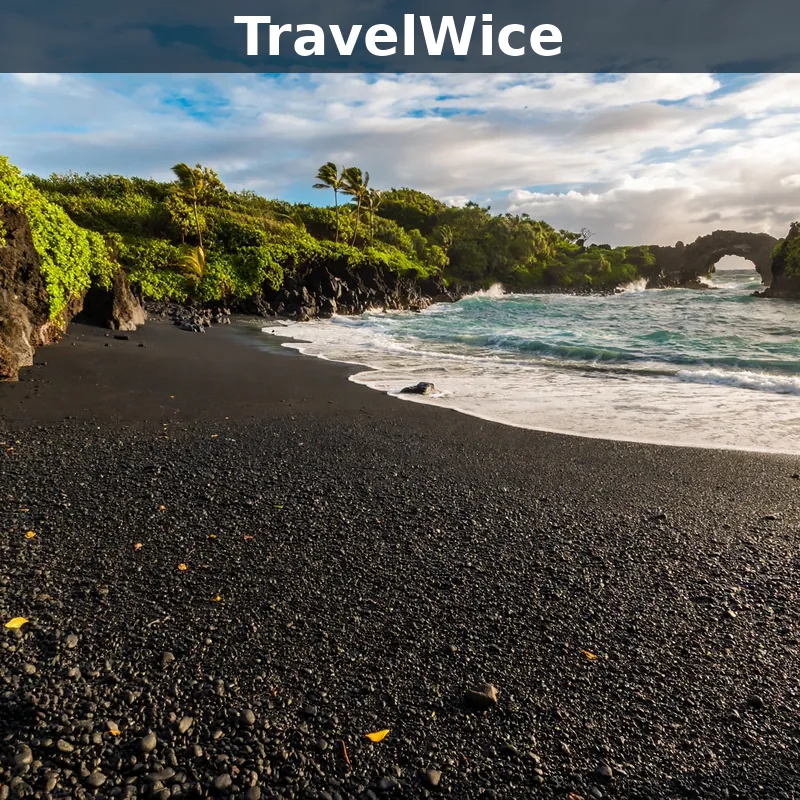
Wai’anapanapa State Park holds the black-sand beach, and it sits at Mile Marker 32, about 3 miles before Hana town. Non-residents need a reservation to enter. There are no same-day tickets and no walk-ins, so you cannot fix this at the gate. Book up to 30 days ahead, and slots open at midnight Hawaii time. I set an alarm, and I still had to try twice before my slot went through.
The fee is $5 a person plus $10 per vehicle for parking, per time slot. Kids aged 3 and under enter free. You pick one of four slots: 7 to 10 AM, 10 AM to 12:30 PM, 12:30 to 3 PM, or 3 to 6 PM. The park opens at 7 AM and closes at 6 PM. I picked the 10 AM to 12:30 PM slot, and it fit my pace well. An early slot suits fast drivers who leave at dawn. A midday slot suits slow drivers who stop a lot. Pick the slot that matches your style, not the one that sounds best on paper.
One more flag: construction work hit the park in 2026. The eastern parking area and the tour-bus area shut for work, and short temporary closures can happen. Campervan camping stays off the table through March 2027. So check the Hawaii State Parks page the night before you drive, and have a backup stop in mind. The beach is worth the planning, but it is not worth a ruined day if a closure catches you out.
What the Drive Really Is
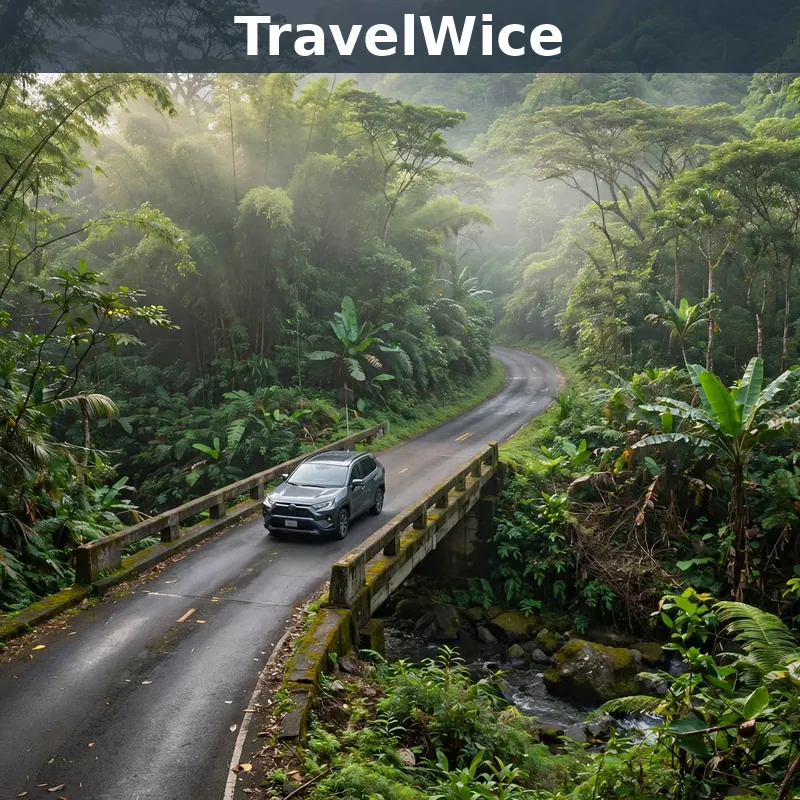
The Hana Highway runs about 64 miles from Paia to Hana, and it takes 2.5 to 3 hours without stops. With stops, it takes all day. The road twists through jungle, crosses more than 50 narrow one-lane bridges, and hugs cliffs with ocean views that make you want to stop every five minutes. Do not stop every five minutes. You will never reach Hana.
Most bridges carry one lane, and local drivers know them by heart. The rule is simple: yield to the car already on the bridge, and never stop on a bridge for a photo. I waited at three bridges while a local truck crossed first, and each time the driver waved thanks. That wave matters. People live along this road, and they drive it to work, to school, and to the store. Tourists who block the road make their day harder, and the locals remember it.
The road also has almost no shoulder in many spots. Pull over only where you see a marked pullout or a parking area. If a waterfall looks tempting but there is no safe place to park, keep driving. Another waterfall waits around the next bend, and it will have a pullout. I passed two gorgeous falls with no parking, and I felt annoyed for about a minute. Then I found a third with a proper lot, and I forgot the first two.
Leaving Early Changes Everything
I left Paia at 6:15 AM, and I would leave at 6 AM next time. The early start gave me empty bridges, easy parking, and waterfalls with no crowd. By 10 AM, the road filled with cars, and every pullout held a line of brake lights. By noon, the popular stops felt busy, and the drive slowed to a crawl in spots.
An early start also gives you light. Morning sun hits the jungle from the side, and the waterfalls glow green and gold. Afternoon light flattens the same scene, and the rain tends to build later in the day. Maui’s east side gets rain often, and a morning shower can turn a trail muddy by noon. So start early, and let the day unfold in front of you instead of chasing it from behind.
Eat breakfast before you leave Paia. Paia has cafes and a grocery store, and you should stock up there. Once you pass Paia, food gets thin. Roadside stands sell banana bread, fruit, and drinks, but they open and close on their own schedule, and a stand can sell out by 10 AM. I bought two loaves of banana bread at the first stand I saw, and I ate one before 8 AM. Buy when you see it. Do not assume the next stand will have the same thing.
The Waterfalls, and How to Pick Them
You cannot stop at every waterfall on this road. You would need two days. So pick three or four, and enjoy them properly. I picked one early fall with a short walk, one pool where people swam, and one tall fall near the end. That mix gave me variety without turning the day into a checklist.
Swimming looks tempting, and it can be lovely on a calm day, but the pools change fast after rain. A pool that looks calm at 9 AM can run fast and brown by noon if rain falls upstream. Flash floods are real on this coast, and they kill people. If the water looks brown, fast, or high, stay out. If a sign says no swimming, obey it. And never jump from rocks or cliffs, because the water hides rocks below, and the depth changes with every storm.

I swam at one pool in the morning, when the water ran clear and slow, and I sat on the rocks for twenty minutes after, drying off in the sun. That was the best part of my day. I skipped a second pool later because the water had turned cloudy, and I felt no regret. The road gives you more chances than you need, and the smart move is to take the safe one.
Wai’anapanapa: The Black-Sand Beach
The black-sand beach at Wai’anapanapa looks like nowhere else in Hawaii. Black sand, turquoise water, lava rock, and green cliffs frame a small cove, and the contrast stops you at the top of the steps. I walked down slowly, because the sand feels different underfoot, coarse and warm, and the waves hit the lava rock with a sound like a drum.
Swimming here needs care. The park advises against swimming except in calm conditions, and there are no lifeguards. I waded in to my knees and stopped there, because the surf pushed hard against the rocks and the current pulled at my legs. A few people swam near the shore, but most visitors walked, took photos, and sat on the sand. That felt right. The beach is a place to look and to walk, not a place to prove how strong a swimmer you are.
Beyond the beach, a short coastal trail runs along the cliffs, and it gives you views back toward the cove. Walk it for ten minutes, and you will find a quieter spot with fewer people. The park also holds sea arches and blowholes along the coast, and the trail signs explain them. Give the park at least an hour inside your slot, and do not rush the exit. The gate times matter, and staff do check, but an hour feels relaxed if you arrive on time.
Hana Town: Small, Slow, and Worth a Stop
Hana town is small. It has a few shops, a couple of food spots, a gas station, and a pace that feels a world away from Paia. I stopped for lunch, and I ate slowly, because the town asks for that. The food options are simple, and that is the point. A plate lunch here costs about $10 to $18, the same range as elsewhere in Hawaii, and it tastes better after four hours of driving.
Do not expect a big town with lots to do. Hana is a place to pause, not a place to tick off sights. Walk to the bay, look at the water, and buy something from a local shop if you can. The town’s shops rely on visitors who stop, and a small purchase means more here than it does in Waikiki. I bought a jar of local jam and a cold drink, and I still have the jam jar at home.
If you want more, keep driving past Hana to the Kipahulu District of Haleakala National Park. The road past Hana narrows further, and it takes about 30 to 40 minutes, but the Pipiwai Trail waits at the end, and it is one of the best hikes in Hawaii. Check the road conditions before you commit, because the back road can close, and the drive back from Kipahulu adds an hour to your day.
The Pipiwai Trail and Waimoku Falls
The Pipiwai Trail runs 4 miles round trip, and it ends at Waimoku Falls, a 400-foot waterfall that drops down a green cliff. The trail passes through a bamboo forest that feels like a movie set, with tall green stalks clicking in the wind and soft light filtering down. I walked it in the afternoon, and the bamboo section alone was worth the drive.
The Kipahulu District opens from 9 AM to 5 PM. Give the trail 2 to 3 hours, and wear shoes with grip, because the path gets muddy and the stream crossings need care. Bring water, because there is no shop on the trail, and the humidity hits hard in the bamboo. I carried a litre, and I drank it all before the falls.
The ‘Ohe’o Gulch pools sit near the trailhead, and swimming there depends on the rangers. They allow it only when conditions are safe, and they close it after rain. Ask a ranger at the visitor area before you plan a swim, and obey the answer. The pools look calm and inviting, but the stream above them can rise fast, and the rangers know the risk better than any visitor. If they say no, walk the trail instead, and enjoy the falls from the viewing area.
The Drive Back: The Part Nobody Warns You About
Here is the truth I wish someone had told me: the drive back takes just as long as the drive out, and it feels longer. You are tired, the light is fading, and the same bridges now carry cars coming the other way. Start home by 3 PM at the latest, and earlier if you went to Kipahulu. I left Hana at 3:30 PM, and I reached Paia after dark, with my eyes tired from the twists.
Do not try the full loop around the back side of Maui unless you have checked the road and your rental agreement first. The back road past Kipahulu is narrow, rough in places, and many rental contracts forbid it. The safer choice is to drive back the way you came, on the Hana Highway, even though it feels like a repeat. It is a repeat with different light, and the waterfalls look different in the afternoon anyway.
If you feel sleepy, pull over at a safe spot and rest. There is no shame in a ten-minute break, and there is real danger in pushing through tired. Drink water, eat the second loaf of banana bread, and let your eyes rest. The road will still be there in ten minutes, and you will drive it better.
What to Pack for the Day
Pack for rain, mud, and sun, all in one day. I packed a small day bag with water, snacks, sunscreen, a rain jacket, a towel, and a change of socks. The socks saved me after the Pipiwai Trail, when my shoes were wet and my feet were cold. A dry pair of socks feels like a luxury at 4 PM on a muddy trail.
Bring cash in small bills for the roadside stands, because some stands take cards and some do not, and the signal drops in the jungle. Bring a phone charger or a power bank, because navigation and photos drain the battery, and there is no charger on the road. And bring a paper map or a downloaded offline map, because cell signal fades between Paia and Hana, and a dead phone with no signal is a bad way to navigate a one-lane bridge.
Wear shoes you can get muddy. Leave the white sneakers at the hotel. The trails are muddy after rain, the beach sand sticks to everything, and the roadside stops have wet grass. I wore trail shoes, and I was glad I did. Flip-flops work for the beach, but they fail on a muddy trail, so pack both if you have room.
Road to Hana With Kids
Kids love this drive if you keep it short and fun. The waterfalls, the banana bread, and the black-sand beach give them plenty to look at, and the car ride itself feels like an adventure. But a full 12-hour day with a toddler will break everyone, so plan for a shorter version. Drive to Wai’anapanapa, stop at two waterfalls, eat in Hana, and turn back. That is a full day for a young family, and it skips the Pipiwai Trail, which is too long and muddy for small legs.

Bring snacks, water, and something to do in the car, because the twists can make kids carsick. Sit them in the middle seat if you can, crack a window, and stop often for fresh air. My rule: stop every hour, even if it is just for five minutes at a pullout. Kids need to move, and the road gives you a reason to stop anyway.
The black-sand beach is the highlight for kids, but watch them near the water, because the surf is strong and there are no lifeguards. Let them play in the sand, build a black-sand castle, and wade only where the water is calm. And book the midday slot for Wai’anapanapa, because an early slot means a 5 AM wake-up, and no child enjoys that. For more family days, read our Hawaii family vacation guide for 2026.
Costs for the Day
The drive itself costs little beyond the car and the fuel. A rental car runs about $50 to $90 a day for an economy car, or $65 to $110 a day for a compact SUV, and the Hana road suits a small SUV for the ground clearance and the comfort. Fuel for the round trip from Paia is modest, because the distance is short, but the slow driving uses more fuel than you expect.
Wai’anapanapa costs $5 a person plus $10 per vehicle. A plate lunch costs $10 to $18, and a poke bowl costs $10 to $22. Banana bread and fruit from roadside stands cost a few dollars each, and they are the best value on the road. If you add the Pipiwai Trail, Haleakala National Park charges $30 per private vehicle, valid for 3 days across both districts. That fee covers the summit too, so a sunrise trip the next day can use the same pass. Our Hawaii trip cost guide for 2026 breaks down the full Maui budget, and our Maui travel guide for 2026 covers the rest of the island.
The real cost is time, not money. A full Hana day eats 10 to 12 hours, and that is a whole day of your Maui trip. If you have only three days on Maui, think hard about whether Hana deserves one of them. I think it does, but only if you love driving, waterfalls, and slow days. If you prefer beaches, skip Hana and spend the day at Kaanapali instead. There is no wrong answer, only a mismatch between the day and the traveller.
Mistakes I Made on the Road
My first mistake was stopping on a bridge for a photo. I saw a waterfall, I stopped, and a local driver had to wait behind me. He did not honk, but his face said enough. I moved on fast, and I never stopped on a bridge again. Pullouts exist for a reason. Use them.
My second mistake was skipping breakfast in Paia. I thought I would eat on the road, but the first stands were closed, and I drove hungry for two hours. Eat before you leave, and carry snacks. Hunger makes a long drive feel twice as long, and it makes you rush the stops.

My third mistake was trying to see everything. I had a list of twelve stops, and I tried to hit them all. By stop six, I was tired, and the waterfalls started to blur together. Pick four stops, enjoy them, and let the rest go. The road will still be there next trip, and the waterfalls will still be falling. For the wider island plan, read our Hawaii travel guide for 2026.
Road to Hana at a Glance
| Stop | Where | Cost | My tip |
|---|---|---|---|
| Paia start | Mile 0 | Free | Eat breakfast and fill the tank |
| Waterfall pullouts | Along the highway | Free | Stop only in marked pullouts |
| Wai’anapanapa black sand | Mile Marker 32 | $5/person + $10/vehicle | Book a slot 30 days ahead |
| Hana town | End of the highway | Plate lunch $10–$18 | Eat slow, buy local |
| Pipiwai Trail | Kipahulu District | $30/vehicle park entry | Allow 2–3 hours, wear grip shoes |
| Waimoku Falls | End of Pipiwai Trail | Included in park entry | Go in the morning for clear water |
| Drive back | Hana to Paia | Fuel only | Leave by 3 PM at the latest |
Chart: Where a Road to Hana Day Goes
This chart breaks down a 12-hour Hana day, so you can see how the time splits.
Driving out, 3 hours: ████████████████████████ 25%
Stops and waterfalls, 3 hours: ████████████████████████ 25%
Wai’anapanapa beach, 1.5 hours: ████████████ 12%
Hana town lunch, 1 hour: ████████ 8%
Pipiwai Trail, 2.5 hours: ████████████████████ 21%
Driving back, 1 hour counted here, plus stops: ████████ 9%
The driving and the stops take half the day between them, and that surprises people who think Hana is a beach trip. It is a road trip first, and the beach is one stop inside it. The Pipiwai Trail is the second biggest block, so skip it if you want a shorter day, and the whole trip drops to about 8 hours. So plan the time, not just the stops, and the day will feel full without feeling frantic.
References
- Hawaii State Parks — Wai’anapanapa reservations, fees, time slots, and construction notices.
- Hawaii Tourism Authority — official Maui visitor information and Road to Hana planning help.
- Haleakala National Park — Kipahulu District hours, Pipiwai Trail, and park entry fees.
- National Park Service — park passes, alerts, and visitor guidance across Hawaii.
- National Weather Service Honolulu — Maui weather forecasts before your drive.
Road to Hana Guide Quiz
Test what you picked up from this guide before you drive.
1. What does Wai’anapanapa cost for a non-resident, and can you walk in without a booking?
- A) $5 a person plus $10 per vehicle, and no walk-ins are allowed
- B) Free entry, walk-ins welcome any time
- C) $25 a person, walk-ins welcome before 10 AM
2. How far ahead can you book Wai’anapanapa, and when do slots open?
- A) 8 weeks ahead, released at 3 PM Hawaii time
- B) 7 days ahead, released at 7 AM Hawaii time
- C) 30 days ahead, released at midnight Hawaii time
3. Where is Wai’anapanapa, and how long is the park open?
- A) Mile Marker 10, open 9 AM to 5 PM
- B) Mile Marker 32, open 7 AM to 6 PM
- C) Mile Marker 50, open 6 AM to 8 PM
Final Two Questions
4. How long is the Pipiwai Trail round trip, and how tall is Waimoku Falls?
- A) 2 miles round trip, 100-foot falls
- B) 4 miles round trip, 400-foot falls
- C) 6 miles round trip, 200-foot falls
5. When should you start the drive back from Hana?
- A) By 3 PM at the latest
- B) After sunset, when the road is empty
- C) At 6 PM, after dinner in Hana
Quiz Answers
-
A) $5 a person plus $10 per vehicle, and no walk-ins are allowed — Non-residents need a reservation, there are no same-day tickets or walk-ins, and the fee is $5 a person plus $10 per vehicle.
-
C) 30 days ahead, released at midnight Hawaii time — Book up to 30 days ahead, with slots released at midnight Hawaii time.
-
B) Mile Marker 32, open 7 AM to 6 PM — Wai’anapanapa sits at Mile Marker 32, about 3 miles before Hana town, and the park opens at 7 AM and closes at 6 PM.
-
B) 4 miles round trip, 400-foot falls — The Pipiwai Trail runs 4 miles round trip and ends at Waimoku Falls, a 400-foot waterfall.
-
A) By 3 PM at the latest — Start home by 3 PM at the latest, because the drive back takes as long as the drive out.