

Honolulu Travel Guide 2026: Waikiki, Diamond Head & Pearl Harbor
I landed in Honolulu on a warm morning. Warm air hit my face at the gate. My hair curled in seconds. A driver smiled and waved me toward the bus stop. I felt tired from the flight. I also felt wide awake. So, Honolulu does that to you. It mixes city streets with beach light. It mixes history with surf shops. This Honolulu travel guide is my honest plan. It covers Waikiki, Diamond Head, Pearl Harbor, and the North Shore. It also covers what I paid and what I wish I had known.
TL;DR: Stay in Waikiki for a first trip. Walk to the beach in minutes. Book Diamond Head and Pearl Harbor weeks ahead. Ride TheBus for $3.00 with a HOLO card. Plan 3–4 days: one for Waikiki and Diamond Head, one for Pearl Harbor and downtown, one for the North Shore, and one spare day for Hanauma Bay or a slow beach morning. Budget $285–$290 a night for a hotel before tax. Add $35–$56 a night for a resort fee. Eat plate lunch for $10–$18.
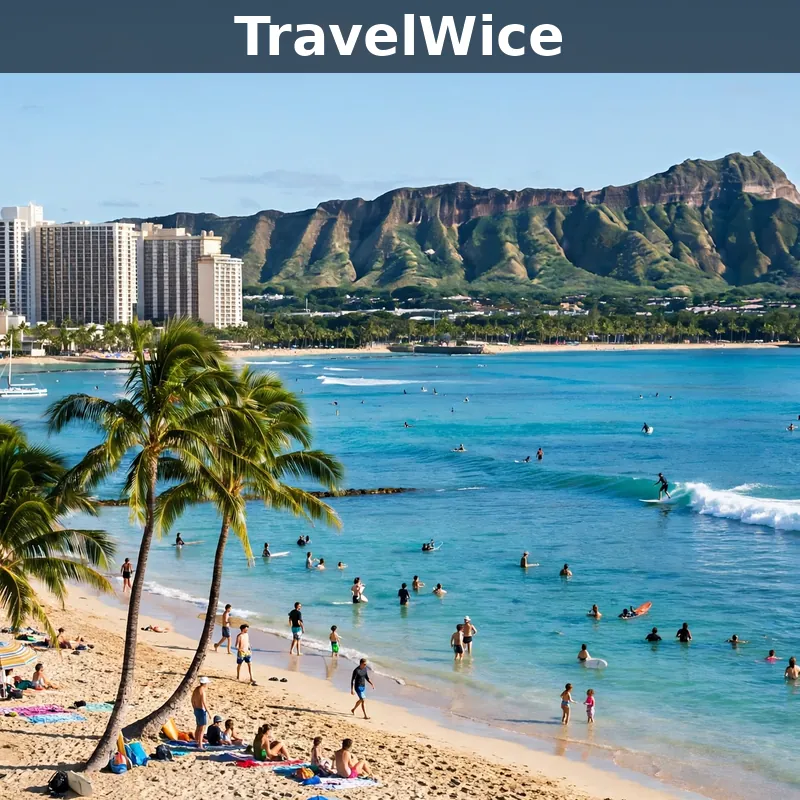
Why Honolulu Works for a First Trip
Honolulu is the easiest Hawaii city to visit. First, flights land here more often than anywhere else in Hawaii. Also, hotels line Waikiki in every price range. Next, buses run often and cover the main sights. In fact, you can land and reach Waikiki in under an hour. Dinner sits a ten-minute walk away in most of Waikiki. A volcano crater, a war memorial, and a palace all fit into three days. I liked that mix. A car was not needed every day. My feet and the bus did the work. My trip felt simple and calm.
The city sits on Oahu’s south shore. Waikiki sits at its edge. Downtown sits a short bus ride away. The North Shore sits about an hour north by car. However, that spread sounds wide. In practice, each day has one base and one trip. So, I based myself in Waikiki. Then, I took one trip per day. I never felt rushed. Check the Hawaii Tourism Authority official site before you go. It lists events, weather, and island tips in one place.
Getting from the Airport to Waikiki
Honolulu airport, HNL, sits 9 to 10 miles from Waikiki. In fact, the drive takes 20 to 30 minutes in normal traffic. Rush hour stretches it to 40 to 60 minutes. I took TheBus on my first day. It cost $3.00 with a HOLO card. Cash costs $3.25. The W Line runs direct. It runs about every 10 minutes. The ride takes 35 to 70 minutes in total. Also, I sat by the window and watched the city roll past. That slow ride helped me unwind after the flight.
Meanwhile, a shared shuttle costs $15 to $29 per person one-way. Uber or Lyft costs $25 to $45. A typical ride runs $30 to $36. Then, a metered taxi costs $35 to $50. A typical fare runs about $45. Charley’s runs a flat-rate taxi for $38 per car if you pre-book. Rideshare pickups sit on Level 1, the ground level, since October 2025. Follow the signs at the airport. Do not wait upstairs. Also, I used a taxi once, late at night, and I used the bus the rest of the time.
My Airport Mistake
I packed too much for my first trip. My bag weighed a ton. I dragged it up a curb and onto a bus. A local laughed and helped me lift it. I learned my lesson fast. Pack light for Honolulu. Bring one small bag. Bring a day pack for hikes. You will thank yourself at the airport. You will thank yourself again on the bus.
Waikiki: My First Morning
Waikiki at 7 AM feels like a local beach. First, the sand feels cool. The water looks clear. Meanwhile, kids splash near the shore. Old men paddle outrigger canoes. Diamond Head sits at the end of the beach. Next, I walked out before breakfast. Then, I bought coffee from a small shop. I sat on the sand and watched surfers catch small waves. No one rushed me. Also, no one sold me anything. That quiet hour set the tone for my whole trip.
By noon, Waikiki changes. The beach fills up. Then, the shops fill up. The sun feels strong. So, I moved into the shade by then. Then, I ate lunch at a counter. I drank a lot of water. Later, I came back to the beach at 5 PM. The light turned gold. Then, the crowds thinned out. The sunset felt soft and slow. Our Waikiki Beach guide for 2026 covers the surf spots, hotels, and free shows in detail. Read it before you book a room.
Where I Stayed and What It Cost
In fact, I stayed in a mid-range Waikiki hotel. It cost about $260 a night before tax. The total hotel tax runs 18.712% on the room and the resort fee. That tax breaks down as 11% state tax, 3% Oahu tax, and 4.712% general excise tax. Also, my resort fee ran $45 a night before tax. Parking would have cost $55 to $69 a night for self-park. I skipped the car, so I skipped that fee. So, a $300 room becomes $356.14 a night after tax. That figure excludes the resort fee and parking. Read the total before you book. Search by total price, not by headline price.
For example, mid-range Waikiki hotels run $180 to $280 a night for a 3-star. A 4-star runs $250 to $450. A 5-star runs $450 to $1,000 or more. All prices run before tax and fees. Honolulu hotel prices average about $285 to $290 a night before tax and fees. I booked early. Then, I picked a hotel two blocks from the beach. I saved money and I still walked to the sand in five minutes. That trade felt right to me.
Diamond Head: The Hike Worth Waking Up For
Diamond Head is the crater you see from Waikiki. It looks close. In fact, it feels like a real hike once you start. First, non-residents pay $5 per person if they are 4 or older. Kids under 3 enter free. Hawaii residents enter free with a Hawaii ID. They need no reservation. Non-residents need a reservation. That rule covers walk-ins and rideshare drop-offs too. Book at the state parks booking site. You can book up to 30 days ahead. Pay by credit card only. Arrive within the first 30 minutes of your slot.
Also, the park opens at 6:00 AM and closes at 6:00 PM daily. Then, the last reservation runs at 4:00 PM. The last entry runs at 4:30 PM. The park closes on Christmas Day and New Year’s Day. Parking costs $10 per non-commercial vehicle. The hike runs 1.6 miles round trip. It gains 560 feet. The summit sits at 761 feet. Allow 1.5 to 2 hours. The trail has a 225-foot lighted tunnel and steep stairs near the top. The view from the top runs 360 degrees. Then, I saw Waikiki, the ocean, and the city in one slow turn.

How My Diamond Head Morning Went
First, I booked the first slot of the day. I arrived at 6:15 AM. The air felt cool. The trail felt quiet. I climbed the stairs slowly. Then, I stopped twice to catch my breath. I drank water at the top. The sun climbed over the ocean. The light turned the water gold. I took photos and then I put my phone away. I just stood there for ten minutes. Also, bring water. Wear shoes with grip. Wear a hat. The trail has little shade. I wore sunscreen and I still felt the sun on my neck.
Pearl Harbor: Plan It Like a Ticket, Not a Walk-In
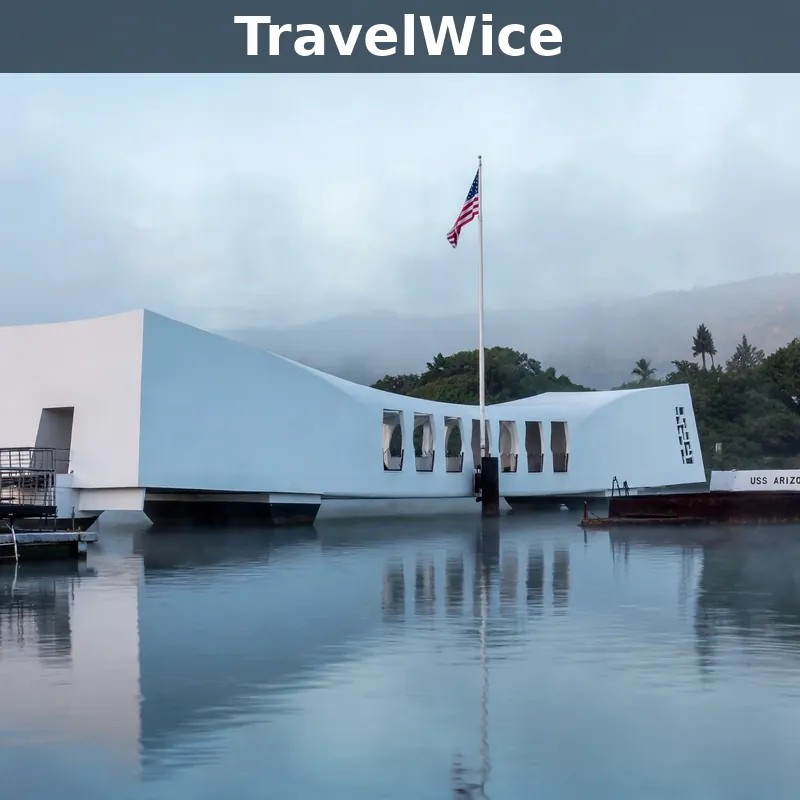
Pearl Harbor moved me more than any other stop in Honolulu. It is quiet. Then, it is solemn. It is also busy, so plan it well. The USS Arizona Memorial and the Visitor Center cost nothing to enter. So, you must book online through recreation.gov. Same-day tickets at the gate no longer exist. A standby callback system runs with no promise of a seat. Tickets cost a $1.00 booking fee each. That fee does not come back if you cancel. Tickets go on sale daily at 3 PM Hawaii time. They sell in two windows: 8 weeks ahead and 24 hours ahead. You can book up to 10 tickets a day. That count includes infants.
First, programs run every 15 minutes from 8:00 AM to noon. They run again from 1:00 to 3:30 PM. The whole visit takes about 45 minutes. You spend 10 to 15 minutes on the memorial itself. Arrive one hour early. The Visitor Center opens at 7 AM and closes at 5 PM daily. It closes on Thanksgiving, December 25, and January 1. Parking costs $7 a day. Read our Pearl Harbor guide for 2026 for the full ticket plan. One missed step can cost you the morning.
The Paid Sites Next Door
Also, the paid sites sit nearby, and they add a lot to the day. Then, the Battleship Missouri costs $44.99 per adult. The Pearl Harbor Aviation Museum costs $29.99 per adult and $17.99 per child aged 4 to 12. Then, the USS Bowfin and Pacific Fleet Submarine Museum costs $25.99 per adult and $14.99 per child. The Passport to Pearl Harbor costs $99.99 per adult and $49.99 per child. That pass does not include the Arizona reservation. Ford Island sites need a free shuttle. You need a government photo ID for Ford Island. Next, I visited the Missouri after the memorial. Then, I walked its decks slowly. I stood where the surrender took place. That moment stayed with me.
What I Felt at the Memorial
First, I rode the boat out in silence. The water looked calm. The white memorial floated over the sunken ship. An oil drop rose to the surface. A ranger spoke softly. I thought about the sailors below. Then, I thought about how young they were. I did not take many photos. Then, I did not want to. I just stood and looked at the wall of names. Give this visit time. Do not rush it. Do not treat it like a photo stop. Arrive early. Stay quiet. Let the place speak.
Downtown Honolulu and Iolani Palace
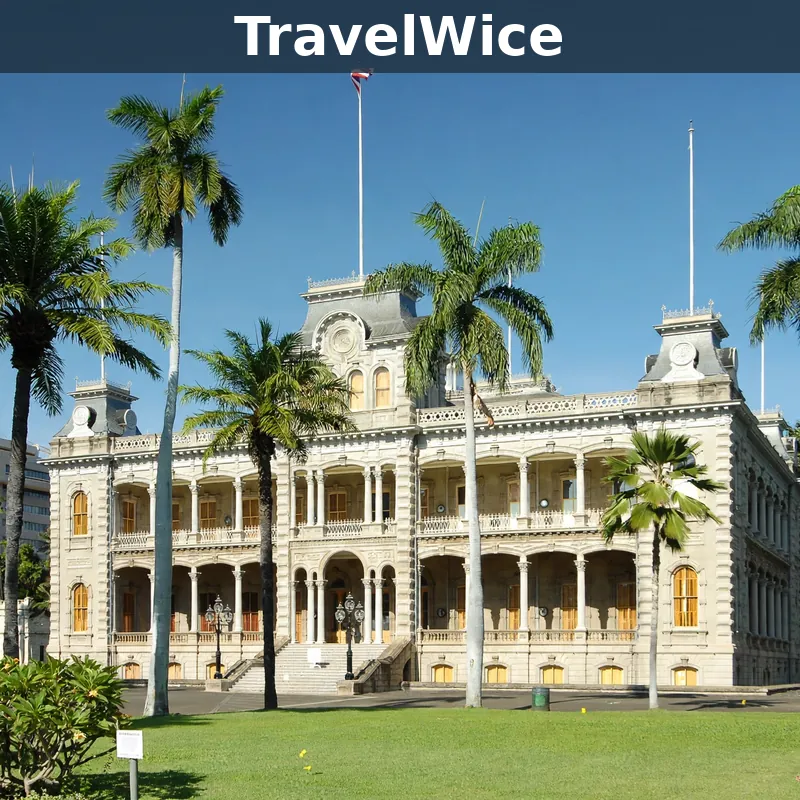
Downtown Honolulu feels different from Waikiki. First, the streets feel older. Then, the buildings feel lower. The pace feels slower. In fact, Iolani Palace sits at the heart of it. The palace is built from coral stone. Palm trees shade its lawn. It served as the home of Hawaii’s last monarchs. Next, I took the guided tour. It lasted about an hour. I learned about King Kalakaua and Queen Lili’uokalani. I saw the throne room and the library. The tour cost less than a Waikiki dinner. It gave me more than a dinner ever could.
Also, Chinatown sits a short walk away. For example, it has markets, small restaurants, and art shops. I ate noodles there for lunch. Then, I paid less than $15. I walked back through downtown as the sun set. The palace glowed in the evening light. I felt like I had seen a different Honolulu. However, most visitors skip downtown. I think that is a mistake. Give it half a day. You will see the city that locals know.
A Slow Afternoon in Chinatown
Later, I wandered Chinatown without a plan. Then, I stopped at a market stall. I bought fresh pineapple. I ate it on the spot. Juice ran down my chin. I laughed at myself. A shopkeeper smiled and handed me a napkin. That small moment felt more real than any tour. Eat where locals eat. Walk where locals walk. Honolulu rewards that choice.
Hanauma Bay: Snorkelling in a Volcano Crater
Hanauma Bay sits in an old volcanic crater. The water looks turquoise. Meanwhile, the fish swim close to shore. The reef feels alive. In fact, non-residents pay $25 if they are 13 or older. Kids 12 and under enter free. Hawaii residents and active US military enter free too. Online bookings add a 2.35% fee. Reservations open exactly 2 days ahead at 7:00 AM Hawaii time. Book through the City booking site. About 25% of spots stay back for walk-ins. The bay closes every Monday and Tuesday. It also closes on Christmas and New Year’s Day. Entry runs from 6:45 AM to 1:30 PM. The beach clears at 3:30 PM. Everyone leaves by 4:00 PM. Parking costs $3 per vehicle, cash only. Every visitor watches a short education video first.
First, I set an alarm for 7 AM. Then, I booked the earliest slot. I arrived with reef-safe sunscreen. Then, I did not touch the coral. I kept my distance from the turtles. The fish swam in bright schools. I floated for an hour and forgot the time. The bay closed for a short time in August 2026. It reopened on August 19, 2026. A second closure is planned in early 2027. Check the City page before you go. The City and County of Honolulu site lists current hours and closures.
Snorkel Tips That Helped Me
Also, rent gear at the bay or bring your own mask. Bring a rash guard if you burn fast. I wore one and I stayed in the water for an hour without a burn. Drink water before you swim. Do not stand on the reef. Swim over it, not on it. If you feel tired, float on your back and rest. The bay is calm, but the sun is strong. Reapply sunscreen after you swim. Your skin will thank you.
The North Shore: Big Waves and Small Towns
The North Shore runs about an hour north of Waikiki by car. In fact, it feels like a different Oahu. The towns feel small. Then, the beaches feel wide. The waves feel huge in winter. The season runs from November to February, into early March. North-facing shores run 8 to 30 feet. The peak runs in December and January. Banzai Pipeline sits at Ehukai Beach Park. It has a shallow reef. People call it the world’s deadliest wave. Waimea Bay wakes up when swells pass 15 feet. Its faces run 20 to 40 feet. Sunset Beach and Haleiwa fill with watchers too. Winter surf suits experts only. It does not suit beginners. Strong currents, shorebreak, and shallow coral make it dangerous. Watch from the beach. Stay well back. Never turn your back on the ocean.
Next, I stood at Pipeline and watched surfers drop into waves taller than houses. Then, I stayed behind the sand line. I felt the spray on my face. Then, I ate shrimp from a truck in Haleiwa. Later, I walked the beach at sunset. I drove back to Waikiki as the sky turned pink. In summer, the North Shore turns flat. Waves run 1 to 4 feet from April to October. Families swim where pros surf in winter. The Vans Triple Crown runs in November and December, with holding windows that depend on weather. Exact 2026–27 dates were not verified, so I only say November to December here. The Eddie Aikau Invitational at Waimea Bay runs only when swells reach 20 feet. It last ran on December 22, 2024. The 2025–26 window closed without qualifying surf.
Haleiwa Town, My Favourite Stop
Also, Haleiwa is a small surf town with art shops and food trucks. I bought shave ice there. I paid a few dollars. The syrup tasted like real fruit. I walked the main street slowly. I stopped at a surf shop and talked to the owner. He told me where to watch the next swell. He told me which beach to avoid that day. Local advice beats any app. Ask people. Listen well. Haleiwa rewards slow walkers.
Food in Honolulu: Plate Lunch, Poke, and Shave Ice
Honolulu food runs cheap if you know where to look. For example, a plate lunch costs $10 to $18. It gives you rice, macaroni salad, and a main like chicken katsu. A poke bowl costs $10 to $22. It gives you raw fish, rice, and sauce. I ate poke for lunch three days in a row. My favourite bowl had ahi, sesame, onion, and a little heat. Shave ice costs a few dollars. It cools you down fast. The best stands use real fruit syrup. I ate at counters and trucks most days. I saved the fancy dinner for one night.
Also, a luau costs about $109 to $296 per adult. Most general seating runs $150 to $200. Germaine’s runs $128 for Makai, $167 for the Original, and $242 for Plumeria. I booked a luau on Oahu. Then, I arrived hungry. I watched hula and fire dancing. The food ran buffet style. Then, the music ran loud. The sunset ran pink behind the stage. Book early, because luaus sell out in winter. Food for a day runs $40 to $60 on a budget. A comfortable day runs $80 to $130. Read our Hawaii trip cost guide for 2026 for the full budget math.
My Best Meal in Honolulu
My best meal cost $14. I ate it at a counter near Waikiki. Then, I ordered chicken katsu, rice, and mac salad. I sat on a bench outside. I watched people walk past with surfboards. The food tasted fresh. The portion filled me up. I went back the next day. Then, I ordered the same thing. I do not regret it at all. Honolulu does not need a fancy restaurant to feed you well.
Getting Around Honolulu Without a Car
TheBus is my top tip for Honolulu. It costs $3.00 with a HOLO card. Cash costs $3.25. Buses run on time. Drivers help with directions. For example, I rode the bus to Diamond Head, to downtown, and to the airport. I rented a car for one day to drive the North Shore. An economy car costs $50 to $90 a day. A compact SUV costs $65 to $110 a day. I booked early. I returned the car the same day. That trick saved me $55 to $69 in hotel parking. It gave me a full day of freedom for one rental day.
Also, walking works well in Waikiki. The beach path runs for miles. Then, the shops sit close together. The sidewalks feel flat and safe. Bring good shoes. Water helps too, so carry a bottle. Bring a hat. The sun feels strong even on a cloudy day. I walked 8 miles on my best day. My feet felt fine because I wore shoes I trusted. Do not wear new sandals on a long walk. I made that mistake once. My feet hurt for two days.
Weather, Whales, and What to Pack
First, Honolulu in November runs a high of 84°F and a low of 72°F. December runs 82°F and 69°F. January runs 80°F and 67°F. February runs 80°F and 67°F. The sea stays warm too. It runs 79°F in November, 77°F in January, and 76°F in February. Rain runs about 2.25 inches in November. It runs 2.18 inches in December, 1.84 inches in January, and 1.94 inches in February. Showers pass fast. Flash floods can happen. Check the National Weather Service Honolulu forecast each morning. Do not hike a stream trail after heavy rain.
Also, humpback whales visit Hawaii from November to May. The official season runs December 15 to May 15. The peak runs from January to March. Up to about 12,000 whales return each year. The best viewing sits in Maui, Lanai, and Molokai, in the ‘Au’au Channel. The rule is simple: stay 100 yards away from whales. I took a whale watch in February. I saw a mother and calf breach twice. The whole boat went quiet. Book a morning trip. The sea runs calmer in the morning. Take motion-sickness tablets just in case. I took them and I felt glad I did.
Packing List for Honolulu
First, pack reef-safe sunscreen, a rash guard, and a light rain jacket. Then, pack a fleece for cool mornings. Pack good walking shoes and beach sandals. Pack a reusable water bottle and a dry bag for your phone. Bring cash in small bills. Some lots take cash only. Hanauma Bay parking costs $3 cash. Bring a phone charger. You will take more photos than you expect. Leave the heavy coat at home. Honolulu runs casual. A small bag moves faster through airports.
Three Days in Honolulu That Work
Day one: Diamond Head at sunrise, Waikiki beach in the afternoon, and a sunset walk. Then, day two: Pearl Harbor in the morning, downtown and Iolani Palace in the afternoon, and dinner in Chinatown. Day three: drive the North Shore, watch the surf, eat shrimp in Haleiwa, and drive back at sunset. Day four, if you have it: Hanauma Bay in the morning, a slow lunch, and a luau in the evening. That plan gives you hikes, history, surf, and food. It leaves room for a nap and a second shave ice. I did this plan first. I came back for Maui and Kauai later. Both trips felt right because I never rushed a day to fit a list.

Staying Safe in Honolulu
Never turn your back on the ocean. Never swim alone at a beach with no lifeguard. Shorebreak can knock you down. Currents can pull you out. The North Shore in winter is not a place to test your luck. For example, I watched the surf from the sand. Then, I stayed behind the warning signs. I swam only where lifeguards worked. That rule kept me safe. If a beach has a warning sign, read it. If a lifeguard says stay out, stay out. Do not touch coral. Do not chase turtles. Stay 100 yards from whales. Leave rocks and sand where you found them.
Honolulu at a Glance
| Place | Best for | Typical cost | My tip |
|---|---|---|---|
| Waikiki Beach | First-timers, surf, sunset | Free to visit | Go at 7 AM for quiet sand |
| Diamond Head | Sunrise hike, views | $5 non-resident | Book the first slot |
| Pearl Harbor | History, memorial | Free, $1 booking fee | Arrive one hour early |
| Hanauma Bay | Snorkelling, reef | $25 non-resident 13+ | Book 2 days ahead at 7 AM |
| North Shore | Winter surf watching | Free to watch | Stay well back |
| Iolani Palace | History, downtown | Tour under a dinner price | Take the guided tour |
| Chinatown | Food, markets, walks | Lunch under $15 | Eat where locals eat |
Chart: Where a Mid-Range Day’s Money Goes in Honolulu
In fact, this chart breaks down a mid-range day of about $320 a person in Honolulu. It shows which cost runs the trip.
Hotel, about $160 a night: ████████████████████████████████ 50%
Food, about $80 a day: ████████████████ 25%
Tours and transport, about $50 a day: ██████████ 16%
Shopping and extras, about $30 a day: ██████ 9%
Also, the hotel is the story, at half the daily spend. Tax and resort fees push it higher than the headline price. Food is second. It is the cost you control most. A plate lunch instead of a resort dinner saves $25 a day. Tours and transport are third. Free sights, like beaches, sunsets, and hikes, keep that number down. Pick the hotel by the total price. Eat cheap at lunch. Book one tour a day. The trip will cost what you planned.
References
- Hawaii Tourism Authority official site — the official visitor guide, island pages, and travel tips.
- Pearl Harbor National Memorial — the USS Arizona Memorial, tickets, and visitor information.
- Haleakala National Park — national park info, fees, and alerts.
- Hawaii State Parks — Diamond Head, Hanauma Bay info, and park reservations.
- recreation.gov reservations — Pearl Harbor bookings online.
- City and County of Honolulu — Hanauma Bay hours, closures, and city services.
- National Weather Service Honolulu — Honolulu weather, surf, and flood forecasts.
Honolulu Travel Guide Quiz
Test what you picked up from this guide before you book.
1. How much does Diamond Head cost for a non-resident, and what do residents pay?
- A) $5 for a non-resident, free for Hawaii residents with ID
- B) $25 for everyone, no exceptions
- C) Free for everyone, no reservation needed
2. How do you book the USS Arizona Memorial, and what is the fee?
- A) At the gate on the day, for $25
- B) Online through recreation.gov, for a $1.00 booking fee
- C) By phone only, for $10
3. How much does TheBus cost in Honolulu, and what is the HOLO card price?
- A) $3.00 with a HOLO card, $3.25 cash
- B) $5.00 with a HOLO card, $6.00 cash
- C) $1.00 with a HOLO card, $2.00 cash
4. When is the North Shore winter surf season, and who should surf it?
- A) November to February, experts only
- B) April to October, beginners welcome
- C) June to August, intermediate surfers only
5. How much is Hanauma Bay entry for a non-resident aged 13 or older?
- A) $5
- B) $25
- C) $50
Quiz Answers
- A) $5 for a non-resident, free for Hawaii residents with ID — Diamond Head costs $5 per non-resident aged 4 and older, while Hawaii residents enter free with ID.
- B) Online through recreation.gov, for a $1.00 booking fee — The Memorial is free to enter, but you must book online, with a $1.00 non-refundable fee per ticket.
- A) $3.00 with a HOLO card, $3.25 cash — TheBus costs $3.00 with a HOLO card and $3.25 in cash.
- A) November to February, experts only — Winter surf runs November to February, with 8 to 30 foot faces, for experts only.
- B) $25 — Hanauma Bay costs $25 for non-residents aged 13 and older, while kids 12 and under enter free.