

Durango Travel Guide: Trains, Mesa Verde and Outdoor Adventures in Southwest Colorado
Durango sits at 6,512 feet in the Animas River Valley, where a working Victorian railroad town runs straight into the San Juan Mountains. Here’s what I love about it: it’s a real town, not a resort. Students, river guides, artists and ranchers share Main Avenue with travellers. The steam whistle still sounds in the morning. And the trails, the rafting and that famous train are all minutes from downtown — you don’t have to drive an hour to find the good stuff.
TL;DR — Durango travel guide at a glance: Stay 3–4 days. Ride the Durango & Silverton train to Silverton on one full day, take a separate full day for Mesa Verde National Park, and use other days for downtown, the Animas River Trail, rafting or biking, and a scenic drive. Visit June–September for the full summer range, late September–October for golden aspens, and December–March for skiing at Purgatory Resort. Downtown hotels run roughly $150–$300 in peak season.

Why Durango Is Different From Other Colorado Mountain Towns
Durango was founded in 1880 as a railroad and smelting centre, and its narrow-gauge railroad has been running since 1882 — so history here still moves, and it still whistles. It’s also one of America’s most outdoorsy small cities. It’s hosted more USA Cycling national championships than any other city, the 567-mile Colorado Trail ends here, and the Animas River runs right through town. The Colorado travel guide for 2026 puts Durango in statewide context, and the Telluride travel guide is the natural next stop north on the San Juan Skyway.
When to Visit Durango: Seasons, Weather and Crowds
When you go shapes your trip — Durango changes with the seasons. Summer unlocks the full train, rafting, high-country hiking and Mesa Verde tours, but you’ll pay the highest prices and share it with the biggest crowds. Winter is quieter and cheaper downtown, with skiing, hot springs and winter trains. Spring and autumn mean fewer people and lower rates, but changeable weather and some seasonal closures.
Summer: June to September
Summer is peak Durango, with average highs in the high 70s to low 80s Fahrenheit. July is the warmest, averaging about 82°F by day and 53°F at night. Mornings are clear and cool, afternoons can bring brief monsoon storms from mid-July into August, and evenings cool off fast. Book train seats, hotels and Mesa Verde tours ahead, especially on summer weekends.
Autumn: Late September to October
Autumn might be Durango’s most beautiful season, when aspens across the San Juans turn gold, usually peaking in late September to early October. Daytime highs fall from the low 70s in September to about 61°F in October, with cold mornings, so layers matter. The train normally runs into late October or early November, and Mesa Verde tours in 2026 ran from early May to 21 October. If you can time it right, this is my pick — the colour is unreal and the summer crowds are gone.
Winter: December to March
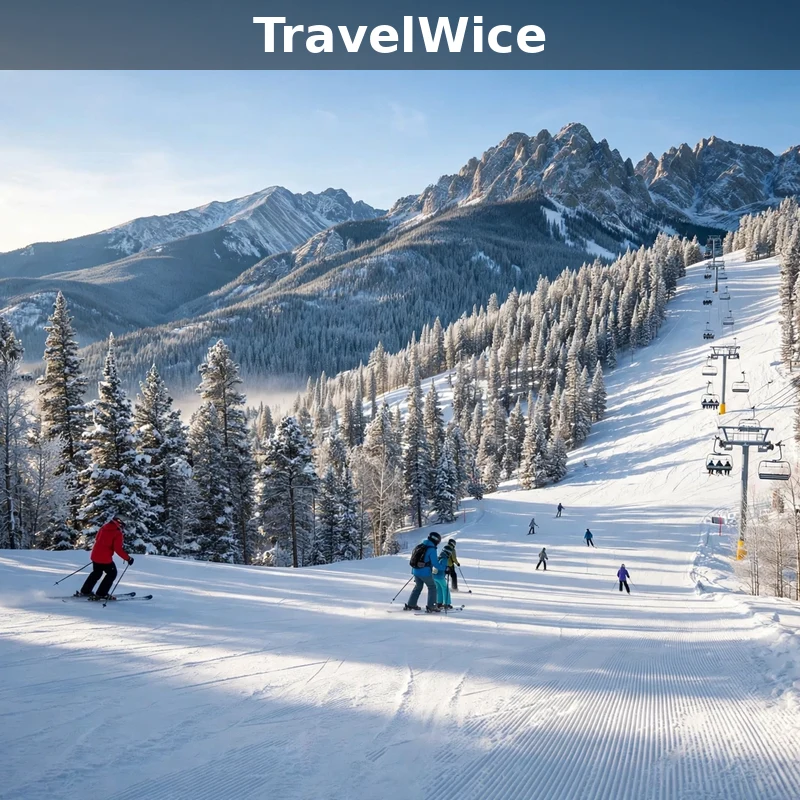
Winter is cold, snowy and often sunny, with January averaging about 36°F by day and 14°F at night. Downtown stays lively, and Purgatory Resort, 25 miles north, is the local ski area. The surrounding forest offers snowshoeing, cross-country skiing and snowmobiling, and the railroad runs shorter Cascade Canyon trains in winter. The holiday train usually runs from late November into early January.
Durango at a Glance: 2026 Season Planner
| Season | Typical weather | Best for | Watch out for |
|---|---|---|---|
| Summer (Jun–Sep) | Highs 79–82°F, lows 46–53°F; afternoon storms possible | Train, rafting, hiking, Mesa Verde | Peak prices, book early |
| Autumn (late Sep–Oct) | Highs 61–72°F, lows 34–44°F; golden aspens | Fall colour, quieter trails | Tours end mid-to-late Oct |
| Winter (Dec–Mar) | Highs 36–41°F, lows 14–19°F; snow, sunny spells | Purgatory skiing, hot springs | Mountain road closures |
| Spring (Apr–May) | Highs 50–68°F, lows 25–38°F; variable | Lower prices, valley walks | High trails snowy |
Temperatures are long-term averages, not forecasts. Prices and dates vary.
Historic Downtown Durango: Main Avenue and the Old West
Historic downtown Durango is compact, walkable and worth at least half a day on foot. Main Avenue runs north–south, lined with Victorian brick buildings from the 1880s and 1890s that now hold shops, bookstores, galleries, restaurants and brewpubs. The district is on the National Register of Historic Places, with 86 contributing buildings. The train depot sits at the southern end, so history and daily life overlap.
Walking Main Avenue
Start at the depot and walk north, looking up as well as across the street — the best details are above eye level. The Strater Hotel, built in 1887, is the grandest landmark, with a Victorian interior, saloon and live music. Step inside even if you’re not staying there. Browse Maria’s Bookshop, a long-running independent bookstore, and Toh-Atin Gallery for Native American art, jewellery and pottery. Allow two to four hours for a relaxed wander.
Food, Drink and Evening Downtown
Durango eats and drinks well for its size, mostly downtown. Steamworks Brewing Company is the best-known brewpub, with award-winning beers and a lively dining room, while Animas Brewing Company is quieter and closer to the river. At 11th Street Station, several food trucks and a bar share outdoor seating at 11th and Main. Book ahead for popular dinners on Friday and Saturday in summer, or you’ll be eating at 9pm.
The Durango & Silverton Narrow Gauge Railroad: The Trip That Defines Durango
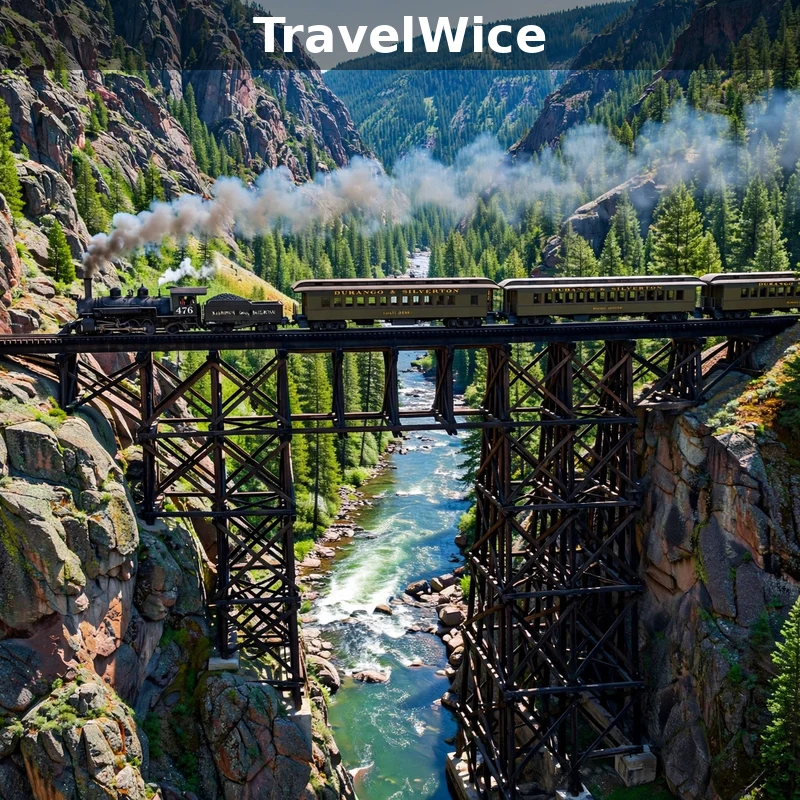
If you do one big thing in Durango, ride the train. The Durango & Silverton Narrow Gauge Railroad has run since 1882, originally carrying silver and gold ore, and now it carries passengers 45 miles through the Animas River gorge to Silverton. For much of the route there’s no road beside the track — only canyon walls, pine forest and the river below. That’s the whole point. You’re seeing country you literally cannot reach any other way.
What the Silverton Trip Involves
In 2026 the full Silverton service ran from 2 May to 1 November. The main departure left Durango at 9:00am, reached Silverton at about 12:30pm, left at 2:45pm and returned at about 6:15pm — a 9.25-hour day with the layover. The two-hour Silverton layover allows lunch, a walk along the main street and the mining museum. A Skyway Tour, train one way and bus the other, saves about two hours.
Tickets, Classes and Booking Tips
Fares vary by class, date and steam or diesel, so treat these as a 2026 guide, not current prices. In 2026, standard-coach round trips were listed from about $110 for diesel and $118 for steam for adults, with lower child fares, and gondola seats cost more. Deluxe and first-class cars cost roughly $160–$260 for adults in 2026. The Colorado trip cost guide for 2026 helps fit the train into a wider budget.
Mesa Verde National Park: Durango’s World-Class Day Trip
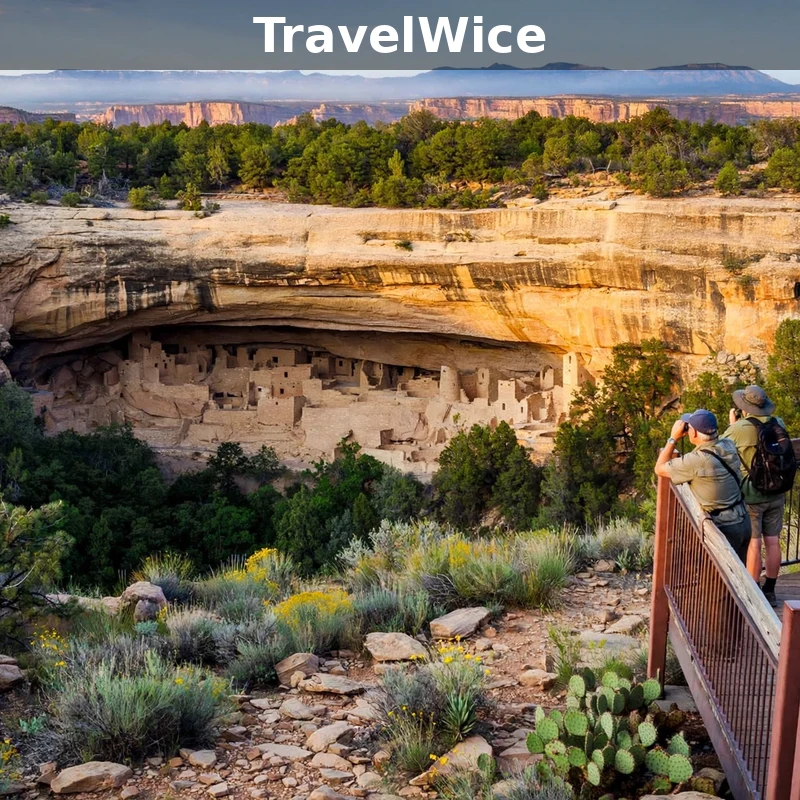
Mesa Verde National Park is a key reason travellers choose Durango as a base. The park protects more than 5,000 archaeological sites, including 600 cliff dwellings built by the Ancestral Pueblo people between about 600 and 1300 CE, and it’s a UNESCO World Heritage Site. Cliff Palace, the largest cliff dwelling in North America, and Balcony House, reached by ladders and a tunnel, are the most famous sites.
Getting There From Durango
The park entrance is on US Highway 160, about 35 miles west of Durango, roughly an hour’s drive. Allow another 45–90 minutes inside the park to reach Chapin Mesa, as the road is steep, narrow and winding, and the first cliff-dwelling view is about 21 miles in. The National Park Service puts the total drive to headquarters and Chapin Mesa at 1.5 hours from Durango. Check the National Park Service directions for Mesa Verde for road work before leaving.
Cliff-Dwelling Tours, Tickets and Timing
Entering a cliff dwelling needs a ranger-led tour ticket, booked through Recreation.gov, usually released 14 days ahead at 8am Mountain Time. In 2026, Cliff Palace and Balcony House tours ran from 4 May to 21 October and sold out quickly in summer. Tour tickets are separate from the entrance pass, recently in the $15–$30 range by vehicle and season; check the current fee, as fees can change. The park does not accept cash at the entrance, and cell service is very limited, so screenshot your ticket before you lose signal.
How to Spend a Mesa Verde Day
Leave Durango by 7:00–7:30am, stop at the visitor centre near the entrance, then drive to Chapin Mesa, visit the museum and take your booked tour. Afterward, drive the six-mile Mesa Top Loop, with short paths to a dozen sites and overlooks, including Sun Temple and Cliff Palace viewpoints. Leave by mid-to-late afternoon for dinner in Durango, and don’t combine Mesa Verde with the train on the same day. I know it’s tempting to cram both in. Don’t. You’ll enjoy neither.
Outdoor Activities Around Durango: Hiking, Biking, Rafting and More
Durango’s outdoor range is wide for a town its size, and you don’t need to be an expert to enjoy it. The Animas River Trail, Horse Gulch, the Colorado Trail and the San Juan National Forest start minutes from downtown, and local shops rent bikes, rafts and fishing gear. Match the activity to the season and your energy: a long hike or raft trip is a full morning, and altitude, sun and dry air tire you out faster than the same effort at sea level.
Hiking: From Riverside Walks to High Alpine Trails
The Animas River Trail is the easiest popular walk: a paved, nearly seven-mile riverside path, free and open year-round. If you only do one walk in Durango, make it this one — it’s flat, it’s pretty, and it shows you the town at its best. The Rim Trail near Fort Lewis College is a short climb with views over Durango and the valley. Animas Mountain is a roughly five-mile loop with about 1,400 feet of gain, with views to the La Plata Mountains, though some upper sections close seasonally for wildlife. The Colorado Trail to Gudy’s Rest is a moderate eight-mile round trip through aspen and wildflowers.
Mountain Biking and Cycling
Mountain biking is part of Durango’s identity, with trails for beginners through experts. Horse Gulch, east of downtown, has more than 30 miles of singletrack, from smooth flow to technical rock, and the eight-mile Dry Fork Loop is a classic intermediate ride. Hermosa Creek, north of town, offers longer, remote riding, and Purgatory opens a lift-served bike park in summer. Rentals typically run $50–$80 a day, more for full-suspension or e-bikes.
Rafting, Kayaking, Fishing and Lakes
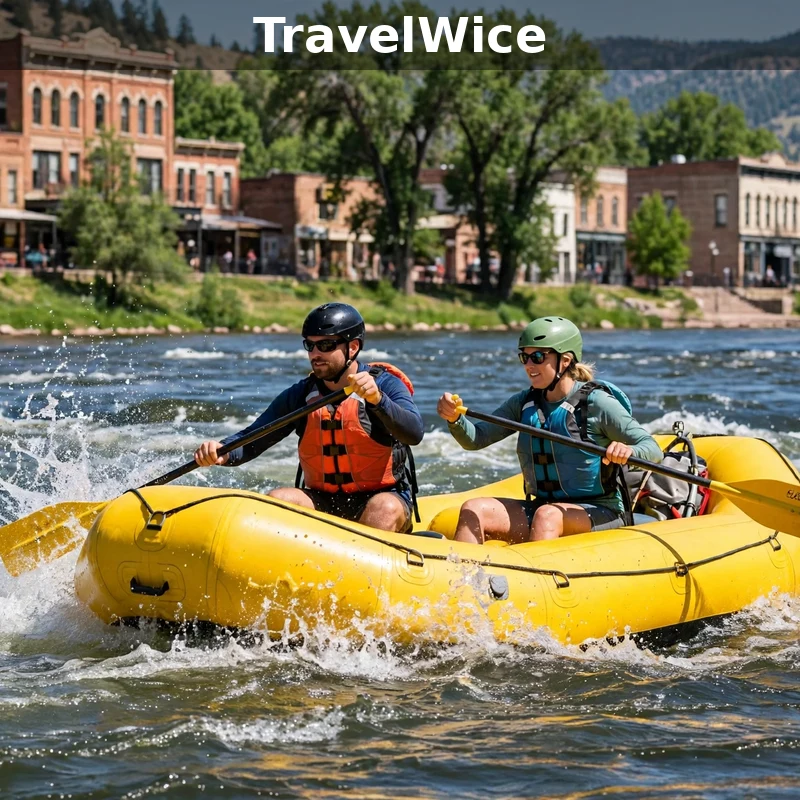
The Animas runs Class II–III rapids through Durango, with gentler family floats for children as young as four on the lower river, and Class IV–V water on the Upper Animas above Silverton for experts with a guide. Half-day raft trips typically cost $55–$75 per person in recent seasons, floating through Smelter Rapid and downtown. The Animas through Durango holds Gold Medal fly-fishing water, with rainbow and brown trout; check current regulations and river flows first.
Chart/Graph: How Durango’s Seasons Compare for Visitors
The chart below shows why summer scores highest for breadth, but not for value or quiet.
| Month | Average high (°F) | Average low (°F) | Train to Silverton | Rafting / river | Skiing at Purgatory |
|---|---|---|---|---|---|
| January | 36 | 14 | Winter Cascade Canyon only | No | Yes |
| April | 59 | 31 | Limited / starts early May | Low water, cold | Late season, variable |
| July | 82 | 53 | Yes, full service | Yes, peak | No |
| September | 72 | 44 | Yes, full service | Yes, lower water | No |
| October | 61 | 34 | Yes, into late Oct | Limited | No |
| December | 38 | 16 | Winter / holiday trains | No | Yes |
Interpretation: July has the warmest weather and fullest range, averaging 82°F by day and 53°F at night, and it’s the only month here where the full train, peak rafting and high-country hiking all overlap. September is the best compromise: still warm enough for the train and river at 72°F, but with thinner crowds and turning aspens. January and December are the mirror image — cold, no rafting, only winter trains, but with skiing and the quietest downtown. Pick July for maximum choice, September for balance, and winter for snow and lower prices, and check the National Weather Service forecast for western Colorado before travelling.
Where to Stay in Durango: Downtown, North Durango and Beyond
Where you stay shapes the trip, because downtown is walkable and lively, while areas north towards Purgatory are quieter and more spread out. Downtown suits most first-time visitors who want to walk to restaurants, the depot and the river trail. Properties north of town, including lodges and rentals towards Purgatory, suit families with a car who want space, a kitchen or a quieter night. Camping is available nearby, with Morefield Campground inside Mesa Verde for a park-focused night. My honest advice: stay downtown for your first trip. The walkability is half the charm.
Downtown Hotels and Historic Inns
Downtown has historic inns and modern hotels, so you can leave the car parked for much of the trip. The Strater Hotel is the most historic choice, with Victorian rooms, a saloon and live music, while the General Palmer and Rochester hotels offer smaller historic stays near Main Avenue. In peak summer, downtown rooms commonly fall roughly $150–$300 a night, with historic and river-view rooms higher; winter and shoulder rates are often lower.
North Durango, Purgatory and Vacation Rentals
Staying at or near Purgatory saves the 25-mile drive each ski morning, with slopeside lodging in winter and summer stays for hiking and biking. Between downtown and Purgatory, lodges, cabins and rentals along US Highway 550 offer space, kitchens and mountain views, suiting families and groups. Rentals can be good value for a week, but check location carefully: some that look close on a map are a 20–30 minute drive from downtown in summer.
Practical Tips for Visiting Durango
A little preparation makes Durango easier, especially from sea level. The town is at altitude, the air is dry, the sun is strong, and mountain weather can change quickly. These tips cover getting there, altitude and safety, packing, and a simple three-day plan.
Getting There and Getting Around
Durango-La Plata County Airport (DRO), about 12 miles southeast of downtown, has flights from Denver, Dallas–Fort Worth, Phoenix and other hubs. Driving from Denver takes about six hours via US Highway 160 and US Highway 550. There’s no passenger rail to Durango other than the tourist railroad, and regional public transport is limited, so a car is highly recommended for Mesa Verde, Purgatory and scenic drives. Honestly, unless you’re spending the whole trip on foot downtown, get the car.
Altitude, Sun, Water and Safety
At 6,512 feet, altitude can affect visitors, especially on day one and at higher elevations near Silverton. Drink more water than usual, go easy on alcohol on arrival, and take strenuous hikes more slowly than at home. Wear sunscreen, a hat and sunglasses even on cloudy days. Summer afternoon storms can bring lightning and sudden rain, so start hikes early and leave exposed ridges if a storm approaches. Check conditions with the San Juan National Forest or the Colorado.com guide to making Durango your adventure base before backcountry trips.
A Practical 3-Day Durango Itinerary
Day one: arrive, walk Main Avenue, pop into the Strater Hotel and Maria’s Bookshop, walk part of the Animas River Trail, and dine downtown. Day two: ride the train to Silverton and back, or take the Skyway Tour for a shorter day, then relax in town. Day three: leave early for Mesa Verde, take your booked cliff-dwelling tour, drive the Mesa Top Loop, and return for a farewell dinner. Three days, three very different Durangos. That’s the trip.
References
- Mesa Verde National Park — National Park Service overview, fees, tours and current conditions.
- National Park Service directions for Mesa Verde — distances, drive times and directions from Durango and Cortez.
- Colorado.com guide to making Durango your adventure base — Colorado Tourism Office guide to Durango adventures, drives and seasons.
- San Juan National Forest — U.S. Forest Service information on trails, camping and conditions around Durango.
- National Weather Service forecast for western Colorado — forecasts and weather safety information for the Grand Junction office area, which covers southwest Colorado.
- Recreation.gov — booking portal for Mesa Verde cliff-dwelling tours and other federal recreation reservations.
Quiz: Test Your Durango Knowledge
1. How long does the full Durango & Silverton round trip to Silverton usually take, including the layover?
- A. About 3.5 hours
- B. About 9.25 hours
- C. About 2 hours
2. How far is the Mesa Verde National Park entrance from Durango, by road?
- A. About 35 miles
- B. About 10 miles
- C. About 120 miles
3. Which season is best for golden aspens and thinner crowds in Durango?
- A. Late September to October
- B. January
- C. Mid-July
4. What is the elevation of Durango?
- A. About 3,000 feet
- B. About 6,512 feet
- C. About 10,000 feet
5. Which river runs through downtown Durango and offers rafting trips?
- A. The Colorado River
- B. The Rio Grande
- C. The Animas River
Quiz Answers
- B — About 9.25 hours
- A — About 35 miles
- A — Late September to October
- B — About 6,512 feet
- C — The Animas River