

New Orleans Jazz Guide 2026: Preservation Hall, Frenchmen Street & Brass Bands
The first jazz I heard in New Orleans was not in a club. It was on Royal Street, at about 4 p.m., a trumpet player standing by a doorway with his case open on the pavement, playing a slow, low version of a song I half recognised. I stopped. Also, I stayed for three songs. I put money in the case and walked away thinking the whole trip might be like this — music just lying around in the street, free, waiting for someone to stop. It was.
This New Orleans jazz guide 2026 is the week I spent chasing that sound: Preservation Hall, Frenchmen Street. The brass bands, the jazz brunch, the street corners. Also, the nights that ended later than I planned, with the prices I paid. The mistakes I made so you do not have to make them. One of those mistakes was dancing. I danced anyway.
The band pretended not to notice, and I am grateful.
TL;DR: Start with Preservation Hall — 726 St. Peter Street, 45-minute sets, about $25–$65, book online ahead, sets most nights at 5:00, 6:15, 7:30 and 8:45 PM. Then walk seven minutes to Frenchmen Street in the Marigny, three blocks of clubs: The Spotted Cat (no cover, one-drink minimum), d.b.a. ($10–$20 cover), Snug Harbor ($20–$40), Blue Nile (about $10), Three Muses (free, 7–9 PM dinner show). Tuesday night belongs to the Rebirth Brass Band at the Maple Leaf Bar, $20 at the door, a residency running since 1990. Tip street musicians $5–$10. Jazz brunch at Commander’s Palace runs $50–$100.
Preservation Hall: The Room That Started Everything
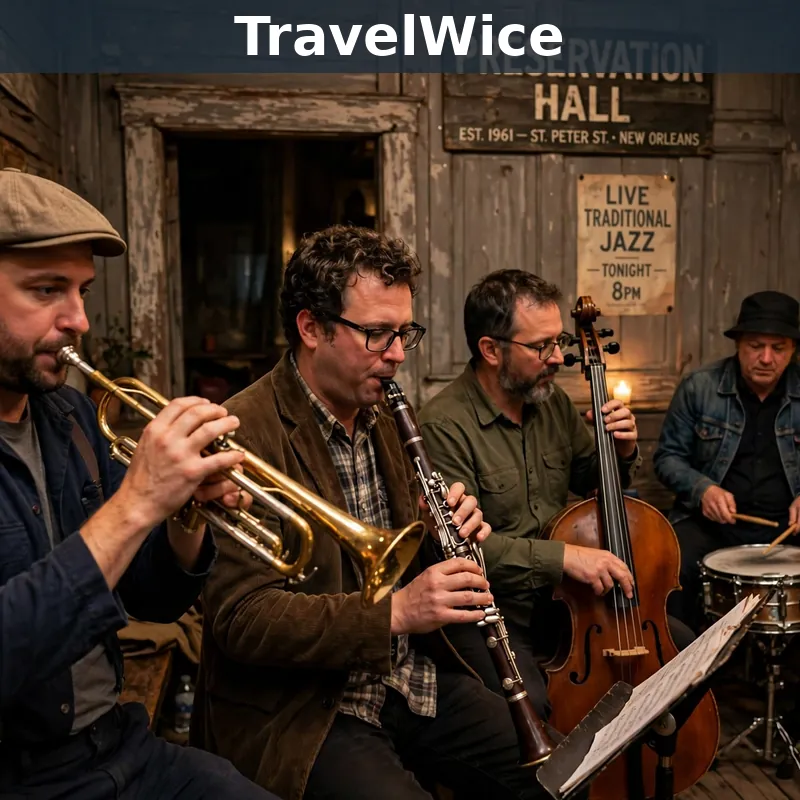
In fact, Preservation Hall sits at 726 St. Peter Street in the French Quarter. It has been there since 1961, which makes it one of the oldest rooms in American jazz. The room itself is the first thing you notice, because there is almost nothing in it: bare wooden floors. A few benches, no bar, no air conditioning worth mentioning, about a hundred seats. A band playing a few feet from your knees. I sat in the second row for the 7:30 set. The trumpet was close enough that I could hear the valves click between notes. It was the best $40 I spent in New Orleans. I say that knowing the ticket range is about $25 to $65 depending on the seat and the night.
In addition, the sets last 45 minutes, and they run most nights at 5:00, 6:15, 7:30 and 8:45 PM. Book online ahead — the Preservation Hall official site is where the tickets live. The good seats go first, especially on weekends. I booked the 7:30 set two days ahead. Still ended up in the second row rather than the first, which tells you how fast the front fills. There is no bar, so there is no drink to order and no waiter to wave down. You sit, you listen, and the band plays traditional New Orleans jazz — the kind with the clarinet weaving around the trumpet. The banjo keeping time — for 45 minutes without a break. Nobody talks. Nobody checks a phone. It is the quietest room in the city, and the loudest music in it, at the same time.
The Music After Dark
There is also no bar, which means you cannot hide behind a drink when the music gets to you. I got emotional during the third song and had nowhere to put my face except in my hands, which the bench made very public.
In particular, my advice: take the earliest set you can, the 5:00 or the 6:15, and then walk to dinner after. The hall is at its best when you are fresh. Also, the music is the kind that needs your full attention. The kind where you hear something new in the third chorus that you missed in the first. If you take the 8:45 set, you will be tired. The room will still be wonderful, but you will not hear it the same way. I took the 7:30, which was a compromise, and I wished I had taken the 5:00. Also, do not bring a big bag. There is nowhere to put it, and the benches are close together. Travel light, arrive ten minutes early, and sit somewhere you can see the trumpet player’s hands.
The French Quarter New Orleans guide for 2026 maps the walk from Jackson Square to the hall, which takes about five minutes.
It is worth reading, because the Quarter’s streets are easy to get turned around in at night.
Frenchmen Street: Three Blocks That Never Sleep
After the tourists have gone to bed on Bourbon Street, Frenchmen Street is where New Orleans goes to hear music. It is in the Faubourg Marigny, just past the edge of the French Quarter, about a seven-minute walk from the Quarter. On top of that, it is three blocks long — three blocks, a dozen clubs. More live music on a Tuesday night than most cities have in a month. The street feels different from Bourbon the moment you arrive: fewer neon signs, more locals, smaller rooms. Bands playing for people who came to listen rather than people who came to drink. I went four nights out of six, and every night was different.
The Spotted Cat: The Room Everyone Names First
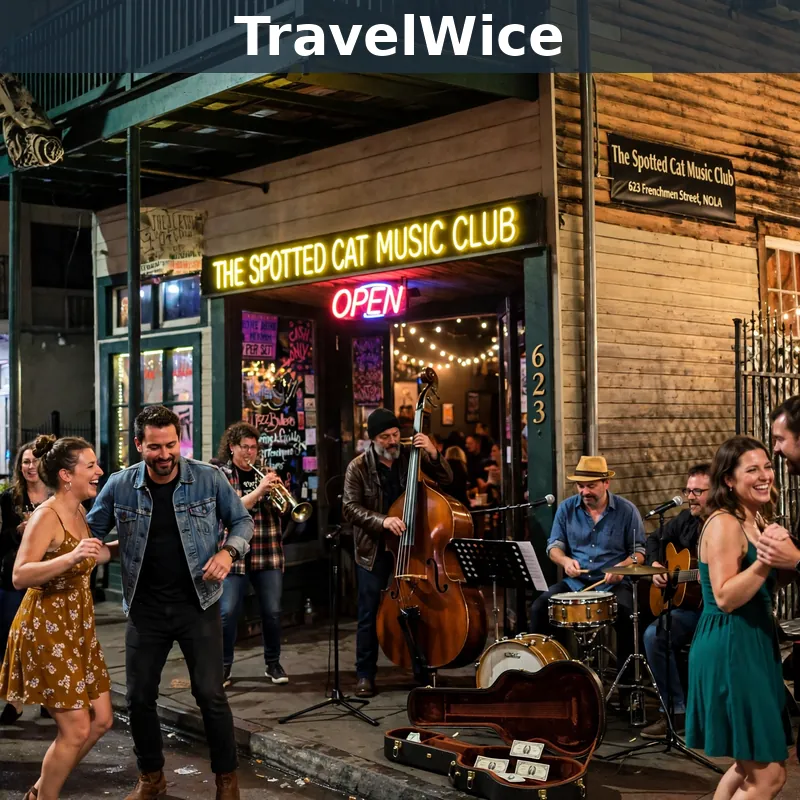
Everyone names the Spotted Cat first on Frenchmen Street. Meanwhile, the reason is simple: it is small, it is cheap, and the bands are good. There is no cover — you pay a one-drink minimum instead, which means you order a drink. You sit down, and the band plays a few feet away. I went on a Wednesday, ordered a beer, and watched a four-piece band play for two hours while the room filled and emptied and filled again. People danced in the space between the tables, which is about six feet wide, and nobody minded. The dancing was part of the show. I danced too, badly, in a space roughly the size of a doormat, and the woman next to me gave me a look that said she had seen worse, but not much worse.
The Spotted Cat is the place to start a Frenchmen Street night.
It asks nothing of you except that you listen and buy a drink. It gives you the sound of the street at its best.
d.b.a., Snug Harbor and Blue Nile: The Next Three Doors
Also, walk a few doors down. The street changes character. d.b.a. is bigger, louder, and more of a bar. The cover runs $10 to $20, the brass bands play here, and the room fills up fast on weekends. Snug Harbor is the serious listening room, the one with the best sound on the street. The cover runs $20 to $40, which is the most on Frenchmen but still less than a show ticket in most cities. I saw a jazz trio there on a Thursday. The room was quiet in the way Preservation Hall is quiet — people came to hear the music, and they did. Blue Nile is the one with the balcony, about a $10 cover. A mix of brass and funk that keeps the room moving late.
My pattern, after four nights, was this: Spotted Cat first, for the cheap start, then d.b.a. or Blue Nile for the louder second set. Snug Harbor when I wanted to sit down and really listen. That is three clubs, three moods, one street, and a night that costs less than a single dinner at a fine dining room.
Three Muses: The Free Dinner Show
In fact, three Muses is the exception on the street, and it is worth knowing about. A free dinner show, 7 to 9 PM, in a restaurant with a bar. Tables, where the band plays while you eat. No cover, no ticket, just dinner and music in the same room. I ate there on my second night, early, before the clubs got going. It was the most relaxed meal of the trip.
The band played, the food arrived, and the evening started without any planning at all. It is the right first stop if you are travelling with people who are not sure about jazz. The music is there but the pressure is not. The New Orleans food guide for 2026 covers where to eat before. After the clubs, and the pairing matters — a good dinner. A good set in the same evening is the shape of a perfect New Orleans night.
Brass Bands and Second Lines: The Sound of the Street
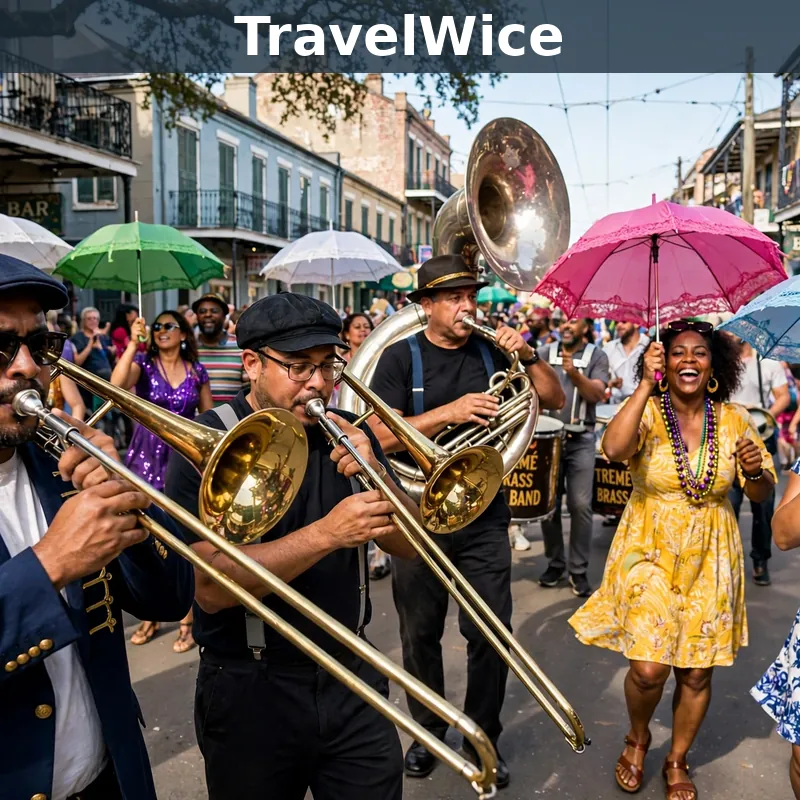
In addition, the brass band is the sound that makes New Orleans different from every other jazz city. A brass band is a trumpet, a trombone, a saxophone, a tuba, and a snare drum, played loud, on the street, while people dance behind it. The dance has a name — the second line — and it comes from the funeral parades, where the band leads.
The mourners and dancers follow in a second line behind. On a Sunday afternoon in the Tremé, the second lines are real parades, with the band, the dancers, the umbrellas, and the whole neighbourhood out on the street. I followed one for six blocks on a Sunday, and I have never been part of anything like it. Strangers dancing next to each other, the tuba shaking the windows. A little boy on his father’s shoulders waving a handkerchief at the band.
I waved my own handkerchief — a napkin from lunch, technically — and danced behind the band for six blocks, two steps behind the beat and twice as happy as anyone who was on it.
What It Costs, in Plain Numbers
The practical side: second lines happen most Sundays. The routes are posted locally, so ask at your hotel or check the New Orleans official tourism site for the week’s parade. In particular, they are free, they are public, and they are the best free music in the city. The Rebirth Brass Band is the name to know. Their Tuesday residency at the Maple Leaf Bar has run since 1990, which is longer than most bands last. It is the single best regular night in New Orleans music. The cover at the Maple Leaf is $20 at the door, and the room is small, so arrive early. I arrived at 9 p.m. for a 10 p.m. set and still got a spot near the front. By 10:30 the room was full and the door was turning people away.
The set itself was two hours of brass, funk, and call-and-response, and the floor was shaking by the end. If you only see one brass band in New Orleans, see Rebirth on a Tuesday.
On top of that, tipping matters here, and it matters on the street too. Tip street musicians $5 to $10 — that is the number that says you stopped and listened, not that you walked past. Tip jars at the clubs take $5 to $20, and the musicians notice. I watched a trumpet player on Royal Street count his case at the end of a set, and the difference between a good night. A bad night was about $40. The musicians are working. Pay them like it.
Tipitina’s: The Big Room Uptown
Meanwhile, Tipitina’s is the big room, the one the locals call Tip’s. It is where the city’s music goes when it needs space to stretch out. Also, it sits Uptown, a short ride from the Quarter. It books the acts that are too big for Frenchmen Street. Touring bands, reunion shows, the names that fill a room of hundreds instead of dozens. Tickets run $25 to $60, which is the widest range in this guide, because the price follows the act. I saw a funk band there on a Friday, paid $35, and stood in a crowd that knew every word of every song, which is the sign you are in the right room. I knew none of the words and sang along anyway, quietly, in the back, where my contribution could do the least damage.
The sound system is better than any club on Frenchmen, the floor is built for dancing.
Also, the bar is fast enough that you do not miss a song waiting for a drink.
Where to Stay for This Part
The move with Tipitina’s is to check the calendar before you plan your week. Also, the good nights sell out and the empty nights are empty for a reason. I checked the listings on my first day. Built my Friday around the one show I actually wanted, rather than wandering in and hoping. The New Orleans trip cost guide for 2026 has the ticket prices in the entertainment budget. It is worth a look before you commit, because a $60 ticket is a different evening from a $25 one. If you are staying in the Quarter, take a rideshare there and a streetcar back.
The streetcar costs $1.25 a ride and runs from Canal Street through the Garden District to Carrollton. Also, the ride home after a show, with the windows open. The oak trees going past, is a fine way to end a night.
Jazz Brunch: The Most Civilised Way to Hear a Band
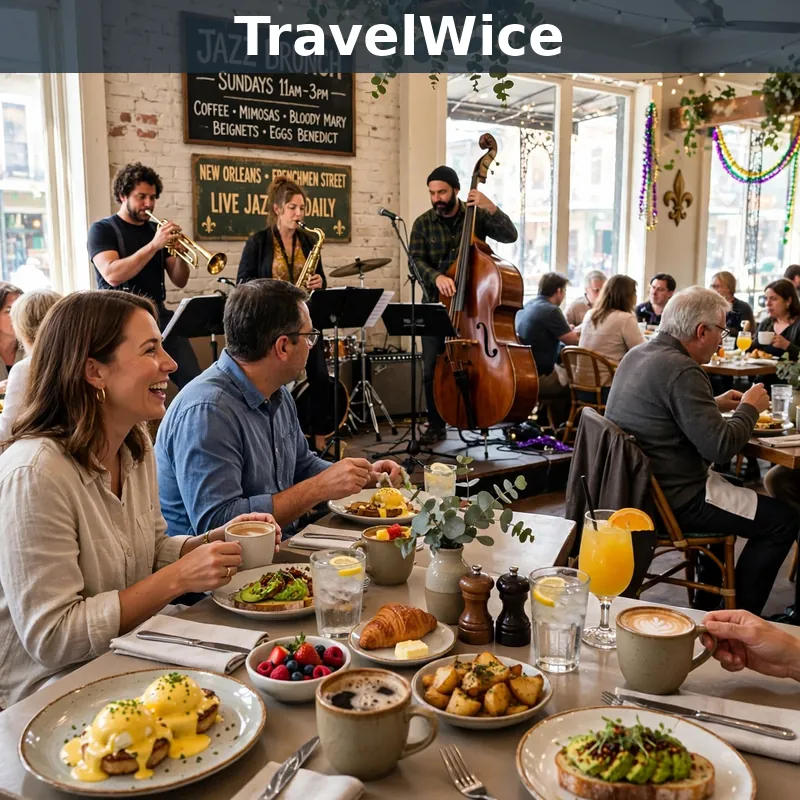
Also, the jazz brunch is the most civilised way to hear a band in New Orleans. Commander’s Palace does it best. The restaurant has been in the Garden District since 1893, the Brennan family runs it, and the brunch. A live jazz trio playing while you eat eggs and drink coffee on a Sunday morning — costs $50 to $100 a person, with 25-cent martinis at lunch, which is a sentence I did not believe until the bill arrived and it was true.
I went on a Sunday, dressed up a little, and sat for two hours while the trio played. The plates came and went. The band was good enough that people stopped eating to listen, which is the highest compliment a brunch band can get. I stopped eating too, which for me is the highest compliment of all, and then I went straight back to the eggs.
The eggs were also excellent.
The brunch works because it is slow. Nobody rushes you, the courses arrive when they arrive, and the music fills the gaps the way conversation usually does. If you are travelling with family, this is the jazz to book. The New Orleans family vacation guide for 2026 lists it among the best family mornings in the city. The kids can eat, the adults can listen, and nobody has to stay up past bedtime. Book ahead, especially on Sundays, and take the streetcar there. The Garden District New Orleans guide for 2026 covers the walk from the stop to the restaurant, which is half the pleasure, past the mansions and under the oaks.
Bourbon Street Music: Loud, Late, and Worth One Night
You will not find the best jazz in New Orleans on Bourbon Street, and I will not pretend otherwise. The 13-block strip is loud, crowded, and built for drinking first and listening second. The bands there play to people who are mostly passing through. But it is worth one night, because the street is part of the city’s music story. Because some of the bars — Lafitte’s Blacksmith Shop, one of the oldest bars in the United States. The rooms around Galatoire’s, founded in 1905 — have history in the walls. I went on a Thursday, before 7 p.m., when the street was still calm enough to walk, and I heard a good saxophone player in a bar with six people in it, playing like the room was full.
After 7, the street changes — the crowds arrive, the drinks get louder, and the music gets harder to hear.
The Hurricane is a sweet red drink that tastes like fruit juice and behaves like a decision you make twice. I had one. I behaved accordingly. Cocktails run $10 to $16, beer $5 to $8. A Hurricane at Pat O’Brien’s costs $12 to $15, which is a lot for a drink but a fair price for the courtyard and the flaming fountain.
Getting There Without the Hassle
My advice: do Bourbon Street early, for one drink and one set, and then walk to Frenchmen Street for the real night. The Bourbon Street New Orleans guide for 2026 has the full survival guide. Also, the hours, the prices, the bars worth your time — and it is worth reading before you go. The street rewards a plan and punishes a wander. Also, the best music I heard on Bourbon was not in the biggest bar. It was in the smallest one, at the quiet end of the street, where the band outnumbered the audience and played anyway.
Planning Your Night: My Three-Night Plan
Here is the plan I would give a friend, the one I wish someone had given me before my first night. Night one: Preservation Hall at 5:00 or 6:15, dinner in the Quarter, and then the Spotted Cat for a late set. Also, Night two: dinner early, Three Muses for the free 7 to 9 PM show if you want a gentle start, then d.b.a. and Blue Nile until you are tired. Night three: Tuesday, if you can manage it, for the Rebirth Brass Band at the Maple Leaf Bar, $20 at the door, arrive by 9 p.m. That is three nights, three different sounds. A total music spend of about $100 to $150, not counting drinks. My feet filed a formal complaint by the end of night two, so wear comfortable shoes.
The music will not let you sit down, and neither will the street.
If you only have one night, make it night one — Preservation Hall. The Spotted Cat in the same evening is the best single night of music in the city. It costs less than a show ticket anywhere else.
What to Eat While You Are There
A few habits saved me money and trouble. Book Preservation Hall online before you arrive, because the good sets sell out. Carry cash for covers and tips — some doors are cash only, and the tip jar is always cash. Check the National Weather Service forecasts before a night of street music. A second line in the rain is a different experience from a second line in the sun. And if you want to compare music nights across cities, our Texas trip cost guide for 2026. Our Colorado travel guide for 2026 cover the live music scenes in Austin and Denver, which are good in their own way but do not have a Frenchmen Street. For the full trip, the New Orleans travel guide for 2026 ties the music to the food, the walks.
The day trips — and the Mardi Gras New Orleans guide for 2027 is the one to read if your trip lands near Fat Tuesday, February 9, 2027, when the whole city turns into a parade.
New Orleans Jazz at a Glance
| Venue | Cover / ticket (2026) | Best night | My tip |
|---|---|---|---|
| Preservation Hall, 726 St. Peter St | $25–$65 | Any night, 5:00 or 6:15 set | Book online ahead; no bar, 45-minute sets |
| The Spotted Cat, Frenchmen St | No cover, one-drink minimum | Wednesday–Saturday | Start here; people dance between tables |
| d.b.a., Frenchmen St | $10–$20 | Weekends | Louder brass sets, fills fast |
| Snug Harbor, Frenchmen St | $20–$40 | Thursday | Best sound on the street; come to listen |
| Blue Nile, Frenchmen St | About $10 | Weekends | Balcony, brass and funk, late nights |
| Three Muses, Frenchmen St | Free, 7–9 PM dinner show | Any night | No cover; good first stop for jazz newcomers |
| Maple Leaf Bar (Rebirth, Tuesdays) | $20 at the door | Tuesday | Residency since 1990; arrive by 9 PM |
| Tipitina’s | $25–$60 | Friday–Saturday | Check the calendar first; biggest room |
| Commander’s Palace jazz brunch | $50–$100 | Sunday | 25-cent martinis at lunch; book ahead |
Prices are ranges because tickets change with the act — check before you go, especially for Tipitina’s and Snug Harbor.
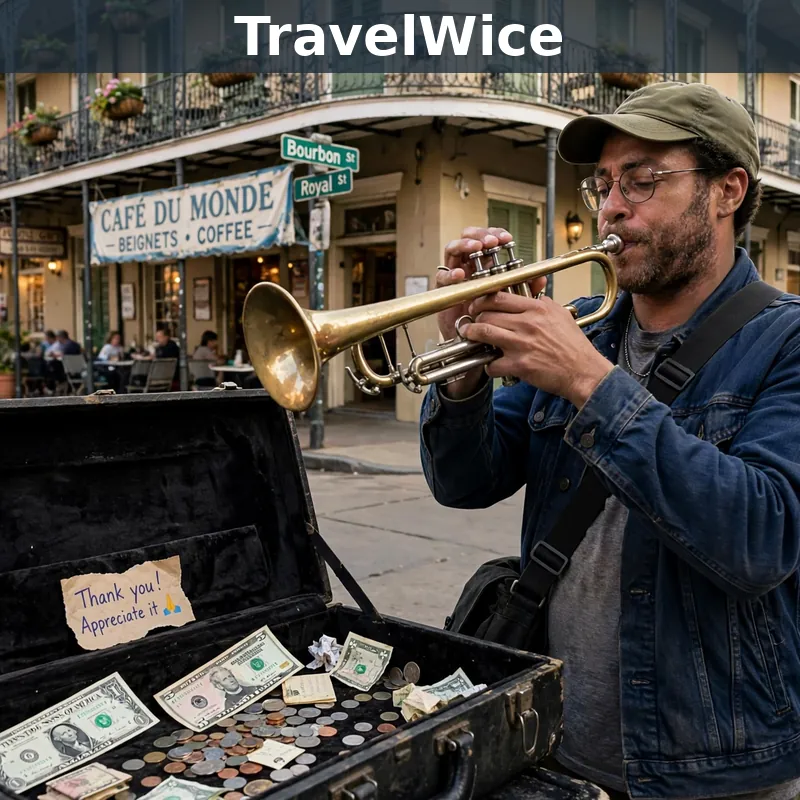
Chart: What a Night of Jazz Costs in New Orleans
This chart breaks down a typical music night of about $63, built from the prices in this guide, so you can see where the money goes.
| Item | Cost ($) | Share (%) |
|---|---|---|
| Preservation Hall ticket | 40 | 63 |
| Spotted Cat drinks (two) | 12 | 19 |
| Tips (street + tip jar) | 7 | 11 |
| Transport (streetcar + walk) | 4 | 6 |
The ticket is the story. At $40, Preservation Hall is almost two-thirds of the night’s music spend, and it is the cost that moves the most with your choices — a $25 seat against a $65 seat is a $40 swing, and the free clubs on Frenchmen Street cost nothing but a drink.
Drinks are the second cost, and they are the easiest to control: two beers at the Spotted Cat against a round of cocktails on Bourbon Street is the difference between a $12 night and a $40 one. Tips are small money with a big effect — $7 across a night keeps the musicians playing, and the street players remember the faces that pay. The practical takeaway: spend on one good ticket, drink cheap at the clubs, tip the street players, and a night of the best live music in America costs less than a dinner.
References
- New Orleans official tourism site — live music listings, second line schedules, and club guides.
- Preservation Hall official site — tickets, set times, and the hall’s history since 1961.
- National Weather Service forecasts — New Orleans weather before a night of street music.
New Orleans Jazz Quiz
Test what you picked up from this guide before you head out for a night of music.
1. Where is Preservation Hall, and how long is a set?
- A) 726 St. Peter Street; 45-minute sets
- B) Bourbon Street; 2-hour sets
- C) Frenchmen Street; 30-minute sets
2. Which Frenchmen Street club has no cover, only a one-drink minimum?
- A) Snug Harbor
- B) The Spotted Cat
- C) d.b.a.
3. When is the Rebirth Brass Band’s Tuesday residency at the Maple Leaf Bar, and what is the cover?
- A) Since 1990; $20 at the door
- B) From 2015; $5 at the door
- C) From 2000; free entry
4. How much should you tip a street musician in New Orleans?
- A) $5–$10
- B) $50
- C) Nothing — street music is free
5. What does the jazz brunch at Commander’s Palace cost, and what is the famous lunch tradition?
- A) $50–$100; 25-cent martinis at lunch
- B) $10–$15; free oysters
- C) $150–$200; no drinks allowed
Quiz Answers
- Preservation Hall has been there since 1961, with about 100 seats, no bar, and sets most nights at 5:00, 6:15, 7:30 and 8:45 PM, at 726 St. Peter Street (A).
- The Spotted Cat has no cover, just a one-drink minimum, and the bands play a few feet from the tables (B).
- The Rebirth Brass Band’s Tuesday residency at the Maple Leaf Bar is the single best regular night in New Orleans music; it has run since 1990 and costs $20 at the door, so arrive by 9 PM (A).
- Tip street musicians $5–$10, and tip jars at the clubs take $5–$20, because the musicians are working (A).
- Commander’s Palace in the Garden District has run the jazz brunch since 1893, with a live trio playing while you eat; expect $50–$100, and 25-cent martinis at lunch (A).