

New Orleans Swamp Tours Guide 2026: Airboats, Gators & Plantation Day Trips
The alligator looked at me the way a waiter looks at a table that has been sitting down for twenty minutes without ordering. Calm. Patient. Completely unimpressed. I was on a pontoon boat in Honey Island Swamp, about forty minutes from the French Quarter, holding my phone up like a tourist-shaped tripod. The alligator — a good eight feet of armoured indifference — was floating at the edge of the bayou with only its eyes.
Also, nostrils above the water, watching me watch it. In fact, our captain cut the engine, leaned back, and said, “That’s Big Al. He’s been here longer than all of us.” Big Al did not move. I took seventeen photos of what was essentially a pair of nostrils. I have never been happier with a pair of nostrils in my life. This New Orleans swamp tours guide 2026 is everything I learned on that boat.
On the plantation road afterwards — which tour to pick, what it costs, when the gators are actually out, what to do with your hair on an airboat. The plantation day trips worth pairing with a swamp ride.
The Short Version
TL;DR: Honey Island Swamp, 30 to 45 minutes from downtown, is the most pristine swamp near the city, and the Barataria Preserve is only 25 minutes away. Pontoon and covered boats run $35 to $60, large airboats $59 to $90, premium small airboats $90 to $180, and hotel pickup adds about $30 a person. Alligator season peaks March to October, though gators are possible year-round.
Airboats have a minimum age of 5 and are not for pregnant visitors or anyone with neck or back injuries. On River Road, about an hour from New Orleans, Oak Alley is $27 for the grounds and $30-plus with the Big House tour, Whitney Plantation is $25 self-guided or $32 guided and closed Tuesdays, and organised swamp-plus-plantation combos run about $125 to $160. Go in the morning, wear sunscreen, and accept that the airboat will destroy your hairstyle. It is worth it.
What a Swamp Tour Actually Is
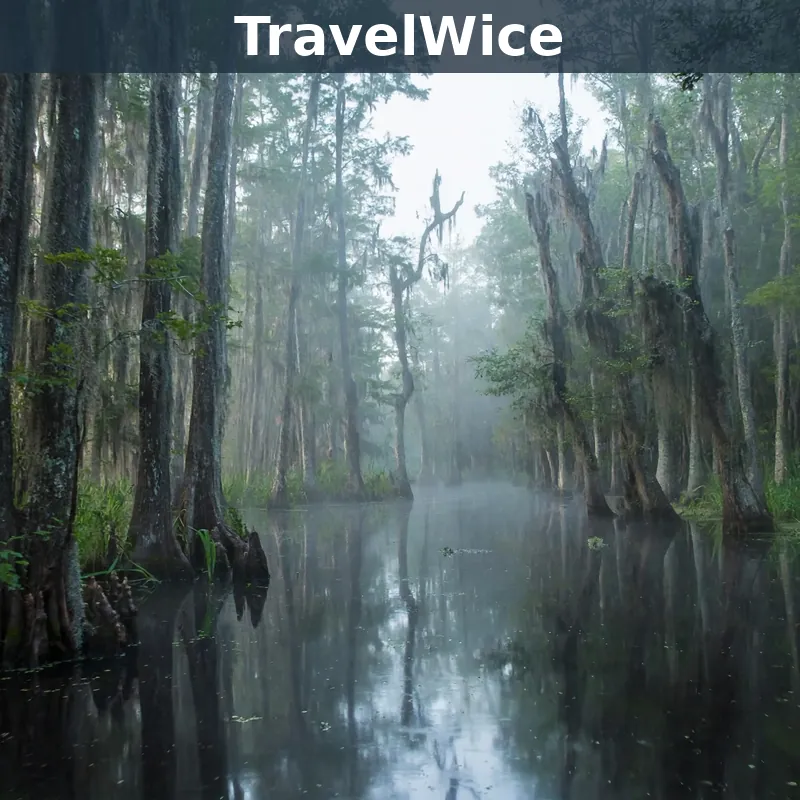
In addition, a swamp tour is a boat ride through the wetlands outside New Orleans. The first thing to know is that the swamp is not a theme park. In particular, there are no fences, no feeding shows, no animatronic gators. There is a boat, a captain who knows the waterways the way a taxi driver knows the streets. A landscape of cypress trees draped in Spanish moss, still black water, and wildlife that does not care that you paid for a ticket.
The captain will point out an egret, a turtle on a log, a heron standing perfectly still like it is waiting for a bus, and then, if you are lucky. It is the right season, an alligator doing absolutely nothing in the most dramatic way possible. The doing-nothing is the point. A wild alligator at rest is a small miracle of patience.
After an hour on the water you start to understand why.
Taking a Guided Tour
On top of that, the tours run from a few different places. Meanwhile, the two names you will hear most are Honey Island Swamp and the Barataria Preserve. Honey Island, near Slidell, is 30 to 45 minutes from downtown New Orleans and covers about 70,000 acres. It is the most pristine swamp near the city. The one the captains themselves recommend when you ask them where they would go on their day off. The Barataria Preserve, part of the Jean Lafitte National Historical Park and Preserve, is only about 25 minutes away. It has the advantage of being a National Park Service site, which means trails, a visitor centre. Rangers who will answer your questions with the patience of people who have answered them a thousand times. Manchac Swamp is another option, closer in, and the Atchafalaya Basin.
Nearly a million acres, America’s largest river swamp — is 90 to 120 minutes west, which makes it a long day rather than a casual morning trip. I did Honey Island first, and I would do it first again. The mist on the water at 9 AM. Also, the cypress knees poking up like knuckles, the silence between the captain’s stories — that is the swamp I still think about.
The Story Behind the Place
Boats on these tours fall into two families, and choosing between them is the first real decision of the day. Also, a pontoon or covered boat is slow, shaded, quiet, and stable. In fact, you sit, you listen, you take photos, and the captain talks you through the ecology of the swamp. The cypress trees, the Spanish moss, the way the water moves, the history of the people who lived and fished here.
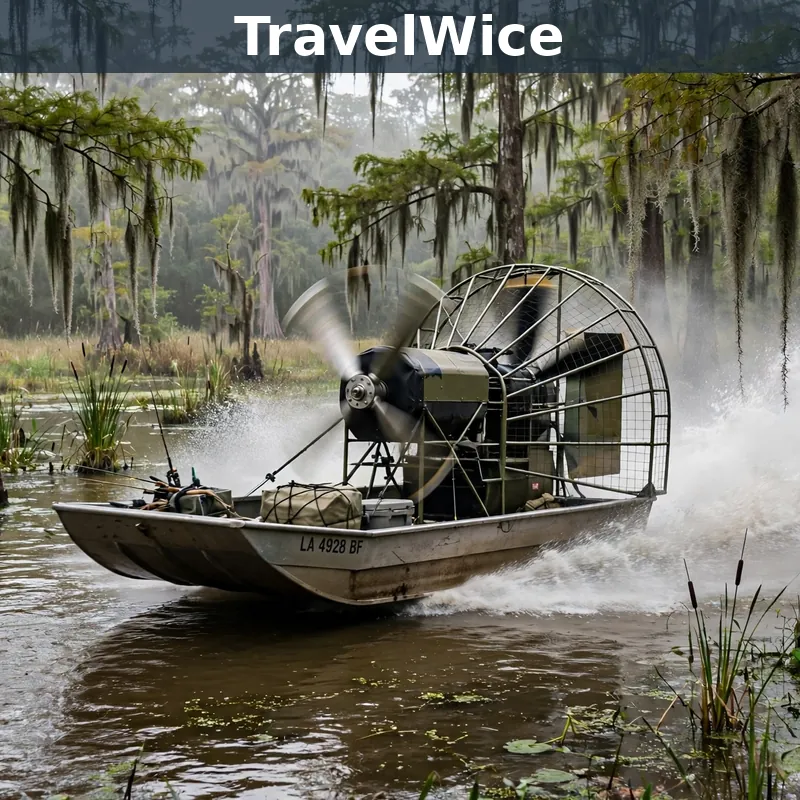
A large airboat is fast, loud, open, and thrilling. It skims across the water on a cushion of air. It turns on a dime, and it gets into shallow water a pontoon cannot reach. A premium small airboat is faster still. It holds fewer people, which means a closer ride and a better view. The pontoon is the tour. The airboat is the ride. I did both, on different days, and I am glad I did.
They are not the same experience with a different engine — they are two different ways of meeting the same place.
Honey Island Swamp: The One I Would Pick First
In addition, Honey Island Swamp sits near Slidell, on the far side of Lake Pontchartrain from the French Quarter. In particular, the drive there is part of the experience. You cross the causeway over the lake. Miles of bridge over open water, which is its own small adventure — and then the land flattens out into the green, wet world of the Pearl River basin. The swamp covers about 70,000 acres, and it is called the most pristine swamp in Louisiana because. Little of it has changed. No levees cutting through it, no development on its edges, just cypress and tupelo and water and wildlife, the way it has been for centuries. Our captain told us that the swamp is home to alligators, wild boar, deer, otters, turtles. More than 200 species of birds, and then he pointed at a great blue heron and said.
That one has been here longer than my boat,” which may or may not have been true, but it felt true.
Book the Morning Tour
On top of that, the morning tour is the one to book. The water is still, the mist is on the surface, the light comes through the cypress in long gold shafts. Meanwhile, the animals are out before the heat of the day sends them into the shade. My tour left at 9 AM. By 9:20 I had already seen three alligators, a turtle the size of a dinner plate. A snake I am still not sure was real — the captain said it was a water snake, harmless. I believed him because he said it while steering with one hand and pointing with the other, which is the body language of a man who is not worried about snakes.
What to Eat While You Are There
The pontoon ride lasted about two hours, and the captain talked the whole way: the history of the swamp, the logging era, the families who lived on houseboats, the way the cypress knees breathe. He was funny, too, in the dry way of people who spend their lives on the water. Every story had a punchline, and every punchline had a gator in it.
The practical side: Honey Island is 30 to 45 minutes from downtown, so a morning tour means leaving the Quarter by 8 AM. Also, the hotel pickup adds about $30 a person if you book it. I drove myself the second time and saved the pickup fee, but the first time I took the pickup. I was glad I did, because the driver knew the way. In fact, I did not have to think about the causeway.
Pontoon and covered boats run $35 to $60, and that is the price range to budget for. Bring water, because the sun on the water is stronger than you expect, and bring a hat that ties under your chin, because the hat that does not tie under your chin will be in the swamp within the first ten minutes. I know this because I watched it happen to the man in front of me.
He waved goodbye to his hat with real dignity.
The Barataria Preserve: The Easy, Close Option
In addition, if Honey Island is the deep cut, the Barataria Preserve is the easy win. In particular, it is about 25 minutes from downtown New Orleans, it is run by the National Park Service. It has something the other swamps do not: you can walk it as well as boat it. The preserve has boardwalk trails through the marsh and the swamp, a visitor centre with exhibits, and ranger-led programs. The whole thing is free to enter — you pay for the boat tour, not for the park. I went on a Tuesday morning when the Quarter was still asleep. I had a boardwalk almost to myself, which is a strange. Lovely thing: a cypress swamp, twenty-five minutes from Bourbon Street, with nobody in it but me and a heron.
The Boat Tours
At Barataria, the boat tours are the pontoon style — slow, shaded, narrated — and they are the best option if you have small children, older parents, or anyone who wants the swamp without the speed. Also, the captains here are naturalists as much as boat drivers. The tour is as much a lesson as a ride: the ecology of the marsh, the role of the Mississippi River, the wildlife that depends on the wetlands.
On top of that, the reason the wetlands are disappearing, which is the serious part of the day and worth hearing. The preserve is also the best place to see the swamp on foot, and the boardwalk trails are flat, easy. Shaded by the canopy — a ninety-minute walk that costs nothing and shows you the place at your own pace. Our New Orleans travel guide for 2026 covers the preserve as part of the wider city plan.
A Few Things Worth Knowing
The French Quarter New Orleans guide for 2026 is the place to start if you are building the trip around the Quarter and want a half-day out.
One honest note: Barataria is closer and easier, but it is not as wild as Honey Island. Meanwhile, the water is calmer, the trees are younger in places, and the alligator sightings are less certain. The gators are there, but the preserve is a managed landscape, and the animals have more room to hide. Also, if you only have one morning. You want the highest chance of seeing a gator up close, go to Honey Island. If you want a relaxed, beautiful, educational morning with a walk afterwards, go to Barataria. Both are worth it.
Airboat or Pontoon: The Honest Comparison
In fact, this is the question everyone asks. The answer is that it depends on what you want from the morning — and on who is coming with you. In addition, the pontoon is the slow boat. It seats twenty or thirty people, it has a roof. It moves at the pace of a conversation, and the captain talks the whole way. You will hear the history, the ecology, the jokes.
Also, you will take good photos, because the boat is stable and the light is soft under the canopy. You will see alligators, because the captain knows where they sun themselves. He will stop the boat and let you watch. The pontoon is the right boat for kids, for grandparents, for photographers, for anyone who wants to learn something, and for anyone who does not want to arrive at lunch looking like they have been in a wind tunnel.
What It Costs, in Plain Numbers
In particular, the airboat is the fast boat. On top of that, it has a giant fan on the back, it roars, it skims. It turns so sharply that the water sprays up behind you. It goes where the pontoon cannot — shallow water, tight channels, the back corners of the swamp. A large airboat holds fifteen or twenty people and runs $59 to $90.
A premium small airboat holds six to ten, runs $90 to $180, and feels like a private tour with a jet engine. The crew provides the airboat is loud — ear protection, and you will want it — and it is wet. It is windy, and your hair will look like a weather event by the end of it. My hair, after the small airboat, looked like a friendly ghost had electrocuted me. I have a photo of it. I will not be sharing it.
Bringing the Kids Along
Meanwhile, the rules matter here, so listen to the captain when he gives them. Airboats have a minimum age of 5, and they are not for pregnant visitors or anyone with neck or back injuries. Also, the ride is bumpy, and the turns are sharp. The captain is not exaggerating when he says to hold on. The Louisiana Tour Company sets a 48-inch minimum height on its boats.
Other operators have their own limits, so check before you go if you are bringing small children. If anyone in your group is under 5, pregnant, or has a bad back, take the pontoon. The pontoon has no age limit worth worrying about, no height limit, and no wind-tunnel hair. Our New Orleans family vacation guide for 2026 works through the family version of this decision. Our New Orleans trip cost guide for 2026 puts the swamp prices next to everything else in the trip.
You can see what the morning actually costs.
Alligators: What You Will Actually See
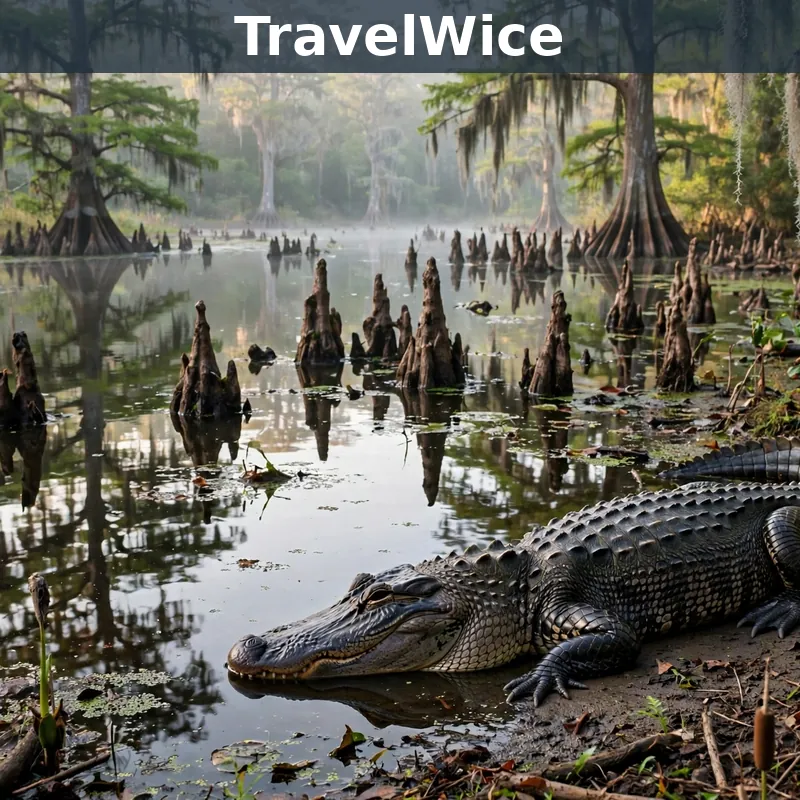
Let us talk about the alligators, because they are the reason most people book the tour. In fact, the internet has given them a reputation they do not deserve. In addition, an alligator is not a monster. It is a large, shy, cold-blooded reptile that would much rather stay alone. The ones you see on a swamp tour are doing what alligators do all day: lying in the sun, floating with their eyes above the water, and ignoring you with total commitment.
Alligator season peaks from March to October, when the weather is warm. The gators are active and out sunning themselves. They are possible year-round — I went in late autumn and still saw three. The sun was out and the water was warm enough. The captains know where the gators sun themselves. They will take you there, and the gator will look at you.
You will look at the gator, and neither of you will move, and that is the whole show. It is a good show.
Where to Stay for This Part
In particular, the size question comes up on every tour, and the answer is that the big ones are big. On top of that, a full-grown male alligator in Louisiana can reach 10 to 12 feet. The one our captain called Big Al was, by his estimate, about 8 feet, which is still longer than my car is wide. The captain will tell you not to dangle your hands over the side of the boat.
He means it — not because the gator is going to leap out of the water and eat you. Because a wild animal is a wild animal, and the boat is its living room, and you are the guest. Keep your hands in the boat. Keep your phone in your hand, not over the water. I watched a woman drop her phone into the bayou while leaning out for a photo.
The captain’s face said everything: the phone was gone, the gator was unbothered, and the swamp had claimed another one. Use a strap. Or take the photo and put the phone away.
Out on the Water
The captains will also tell you about the other animals. They are worth listening to, because the swamp is more than the gators. The egrets and herons, the turtles stacked on logs like commuters on a bench, the wild boar in the brush, the otters if you are very lucky, the nutria — a large, orange-toothed rodent that looks like a beaver that made poor life choices and is now thriving anyway. Meanwhile, the nutria was my favourite animal of the day, and I am not embarrassed about that. Also, the swamp is a whole world, and the gator is the headline. The supporting cast is what makes the tour feel like a real place and not a ride.
What to Bring, What to Wear, and the Hair Situation
The packing list for a swamp tour is short, and every item on it has a story behind it. Sunscreen, because the sun reflects off the water and burns you from below as well as above. I came home from my first tour with a sunburn on the underside of my chin, which is a sentence I never thought I would write. A hat that ties under your chin, because the untied hat is already in the swamp. Water, because the boat has no shop and the morning is long. Insect repellent, because the mosquitoes in a Louisiana swamp are not the mosquitoes you know from home. In fact, they are larger, faster, and, I am convinced, organised. Binoculars if you have them, because the birds are worth a closer look.
And a phone strap, because of the woman and the bayou and the phone, which I have already told you about. In addition, which I will not stop telling people about.
Timing It Right
In particular, what to wear: light layers, closed shoes, and nothing white. The boat is not dirty, exactly, but the swamp is muddy, the spray is real. The person next to you will step on your foot with a muddy shoe at least once. On top of that, closed shoes protect your toes and your dignity. A light rain jacket is worth bringing even on a sunny day. The weather in Louisiana changes the way a toddler changes its mind — quickly, loudly, and without warning. Check the National Weather Service forecasts the morning you go, and then pack the jacket anyway. The airboat, in particular, is wet: the spray comes up behind the boat. Over the sides, and the people in the back row get the most of it. Sit in the front if you want to stay dry.
Sit in the back if you want the full experience and do not mind arriving at lunch looking like a drowned rat who has seen things.
Meanwhile, and the hair. Also, let us be honest about the hair. An airboat at full speed is a wind tunnel with a view. Your hair will not survive it in any form you recognise. My hair, after the small airboat, stood up in directions I did not know hair could stand up in. The woman next to me had braided hers. She was the smartest person on the boat. Braid it, tie it back, wear a hat that ties, or accept the chaos. The pontoon, by contrast, is a gentle breeze and a roof. Your hair will arrive at lunch exactly as it left the hotel.
River Road: The Plantations, an Hour Upriver
In fact, after the swamp, the road upriver is the other half of this day trip. In addition, River Road runs along the Mississippi between New Orleans and Baton Rouge. The plantations sit along it like chapters in a history book that nobody has finished arguing about. Also, the drive from downtown New Orleans is about an hour. The road itself is worth the trip: the levee on one side, the sugar cane fields on the other, the river glinting through the trees. Organised tours with transport from New Orleans run from about $89. Swamp-plus-plantation combos run about $125 to $160, which is the easiest way to do both in one day if you do not want to drive.
The plantations are not a theme park either, and they should not be visited like one. In particular, these are sites where enslaved people lived, worked, suffered and died. Where the wealth of the big houses was built on their labour. The honest way to visit is to go to learn, to listen to the guides, to read the names on the memorials. To leave with a clearer understanding of what happened here than you arrived with. The guides at the best plantations do not soften the story. They tell it straight, and they are right to. I went to three plantations, and each one taught me something different. The one that changed me most was the one I almost skipped.
Oak Alley: The Photograph Everyone Has Seen
This is the plantation you have already seen, even if you have never been to Louisiana. The quarter-mile canopy of 28 live oaks, each more than 250 years old, arching over the path to the big house. It is one of the most photographed views in America, and the photograph does not lie. The trees are enormous, the shade is deep, and the walk up the alley feels like walking into a postcard. Admission is $27 for the grounds only, and $30-plus with the guided Big House tour. You should allow about two hours. The Oak Alley Plantation official site lists the current hours and the tour times. It is worth checking before you go, because the tour schedule changes with the season.
The Big House tour is guided, and the guides are good. They will walk you through the rooms, the furniture, the family that built the house, and the enslaved people whose labour built the wealth that paid for it. Oak Alley has worked in recent years to tell the fuller story. The slave cabins on the grounds, the exhibits, and the guides’ willingness to answer hard questions are part of that. I appreciated that. The house is beautiful, and the beauty is the problem, in a way. It is easy to stand under those oaks and think only about how lovely it all is. The guides are there to make sure you do not. Go for the trees, stay for the history, and listen to the whole tour. The restaurant on the grounds does a solid lunch.
What I Noticed on the Way
Also, the mint julep on the porch is a fine way to end the visit. The oaks are the reason you came, and they are worth every minute of the two hours.
Whitney Plantation: Go, Listen, and Leave Changed
Of all the stops on River Road, Whitney Plantation is the most important. I am writing this section without jokes, because there is nothing funny about it. Whitney is Louisiana’s only museum dedicated exclusively to the experiences of enslaved people. It is the only plantation in the state where the story of the enslaved is the whole story, not a sidebar to the story of the family that owned them. Admission is $25 for the self-guided audio tour and $32 for the guided tour. It stays closed on Tuesdays, and the last entry is at 3:00 PM, so plan the day around that. Whitney is not a stop you squeeze in at the end of an afternoon. Give it the morning, or give it the whole afternoon. It deserves your time.
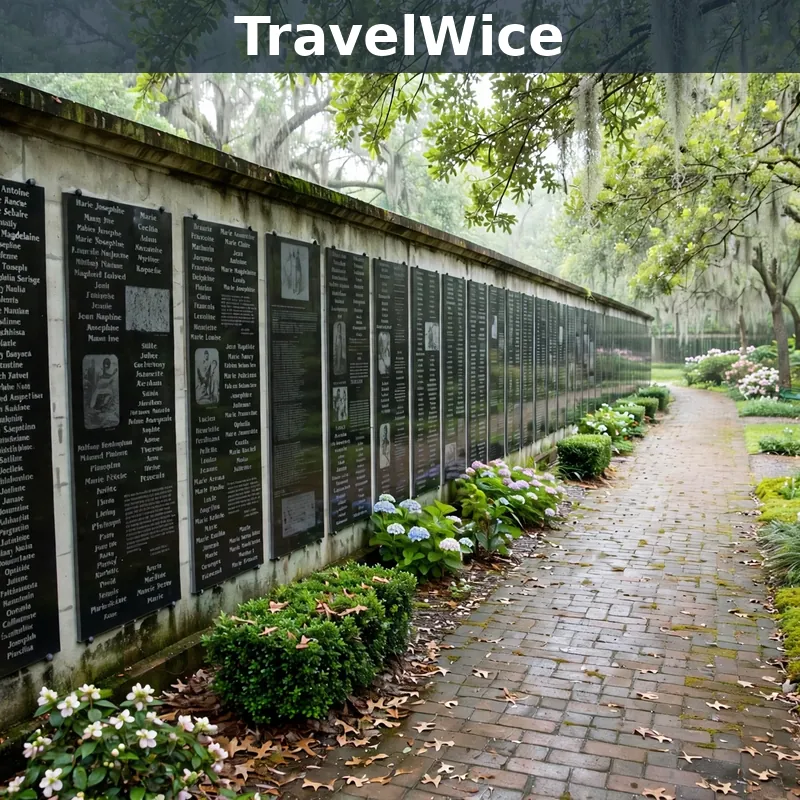
The experience is built around the voices of the enslaved. The audio tour uses first-person narratives drawn from the Federal Writers’ Project interviews with formerly enslaved people, recorded in the 1930s. Hearing those words in the voices of actors, standing in the place where the people lived, is something I have not stopped thinking about. The memorials are the heart of it: the Wall of Honor, with the names of the enslaved people who lived and worked at Whitney, and the memorial to the children who died — small, quiet, devastating.
The slave cabins are still standing. They are small, and dark, and close together, and standing inside one of them, knowing that a family lived in that space, is a physical experience, not an intellectual one. The big house is there too, but it is not the focus. Also, the focus is the people who were enslaved.
The Part I Almost Missed
Inside, the museum does not look away from what was done to them.
I went to Whitney on a quiet Thursday. The guide was a woman who had been doing this work for years. She spoke about the enslaved people of Whitney the way you speak about people you know — by name, with detail, with respect. Also, she told us about the children, about the families torn apart by sale, about the resistance and the resilience. She did not soften any of it.
When the tour ended, the group stood in the garden for a long time, not talking, just standing there. I have been to a lot of museums. I have never left one feeling the way I left Whitney. If you go to one plantation on River Road, go to Whitney. If you go to two, go to Whitney and Oak Alley, and let Whitney be the one you remember. The Whitney Plantation official site has the hours.
The ticket options, and the history, and it is worth reading before you go.

Laura Plantation: The Creole Story
My third stop was Laura Plantation, and it tells a different story from Oak Alley and Whitney. Laura is a Creole plantation, and the tour is guided only, lasts about 75 minutes, and costs about $30 to $32. The house is not the white-columned mansion of the postcards. It is a raised Creole cottage, painted in bright colours, with a wide gallery and a history that runs through four generations of the Locoul family and the enslaved people who worked the land. The guides here are storytellers, and the tour is built around the family’s own records. The letters, the ledgers, the stories passed down, and the history of the Creole culture that shaped this part of Louisiana.
What I liked about Laura was the specificity. The guide did not talk about “the Old South” in general terms — she talked about this family, this house, these people, these fields, and the sugar cane that paid for all of it. She talked about the enslaved people by name, and about the free people of colour who lived and worked in the area, and about the way Creole culture — French, Spanish, African, Native American — mixed together on this one piece of land. The Laura Plantation official site has the tour times and the booking information. It is worth booking ahead, because the tours are small and they fill up.
Houmas House and Destrehan: If You Have a Second Day
Two more plantations are worth knowing about if you have a second day. Houmas House, known as the Sugar Palace, is the grandest of the River Road houses, and the guided mansion. Gardens tour is $35, with a gardens-only ticket at $20. The gardens are the draw — acres of them, fountains, live oaks, and a scale that makes Oak Alley look modest. Houmas House is the plantation to visit if you want to see the wealth of the sugar era at its most extreme. The gardens alone are worth the $20.
Destrehan Plantation, built in 1787, is the oldest documented plantation in the Lower Mississippi Valley. It is only about 25 minutes from downtown New Orleans — the closest plantation to the city, and the easiest to fit into a half-day. Admission is $30. Destrehan was the site of the trials after the 1811 German Coast uprising, the largest slave rebellion in American history. The guides do not shy away from that. If you are short on time. Whitney stays closed on a Tuesday, Destrehan is the practical choice — close, thorough, and honest.
Planning the Perfect Swamp and Plantation Day
Here is the day I would plan, based on the two days I actually did. Leave the French Quarter by 8 AM for a 9 AM swamp tour at Honey Island. The pontoon if you want the calm, the airboat if you want the thrill. The small airboat if you want the best of both and do not mind the price. Two hours on the water, back at the dock by 11:30, and then drive the hour to River Road. Lunch on the way — a po’boy, $8 to $15, eaten in the car with the windows down, which is the correct way to eat a po’boy — and then Whitney Plantation in the afternoon. Whitney deserves the afternoon, when you are awake and the light is soft. You have time to stand in the garden and think.
The combo tours, at about $125 to $160, do this day for you: transport from New Orleans, the swamp tour, the plantation tour, and a driver who knows the roads. Also, the organised tour is the better choice if you do not want to drive. The self-drive is the better choice if you want to stop where you want and spend an extra hour at Whitney without a bus waiting for you. Either way, budget a full day — 8 AM to 6 PM — and do not plan a dinner reservation for 6:30. You will be tired, you will be sunburned, your hair will be a situation. You will want a shower, a quiet dinner, and an early night.
The Music After Dark
Our New Orleans food guide for 2026 covers the dinner end of the day — gumbo $15 to $25, jambalaya $15 to $25, étouffée $20 to $30 — and the Garden District New Orleans guide for 2026 covers the neighbourhood where I would eat that dinner, on Magazine Street, with my hair finally behaving itself. If you are building the wider trip, our Mardi Gras New Orleans guide for 2026 covers the February season. Our New Orleans jazz guide for 2026 covers the evening music. Our New Orleans trip cost guide for 2026 puts the whole trip together. For comparison with other city breaks, our California travel guide for 2026, our Texas travel guide for 2026. Our Las Vegas travel guide for 2026 show how the day-trip costs stack up.
One last piece of advice, and it is the one I give everyone: go in the morning. The swamp is better in the morning — the mist, the light, the animals, the cool air — and the plantations are better in the morning too, before the heat and the crowds. Also, the afternoon is for the drive home, the shower, and the dinner. The morning is for the swamp. And the swamp, at 9 AM, with the mist on the water. A heron standing in the shallows and Big Al floating ten feet from the boat, is the most peaceful place I have been in a year. I went for the alligators. I came back thinking about the quiet.
Swamp Tours and Plantations at a Glance
| Tour / site | Price ($) | Time from downtown | Best for |
|---|---|---|---|
| Pontoon / covered swamp boat | 35–60 | 25–45 min | Families, photos, learning |
| Large airboat | 59–90 | 25–45 min | Speed, thrill, shallow water |
| Premium small airboat | 90–180 | 25–45 min | Closest ride, fewest people |
| Hotel pickup (add-on) | ~30/person | — | No driving, easy morning |
| Oak Alley (grounds / with Big House) | 27 / 30+ | ~1 hour | The famous oak canopy |
| Whitney Plantation (self-guided / guided) | 25 / 32 | ~1 hour | The essential history |
| Laura Plantation (guided only) | 30–32 | ~1 hour | Creole heritage |
| Houmas House (gardens / mansion + gardens) | 20 / 35 | ~1 hour | Gardens and grandeur |
| Destrehan Plantation | 30 | ~25 min | Closest, oldest documented |
| Swamp + plantation combo tour | 125–160 | Full day | No driving, both in one day |
Alligator season peaks March to October, though gators are possible year-round. Airboats: minimum age 5, not for pregnant visitors or neck and back injuries.
Chart: Where the Money Goes on a Swamp and Plantation Day
This chart breaks down a full combo day for one person — a morning swamp tour and an afternoon at Whitney Plantation, with transport and food — so you can see what the day actually costs.
| Part of the day | Cost ($) | Share (%) |
|---|---|---|
| Swamp tour (large airboat) | 75 | 38 |
| Whitney Plantation (guided) | 32 | 16 |
| Transport (rental share / fuel) | 30 | 15 |
| Lunch (po’boy and a drink) | 15 | 8 |
| Dinner in the Garden District | 30 | 15 |
| Sunscreen, water, tips | 15 | 8 |
The swamp tour is the biggest single cost, at just over a third of the day, and the plantation is the best value — $32 for an experience that changed the way I think about American history is, frankly, a bargain. Also, the transport is the cost people forget: the drive to Honey Island and then to River Road is about 90 minutes of driving in total, and the fuel and the rental share add up. The food is the flexible part — a po’boy for lunch and a sit-down dinner in the Garden District, or a packed sandwich and a cheaper dinner, and the day drops by $20 without losing anything that matters. Also, the practical takeaway: budget about $200 for the full day, book the morning swamp tour and the afternoon plantation in advance, and bring the sunscreen.
The sunscreen is the cheapest item on the list and the one you will regret skipping the most.
References
- New Orleans & Company official tourism site — swamp tours, plantations and visitor information.
- Jean Lafitte National Historical Park and Preserve — the Barataria Preserve, trails and ranger programs.
- Oak Alley Plantation official site — hours, ticket prices and Big House tours.
- Whitney Plantation official site — hours, tickets and the history of the enslaved.
- Laura Plantation official site — Creole heritage tours and booking.
- National Weather Service forecasts — Louisiana weather before you travel.
New Orleans Swamp Tours Quiz
Test what you picked up from this guide before you book.
1. Which swamp is the most pristine near New Orleans, at 30 to 45 minutes from downtown?
- A) Atchafalaya Basin
- B) Honey Island Swamp
- C) Manchac Swamp
2. How much does a large airboat tour typically cost?
- A) $35 to $60
- B) $59 to $90
- C) $125 to $160
3. When does alligator season peak in Louisiana?
- A) November to February
- B) March to October
- C) Only in July
4. What is Whitney Plantation?
- A) A grand mansion tour focused on the owner’s family
- B) Louisiana’s only museum dedicated exclusively to the experiences of enslaved people
- C) A gardens-only attraction with no house tour
5. How much is admission to Oak Alley for the grounds only?
- A) $27
- B) $35
- C) $20
Quiz Answers
- Honey Island Swamp, near Slidell, covers about 70,000 acres and is the most pristine swamp near the city, 30 to 45 minutes from downtown (B).
- Large airboats run $59 to $90, pontoon and covered boats $35 to $60, and premium small airboats $90 to $180 (B).
- Alligator season peaks March to October, when the weather is warm and the gators are active, though they are possible year-round (B).
- Whitney tells the story of the enslaved, not the owners; it is Louisiana’s only museum dedicated exclusively to the experiences of enslaved people, closed Tuesdays, last entry 3:00 PM, and admission is $25 self-guided or $32 guided (B).
- Oak Alley grounds-only admission is $27, and $30-plus with the guided Big House tour; the 28 live oaks are over 250 years old (A).