

New Orleans Trip Cost Guide 2026: What a Trip Really Costs
Also, I went to New Orleans with a neat little budget in my head. In fact, I came home having spent more on food than I planned. Less on transport than I expected, which is the exact shape of this city. The hotel was the big number, the beignets were the small number that added up. The streetcar — $1.25 a ride — was the best value of the whole trip. This New Orleans trip cost guide 2026 adds up the real numbers I verified while writing this batch: hotels, food, tours, streetcars, shows. Day trips, with three honest daily budgets for a budget trip, a mid-range trip, and a family trip, each built from prices that were true in 2026, not from a brochure.
TL;DR: A budget trip runs about $150–$210 a day per person, a mid-range trip about $250–$350, and a family of four about $380–$480 a day in total, excluding flights. French Quarter hotels run roughly $200–$350 a night, and prices spike at Mardi Gras and festivals. Food runs $8–$25 a person for a casual meal and $40–$100 for a sit-down Creole dinner. The streetcar is $1.25 a ride with a 2-hour transfer. Walking tours cost $25–$30, swamp tours $35–$90, the WWII Museum $37, and Preservation Hall $25–$65. The airport (MSY) is about 30 minutes from the Quarter — check rideshare prices on the day, because I could not verify a fixed taxi or transfer fare. The free sights — Jackson Square, the French Market, the riverfront, the street musicians — cost nothing and are the best parts.
The Big Picture: Three Budgets, One City
In addition, New Orleans is three different trips at three different prices. In particular, the trip you get depends on the budget you set before you arrive. A budget traveller sleeps outside the Quarter or in a simpler hotel, eats po’boys. Beignets, rides the streetcar, walks the Quarter, listens to free music on Royal Street, and spends about $150 to $210 a day. A mid-range traveller sleeps in the Quarter, eats one good Creole dinner a day, sees Preservation Hall, takes a swamp tour, and spends about $250 to $350 a day. A family of four sleeps in one room, eats early, does the zoo and the aquarium on a combo ticket, and spends about $380 to $480 a day in total. All three travellers walk the same Quarter, eat the same beignets, and hear the same trumpets.
The difference is the room, the restaurant, and the seat — and whether you know the real price before you pay it.
What It Costs, in Plain Numbers
The numbers in this guide are per person per day unless I say family. They exclude flights, because fares move daily and a fare I quote today will be wrong next month. On top of that, hotel rates move with events and season too — Mardi Gras, Jazz Fest. Meanwhile, New Year’s Eve push French Quarter rooms far above the $200–$350 range, and summer pushes them down. Treat the daily budgets as planning numbers, not promises.
The single most useful habit in this guide: price the total at checkout, never the headline rate, and check the dates against the big events before you book. Our main New Orleans travel guide for 2026 covers the seasons and the neighbourhoods in full. It is the best place to start before you pick your dates. If you want to compare cities, our Texas trip cost guide for 2026 shows how a Texas city break stacks up.
Our California travel guide for 2026 covers a West Coast trip at a similar budget.
Hotels: The Biggest Cost, and Where It Moves Most
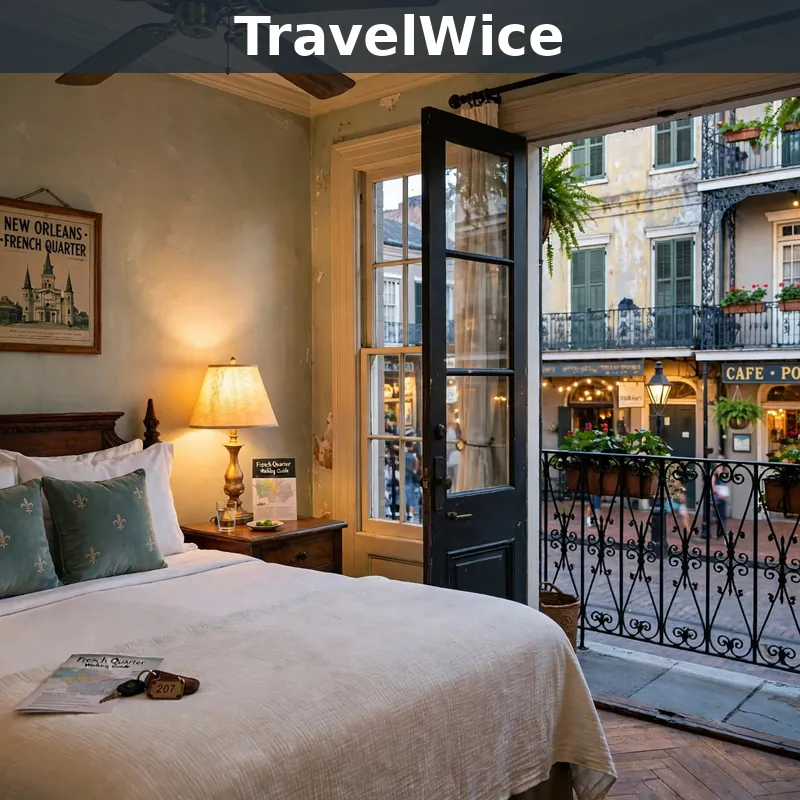
Also, the hotel is the biggest cost of a New Orleans trip. In fact, it is the cost that moves the most with your choices. French Quarter hotels run roughly $200–$350 a night, and that range is the honest one for 2026. A simple room in a quiet month sits near the bottom, a balcony room on a festival weekend sits far above the top. Garden District and Warehouse District hotels often run lower for the same quality. They are quieter at night, which matters if you are a light sleeper. A hotel with a pool costs more than a hotel without one. A hotel with free breakfast for a family of four saves $40–$60 a day against buying breakfast out, so compare the total, not the room rate.
What That Means in Real Money
In addition, here is what that means in real money for a three-night stay. In particular, a Quarter hotel at $250 a night comes to $750 for three nights, before tax. A Garden District hotel at $180 a night comes to $540. A simpler stay at $150 a night comes to $450. The gap between the cheapest and the most expensive three-night stay in this guide is $300. It is the same city, the same Quarter, the same beignets.
Book early for Mardi Gras — hotels sell out four to six months ahead, and prices spike hard. Fat Tuesday 2027 is February 9, 2027, and the parade week runs from January 6, when the season opens, through February 9, with Endymion on Saturday February 6, Bacchus on Sunday February 7, and Orpheus on Monday February 8. If you are travelling for Mardi Gras, book the hotel first. The flights second, because the room is the part that disappears.
Where to Stay for This Part
If you are travelling outside festival season, a Tuesday-to-Thursday stay is usually cheaper than a Friday-to-Sunday stay. A summer stay is usually cheaper than a spring stay, though the heat is the price you pay for it. Check the National Weather Service forecasts before you pack. A July week in New Orleans is a different trip from a December week.
Getting There: Flights and the Airport
Louis Armstrong New Orleans International Airport, MSY, sits about 30 minutes from the French Quarter by road, and that drive time is the one airport number I can give you with confidence. On top of that, I could not verify a fixed taxi or airport transfer fare for this guide. I am not going to invent one — check the rideshare price on the day you land, compare it with the taxi queue at the airport, and pick the cheaper one. That is the honest answer, and it is better than a made-up number that is wrong when you arrive. Flights to New Orleans are cheapest when you book six to eight weeks ahead and fly Tuesday to Thursday. Meanwhile, the fare is often the biggest single cost of the trip from the East or West Coast.
From nearby cities the flight is short and cheap, and the hotel becomes the biggest cost instead.
My rule for the airport is simple: travel light, land early in the day, and do not plan a tight schedule for the first afternoon. A morning flight that lands at noon gives you a Quarter afternoon; an evening flight that lands at 9 p.m. gives you a taxi, a check-in, and a late dinner, and nothing else. If you are travelling with kids, land early — the first day is always the hardest. Also, a tired child in a new city at 10 p.m. is a bad start. In fact, our French Quarter New Orleans guide for 2026 covers the arrival walk from the Quarter hotels to Jackson Square. You can see how close everything is once you are in.
Food: $25 a Day or $100 a Day, Your Choice
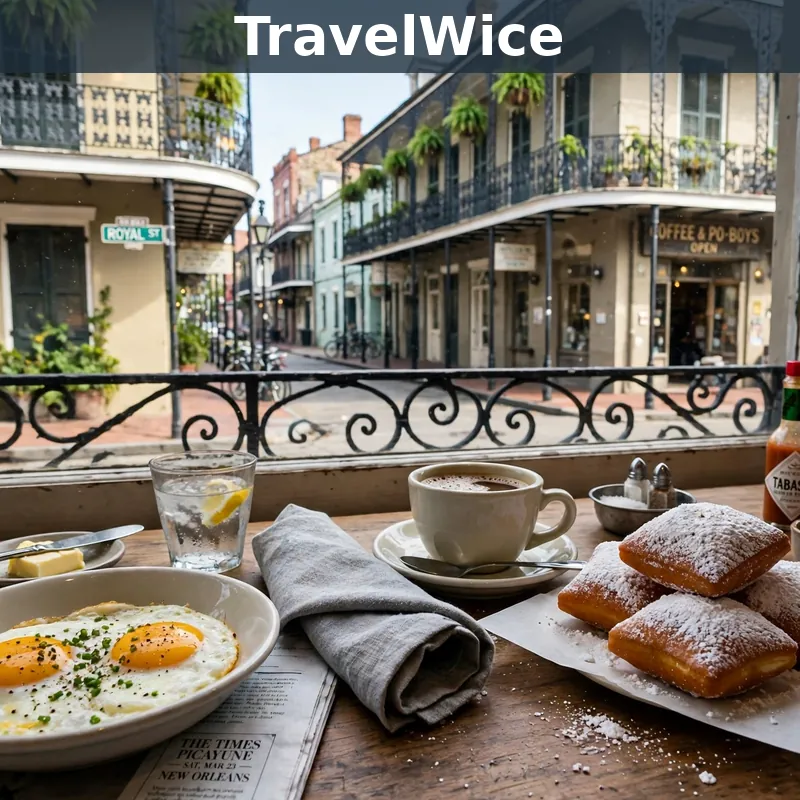
In addition, food is the easiest cost to control in New Orleans, and the range is wide. In particular, a casual meal runs $8–$25 a person. A sit-down Creole dinner runs $40–$100 a person, so the difference between a cheap day. Also, a splurge day is the dinner, not the lunch. A budget food day costs about $25–$35: beignets.
Coffee for breakfast at about $4.50–$6 for three beignets and $3.60–$4 for a café au lait at Café du Monde official site, a po’boy for lunch at $8–$15, and gumbo or jambalaya for dinner at $15–$25. A mid-range food day costs about $60–$80: a café breakfast, a po’boy or muffuletta lunch. Also, a sit-down dinner with a drink. A splurge day costs $100 or more: a jazz brunch at Commander’s Palace at $50–$100 a person, a dinner at Galatoire’s or Antoine’s, and a Hurricane at Pat O’Brien’s at $12–$15.
The Plates Behind the Numbers
Here are the specific plates behind those numbers, all checked in 2026: gumbo $15–$25, jambalaya $15–$25, po’boys $8–$15, étouffée $20–$30, a crawfish boil $25–$40 in the March–May season, and a muffuletta $15–$25 from Central Grocery, open since 1906. On top of that, cocktails on Bourbon Street run $10–$16, beer $5–$8, and hurricanes $12–$15. Meanwhile, a week of budget eating saves hundreds against a week of splurge eating.
The po’boy tastes better than the tasting menu anyway, at least to me. Eat lunch instead of dinner at the expensive restaurants, eat early — 5:30 or 6 p.m. — before the dining rooms fill, and drink water all day. The heat sneaks up on you. Our New Orleans food guide for 2026 has the full food picture, with every price, every hour, and the difference between Creole city cooking and Cajun country cooking.
Getting Around: The Streetcar and Your Feet
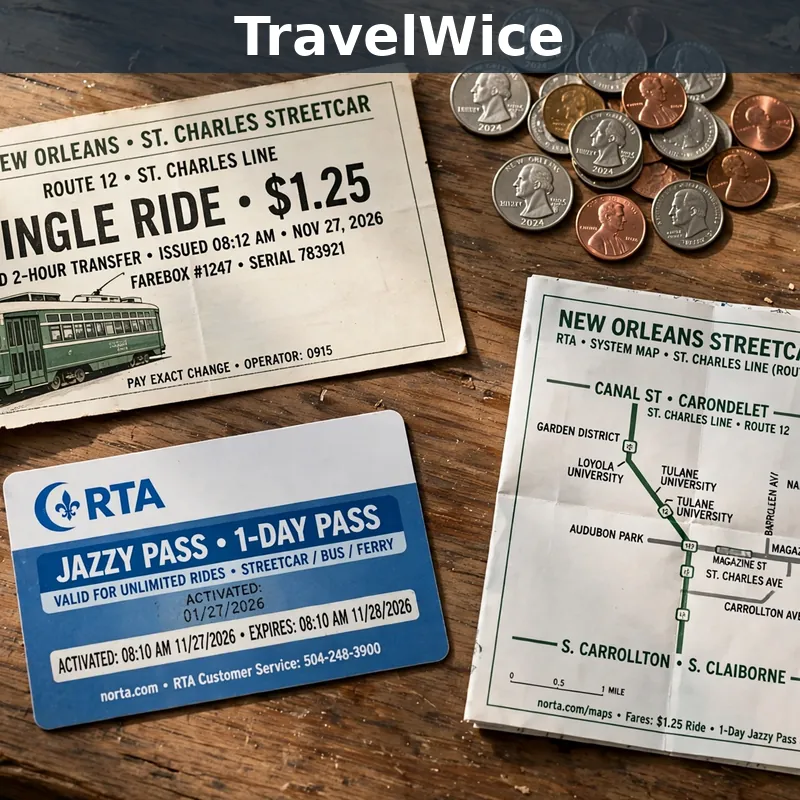
Transport in New Orleans is cheap, because the Quarter is walkable and the streetcar is $1.25. Also, the St. Charles line runs from Canal Street through the Garden District to Carrollton. In fact, the fare includes a 2-hour transfer, so one ticket covers a ride out. A ride back if you are quick. A family of four can ride the streetcar for $5, which is less than a single coffee in most cities.
The French Quarter itself is a 13-by-6-block grid, flat. Easy to walk, and Jackson Square, the French Market, Royal Street. The riverfront are all within a fifteen-minute walk of each other. My transport budget for a four-day trip: a few streetcar rides a day at $1.25 each, plus the airport trip at either end, plus one or two rideshares when it rains or when your feet give up. That comes to about $30–$50 for the trip, not counting the airport.
Getting There Without the Hassle
In addition, a rental car is the cost to skip. Parking in the Quarter is expensive and scarce, the streets are narrow, and you will walk more than you drive. A car only pays for itself if you are driving to the plantations on River Road or to the Atchafalaya Basin. In particular, even then a tour with transport is often cheaper and easier. If you do rent a car for a day trip, price the parking at the hotel before you book the car. The cheapest transport in New Orleans is your feet. The most expensive is a rideshare at 2 a.m. after a show, when the surge is at its worst. Walk in the morning, ride the streetcar in the afternoon, and take a rideshare only when you need it.
Attractions and Tours: What the Big Days Cost
On top of that, the big attractions in New Orleans are priced like a city break, not a theme park. Meanwhile, the combo tickets are where the savings hide. Audubon Zoo costs $30–$40 for adults and $25–$35 for children. Seniors, with under 2 free, open 10 AM–5 PM with the last ticket at 4 PM, and closed Tuesday and Wednesday in winter. The Audubon Aquarium and Insectarium costs $45–$55 for adults and $40–$50 for children and seniors, one ticket covering both. The Audubon Combo — zoo, aquarium, and insectarium together — costs $60 for adults and $55 for children and seniors. On our numbers that saves about $15–$35 a person against buying the two tickets separately. The Audubon Nature Institute official site lists the hours and the prices. It is worth a look the night before you go.
The National WWII Museum
Admission to the National WWII Museum costs $37 for adults, $34 for seniors 65 and over, $27 for students and military, and free for under 5. Also, it is worth a full morning for anyone over ten. In fact, a guided walking tour of the Quarter costs $25–$30 a person, and a horse-drawn carriage tour costs $20–$25. The Steamboat Natchez runs a 75-minute sightseeing cruise for $25.75 for adults and $12.75 for children 6–12. City Park is free to enter, Storyland is $8.50 for kids 36 inches and over.
The Botanical Garden is $17 for Louisiana residents and $27 for non-residents. St. Louis Cathedral is free to enter, open roughly 9:30 AM–4 PM outside mass. Jackson Square is a free 2.5-acre park. Add it up for a three-day trip: one zoo day, one museum morning, one walking tour, and one river cruise come to about $120–$150 a person in attractions. The free sights — the square, the market, the riverfront, the street music — cost nothing on top of that.
Music and Shows: Preservation Hall to Frenchmen Street
After the attractions, music is the second biggest entertainment cost, and the price range is wide. In addition, Preservation Hall at 726 St. Peter Street has run since 1961. In particular, the 45-minute sets cost about $25–$65 — book online ahead on the Preservation Hall official site. The room holds only about 100 seats, there is no bar, and the sets at 5:00, 6:15, 7:30, and 8:45 p.m. sell out. Frenchmen Street in the Marigny, three blocks and about a seven-minute walk from the Quarter, is where the locals go.
The Spotted Cat has no cover and a one-drink minimum, d.b.a. charges $10–$20 cover, Snug Harbor $20–$40, Blue Nile about $10. Three Muses is free with a dinner show from 7–9 p.m. Maple Leaf Bar uptown charges $20 at the door for the Rebirth Brass Band Tuesday residency, which has run since 1990. Tipitina’s runs $25–$60. Tip street musicians $5–$10, and tip jars $5–$20.
My rule: spend the big money once, on Preservation Hall, and spend the small money twice, on Frenchmen Street. You will hear more of New Orleans that way, and you will spend less than two big-ticket nights would cost. A couple seeing Preservation Hall at $45 each and two Frenchmen Street nights at $10–$20 each spends about $110–$130 on music for the trip. On top of that, a family that sticks to the free street music on Royal Street. Meanwhile, the 5 p.m. Preservation Hall set spends about $50–$65 for the same week. Our New Orleans jazz guide for 2026 has the clubs, the covers, and the set times. It is the guide I would read before I booked a single ticket.
Day Trips: Swamp Tours and Plantations
Also, the day trips are the best value in a New Orleans trip. In fact, they are the part that feels like a real holiday away from the city. A swamp tour is the cheapest day trip: pontoon and covered boats cost $35–$60 a person, large airboats $59–$90. Premium small airboats $90–$180, with hotel pickup adding about $30 a person. Honey Island Swamp, near Slidell and 30–45 minutes from downtown, covers 70,000 acres and is the most unspoiled swamp near the city.
Alligator season peaks from March to October, though you can see gators year-round. Airboats have a minimum age of 5, they are not for pregnant visitors or anyone with neck or back injuries. Louisiana Tour Company sets a 48-inch minimum height, so check the rules before you book with kids. The Jean Lafitte National Historical Park Barataria Preserve is 25 minutes away and is a gentler, cheaper swamp walk if a boat feels like too much.
Taking a Guided Tour
Plantations on River Road, about an hour from New Orleans, are the second day trip. In addition, oak Alley costs $27 for the grounds only and $30 or more with the guided Big House tour. In particular, the quarter-mile avenue of 28 live oaks over 250 years old is worth the drive alone — allow two hours. Whitney Plantation costs $25 for a self-guided audio tour and $32 guided, stays closed on Tuesdays, and takes its last entry at 3 p.m. Laura Plantation runs about $30–$32, guided tours only, about 75 minutes.
Houmas House costs $35 for a guided mansion and gardens tour and $20 for the gardens only. Destrehan, from 1787 and the oldest documented plantation in the Lower Mississippi Valley, costs $30 and sits 25 minutes from downtown. Organised tours with transport from New Orleans run from about $89, and swamp-plus-plantation combos run from about $125–$160. For most travellers, one swamp tour at $35–$60.
One plantation at $30 is the right call — a full day out for about $65–$90 a person, plus lunch. Our New Orleans swamp tours guide for 2026 covers the boats, the gators, and the plantation pairings in full.
Three Real Budgets: Budget, Mid-Range and Family
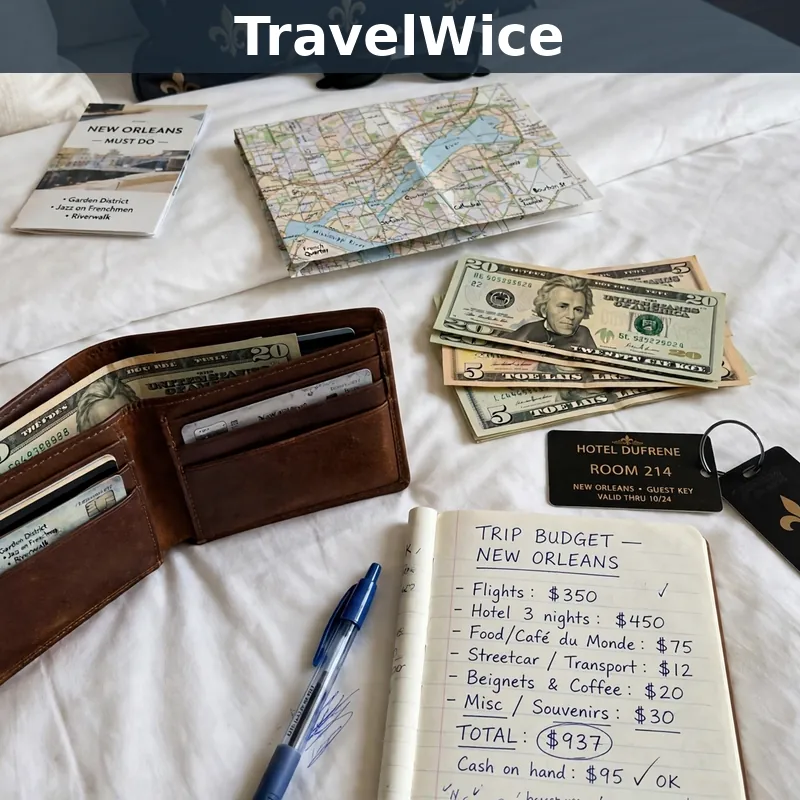
Here are the three budgets, per person per day unless I say family, excluding flights, built from the prices in this guide. On top of that, the budget trip runs about $150 to $210 a day. A simpler hotel or a stay outside the Quarter at $120–$180 a night, food at $25–$35 a day, the streetcar at $1.25 a ride. The free sights — Jackson Square, the French Market, the riverfront, the street music — with one paid attraction every other day.
Meanwhile, a three-night budget trip comes to about $450 to $630 per person, plus flights. The mid-range trip runs about $250 to $350 a day: a Quarter hotel at $200–$300 a night, food at $60–$80 a day, one show at $25–$65, the streetcar. A few rideshares, and one paid attraction a day. A three-night mid-range trip comes to about $750 to $1,050 per person, plus flights.
The family trip runs about $380 to $480 a day in total for two adults and two children: a Quarter hotel room at $200–$300 a night, food at $90–$120 a day for four, attractions on the Audubon Combo at $60 for adults and $55 for children, and the streetcar at $5 for the family. A three-night family trip comes to about $1,140 to $1,440 in total, plus flights. Our New Orleans family vacation guide for 2026 works through the family of four budget in full, with the attraction costs. The hotel rooms that fit four people.
How to Save Money Without Missing Anything
Also, the savings in New Orleans are not about skipping things; they are about timing them. In fact, visit in winter, when the hotel rates are lower. The air is cooler, or in summer, when the rates drop and the heat is the price you pay. Stay in the Garden District or the Warehouse District, where the room is cheaper and the streetcar runs right past.
Eat lunch instead of dinner at the expensive restaurants, eat a po’boy instead of a tasting menu, and eat beignets for breakfast instead of a hotel buffet. See Preservation Hall once at $25–$65 and spend the other nights on Frenchmen Street, where the cover is $0–$20. Use the streetcar at $1.25 instead of rideshares. Watch the free sights — Jackson Square, the French Market, the riverfront. The street musicians on Royal Street — which are free and are the best parts of the trip.
The Audubon Combo and Other Savings
Book the Audubon Combo if you plan to do the zoo and the aquarium, because it saves $15–$35 a person. Book the hotel direct, compare the total at checkout, and check the dates against Mardi Gras and Jazz Fest. A festival weekend can double the room rate overnight. And set a food budget in cash before you start. The city is built to feed you happily and often. The only defence is a plan written down before you arrive. I came home from my first trip having spent more on food than I planned. I came home from my second trip having spent what I planned, because the second time I had a budget. The budget let me say yes to the things that mattered and no to the things that did not.
A Few Things Worth Knowing
The New Orleans official tourism site lists the free events and the festival dates, so check it before you book.
New Orleans Trip Cost at a Glance
| Category | Budget ($/day) | Mid-range ($/day) | Family of 4 ($/day) |
|---|---|---|---|
| Hotel | 120–180 | 200–300 | 200–300 |
| Food | 25–35 | 60–80 | 90–120 |
| Transport | 3–8 | 8–15 | 5–10 |
| Attractions & tours | 0–30 | 30–60 | 40–60 |
| Music & shows | 0–10 | 25–50 | 10–25 |
| Total per day | 150–210 | 250–350 | 380–480 |
In addition, totals exclude flights. In particular, budget and mid-range are per person; family is the total for two adults and two children. A three-night trip runs about $450–$630 budget, $750–$1,050 mid-range, and $1,140–$1,440 for a family of four, plus flights.

Chart: Where the Money Goes on a Mid-Range Day
On top of that, this chart breaks down a mid-range day of about $410, so you can see which cost dominates.
| Category | Cost ($) | Share (%) |
|---|---|---|
| Hotel | 250 | 61 |
| Food | 70 | 17 |
| Attractions & tours | 45 | 11 |
| Music & shows | 35 | 9 |
| Transport | 10 | 2 |
The hotel is the story. At $250 a night, the room is the biggest single cost by far, and it is the cost that moves the most with your choices — a Garden District hotel instead of a Quarter hotel saves $50–$100 a night, and a stay outside festival weekends saves more. Food is the second biggest cost, and it is the easiest to control: a $30 budget food day against a $100 splurge day is a $70 swing.
Attractions and music are third and fourth, and the free sights are the way to keep those numbers down. Transport is almost nothing, because the streetcar is $1.25 and the Quarter is walkable. The practical takeaway: pick the hotel by the total, eat cheap at lunch, spend once on a show, buy the combo for the zoo and aquarium, and the trip costs what you planned, not what the city planned for you.
References
- New Orleans official tourism site — hotels, events, festivals, and trip planning.
- Audubon Nature Institute official site — Audubon Zoo, Aquarium, Insectarium, hours and ticket prices.
- National WWII Museum official site — museum tickets, hours, and visits.
- Preservation Hall official site — Preservation Hall tickets, set times, and booking.
- Café du Monde official site — beignets, café au lait, and opening hours.
- National Weather Service forecasts — New Orleans weather and heat warnings before you travel.
New Orleans Trip Cost Quiz
Test what you picked up from this guide before you budget.
1. How much do French Quarter hotels run per night in 2026, according to this guide?
- A) $50–$80
- B) $200–$350
- C) $500–$700
2. How much is a St. Charles streetcar ride, and what does the fare include?
- A) $1.25, with a 2-hour transfer
- B) $5, with no transfer
- C) $8, with a day pass
Question 3: How much does a budget food day cost in New Orleans, using the cheap eats in this guide?
- A) About $25–$35
- B) $100 or so
- C) Around $200
4. How far is the airport (MSY) from the French Quarter, and what should you do about the transfer fare?
- A) About 30 minutes away; check rideshare prices on the day
- B) 5 minutes away; the fare is fixed at $10
- C) 2 hours away; book a taxi in advance
5. How much is the Audubon Combo for an adult, and what does it cover?
- A) $30, zoo only
- B) $60, zoo, aquarium and insectarium
- C) $100, aquarium only
Quiz Answers
- French Quarter hotels run roughly $200–$350 a night in 2026, with prices spiking at Mardi Gras and festivals (B).
- The streetcar costs $1.25 a ride, and the fare includes a 2-hour transfer (A).
- A budget food day runs about $25–$35: beignets and coffee, a po’boy lunch, and gumbo or jambalaya for dinner (A).
- MSY is about 30 minutes from the Quarter, and no fixed taxi or transfer fare was verified, so check rideshare prices on the day (A).
- The Audubon Combo costs $60 for adults and $55 for children and seniors, covering the zoo, the aquarium, and the insectarium (B).